
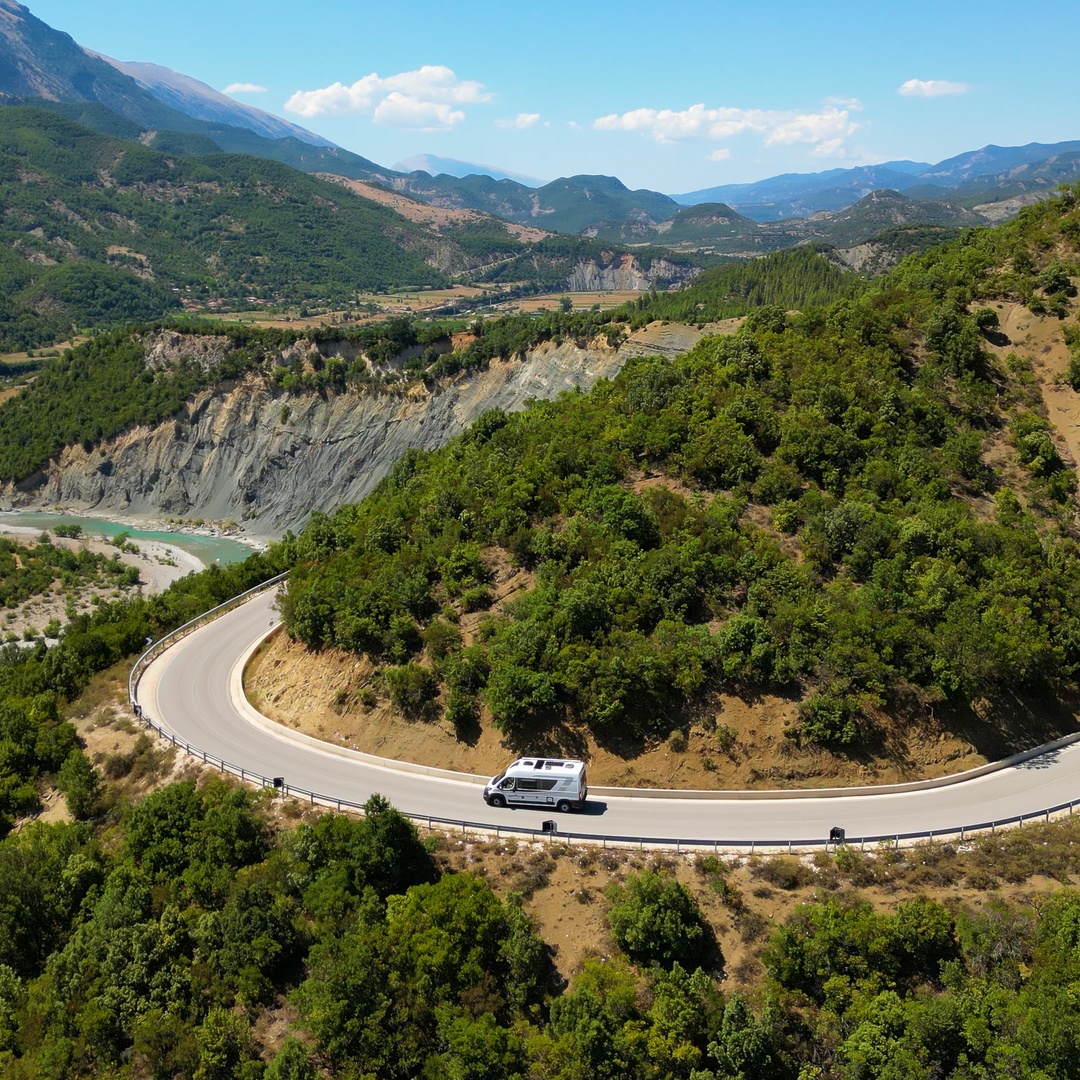
What To Know Before Driving Through Mountains
Mountain roads have their own rhythm, and they do not always match the pace of a normal highway drive. One stretch might be calm and scenic, then the next mile brings a steep grade or a wall of fog sitting low across the lane. What to know before driving through mountains has a lot to do with staying ahead of those changes instead of reacting to them too late. With the right mindset, the drive can be steady without losing the fun of the scenery.
Give Your Vehicle a Real Check First
Before the climb starts, remember that the same habits that prepare your vehicle for a road trip matter even more when elevation changes and long grades enter the picture. Tires need enough tread to grip through curves, and brakes should respond smoothly without squealing or pulling. Fluid levels deserve attention because engines work harder on steep stretches. A small issue at home feels much bigger when the next service station is far behind you.
Respect the Climb and the Descent
Driving uphill demands patience because pushing too hard strains the engine and burns fuel quickly. Downhill driving requires even more discipline, as constant braking overheats the brakes and reduces stopping power. Lower gears keep the vehicle from gaining too much speed without forcing the brake pedal to do all the work. Slow, controlled driving usually beats the rushed approach on mountain roads.
Watch the Weather as the Road Changes
Mountain weather rarely stays polite for long. Clear skies at the base might turn into fog, rain, or cold air near the top. Shadows across the road sometimes hide wet pavement, so speed should match what the road shows, not what the limit sign allows. When visibility drops, steady hands and extra following distance make the drive far less tense.
Leave Room for Other Drivers
Mountain roads bring together confident locals, nervous tourists, heavy trucks, and vehicles pulling trailers. Tailgating creates pressure where patience would serve everyone better. Passing zones are often short, so waiting for a clear stretch is safer than forcing a move around a blind curve.
Plan Stops Before You Need Them
Rest breaks are easier to enjoy when they happen before fatigue takes over. Scenic pullouts are useful for stretching, checking the vehicle, and letting the engine cool after a long climb. Fuel stops deserve the same early thinking because mountain towns are farther apart than they appear on a map. A short pause at the right time ensures the rest of the drive is smoother.
Mountain driving rewards drivers who stay patient and pay attention to the road as it changes. The goal is not to rush through every curve, but to arrive with the vehicle and plans still in good shape. What to know before driving through mountains comes down to respecting the terrain before it demands respect from you. A little caution turns the route into part of the trip.
Image Credit: by jure, File #1968671816