How To Dress for Long Days Without Sacrificing Style
An outfit can pass the morning test and still become a mistake by midafternoon. Waistbands feel tighter after hours of sitting, shoes become harder to ignore after several blocks of walking, and clothing that requires constant adjusting can make an already busy schedule more frustrating.
Because how to dress for long days without sacrificing style depends on more than choosing comfortable clothes, the best outfits account for what happens after you leave the mirror. Pieces that move well and hold up through changing plans can still look polished, giving you a practical wardrobe without making every busy day an excuse to dress down.
Dress for the Whole Day, Not the First Stop
When your schedule stretches from work into errands or evening plans, choosing an outfit based only on the first destination can create problems later. Clothes that feel appropriate for a few hours at work might become restrictive once you start moving around, while an extremely casual outfit could feel out of place when the setting changes.
Thinking through the most demanding portion of your schedule can make those competing needs easier to balance. If you know when you will spend the most time on your feet or encounter a noticeable change in setting, you can choose clothes that accommodate those moments without compromising how you want to look throughout the rest of the day.
Pay Attention to How Clothes Feel When You Move
Although an outfit may look perfectly comfortable in front of a mirror, its fit can feel completely different once you start moving through your day. Jeans that seem fine while standing might press uncomfortably at the waist when you sit, while a fitted shirt can become restrictive whenever you reach or move your arms.
Before committing to an outfit for several hours, spend a moment noticing how the clothes respond to the movements you normally make. Sitting down or walking around the room can reveal whether something immediately needs adjusting, giving you a chance to change before a minor annoyance follows you through the rest of the day.
Choose Footwear for Your Hardest Hours
When several hours of walking or standing are waiting for you, footwear can have an outsized effect on how comfortable you feel by the end of the day. Shoes that start pinching before lunch are unlikely to improve by dinner, which makes your expected activity level worth considering before choosing a pair primarily for its appearance.
With boots in particular, small fitting problems can become much more noticeable after several hours of wear. Even differences between your two feet can affect how the same pair feels, so bootfitting tips for people with different-sized feet can be useful when one boot consistently feels tighter or looser than the other.
Build Around Clothes You Already Trust
Familiar pieces have an advantage when you know you will be away from home all day. You already know whether your favorite jeans stretch after several hours or whether a particular shirt needs constant adjustment. Those details can matter more on a long day than they would during a quick outing.
Using trusted clothing as the foundation does not mean wearing the same combination every time your schedule gets busy. Pair familiar jeans with a different top, change your shoes, or introduce an accessory you have not worn with them before. Keeping one or two dependable elements gives you room to change the look without making the entire outfit an experiment.
Use Layers That Can Come and Go Easily
Long days can put you in several environments with completely different temperatures. A chilly morning may give way to a warm afternoon, and indoor spaces can make the weather outside almost irrelevant. Clothing that cannot adapt may leave you uncomfortable for a large portion of the day.
A removable layer solves much of that problem as long as the outfit underneath can stand on its own. Choose a jacket, cardigan, or lightweight overshirt that you can remove without making the rest of the outfit feel unfinished. You gain flexibility without carrying an entire change of clothes.
Let One Detail Give the Outfit Personality
Comfortable dressing can become visually flat when every decision focuses exclusively on practicality. You do not need an outfit filled with statement pieces to prevent that. One distinctive element can provide enough personality to make simple clothes feel deliberate.
The detail might be a patterned shirt, an interesting pair of boots, or an accessory you particularly like. Once you choose it, let simpler pieces provide the background. A restrained combination can make the details you care about more noticeable while reducing the number of things you need to coordinate before a busy day.
Plan for Where You Are Going Later
Days that continue into dinner or other plans create a different wardrobe challenge because an outfit must cross from one part of your schedule into another. Going home to change may not make sense, but dressing for the evening from early morning can leave you uncomfortable for hours.
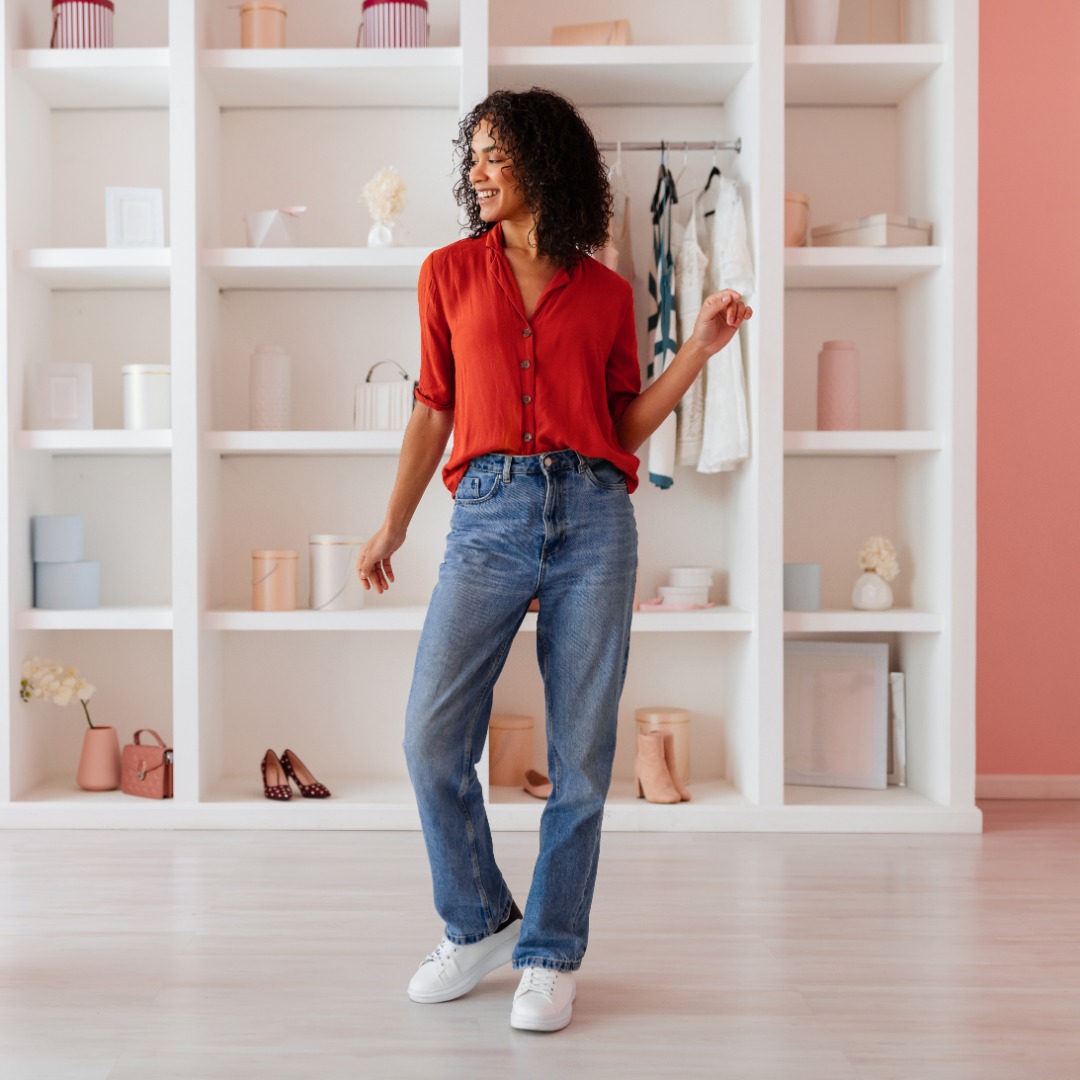
Without replacing the comfortable foundation you chose for the daytime, small styling changes can make the same outfit feel better suited to a different setting. A button-down shirt can move between casual and more polished environments with minor adjustments, while clean jeans can work across many everyday settings when the rest of the outfit supports the transition.
If your evening plans call for a slightly different look, carrying one easy accessory can provide another option without requiring a second outfit. Adding jewelry or switching to a smaller bag takes little effort, giving you a simple way to adjust your appearance when the character of the day changes.
Stop Saving Comfortable Clothes for Casual Days
Sometimes the problem is not finding comfortable clothes but assuming they belong only in casual situations. A well-fitting garment does not automatically look sloppy, just as an uncomfortable one does not automatically look polished.
Pay more attention to fit and condition than to whether an item feels easy to wear. Clothes that sit well on your body and look cared for can create a put-together appearance without requiring you tolerate discomfort for hours. Once you identify the pieces that meet both needs, they can become the foundation for many of your busiest days.
Make Your Wardrobe Work as Hard as Your Schedule
After spending hours moving through work, errands, or plans with other people, the last thing you want is an outfit that continually demands your attention. Clothing that moves comfortably with you and suits different parts of your schedule makes personal style easier to maintain without turning getting dressed into another complicated task.
Knowing how to dress for long days without sacrificing style ultimately comes down to choosing pieces for the life you live. Clothes you trust, footwear that fits properly, and a few intentional details can carry an outfit from morning into evening while still allowing you to look like yourself at the end of the day.
Image Credit: by Prostock-studio, #709916126