
Why Connected Living Spaces Remain Popular Today
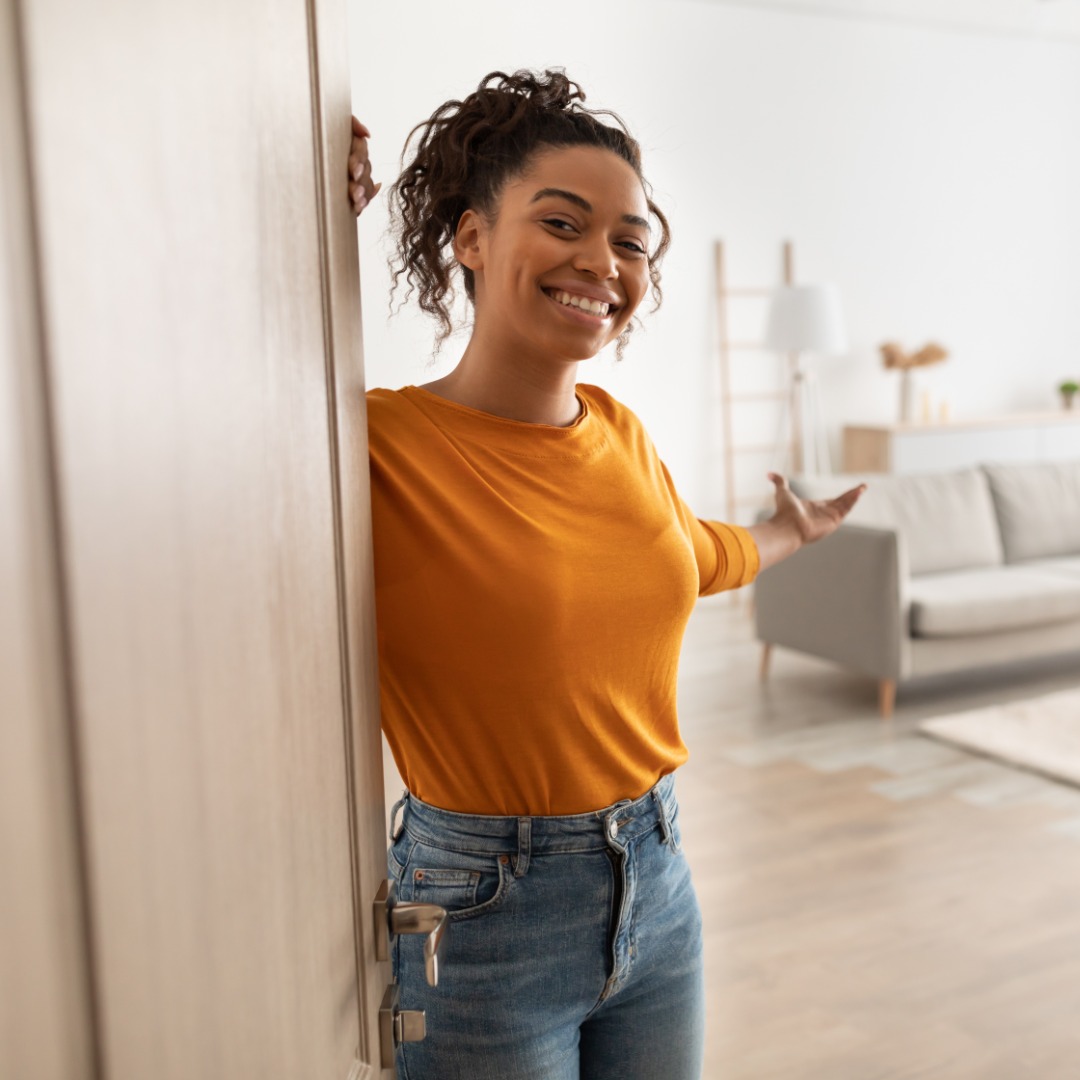
Connected living spaces continue to remain popular with homeowners and renters because they create a more open and welcoming environment. Modern lifestyles often require rooms that serve multiple purposes throughout the day. People want spaces that support relaxation, dining, and social activities without feeling crowded. Open layouts help achieve that balance while making homes feel larger and brighter.
How Open Layouts Improve Daily Life
Connected living spaces make daily routines easier and more efficient. Family members can cook, work, and relax in different areas while still interacting with one another. This arrangement encourages communication and helps people stay connected during busy schedules. Many homeowners appreciate the convenience of fewer walls and better visibility throughout the home.
Natural light also travels more freely through connected spaces. Sunlight reaches deeper into the home when walls do not block windows and sightlines. Brighter interiors often feel more inviting and comfortable throughout the year. Many people value this effect because it creates a pleasant atmosphere without relying heavily on artificial lighting.
Why Flexibility Appeals to Modern Homeowners
Today’s homeowners often seek adaptable spaces that can evolve with changing needs. A connected layout allows furniture and décor to shift easily as lifestyles change. Young professionals may create a home office area, while growing families may need additional play or study zones. Open designs provide room for those adjustments without requiring major renovations.
Connected spaces also support entertaining guests. Hosts can prepare food while remaining engaged in conversations with visitors. Guests can move comfortably between different areas without feeling confined. This flow creates a more relaxed and enjoyable experience for everyone involved.
The Connection Between Indoor and Outdoor Living
Many homeowners now view outdoor areas as natural extensions of their living spaces. Designers often focus on creating smooth transitions between interior rooms and exterior gathering areas. Features such as patio doors that enhance indoor-outdoor flow help strengthen that connection while improving accessibility and convenience. When indoor and outdoor spaces complement one another, homes feel larger and more functional.
Outdoor living areas also encourage people to spend more time outside. Patios, decks, and gardens provide additional room for relaxation and entertainment. Connected designs make these spaces easier to access and enjoy. As a result, homeowners gain greater value from their property as a whole.
Key Benefits of Connected Living Spaces
Several advantages contribute to the ongoing popularity of connected layouts:
- Improved communication among family members
- Greater flexibility for changing needs
- Better distribution of natural light
- Easier movement throughout the home
- Enhanced entertaining opportunities
These benefits appeal to a wide range of homeowners. Young adults appreciate versatility, while families enjoy increased interaction. The design works well across different lifestyles and housing types.
Why the Trend Continues to Grow
Connected living spaces align with how many people want to live today. They support convenience and comfort in a single environment. As design preferences evolve, the demand for connected spaces remains strong.
Homeowners want environments that encourage interaction while providing flexibility for future needs. Connected living spaces deliver those advantages without sacrificing style or functionality. Their lasting appeal reflects the practical benefits they bring to everyday life.
Image Credit: by Prostock-Studio, File 488945652