Bucharest Travel Guide: Things to Do, Day Trips & Hotels
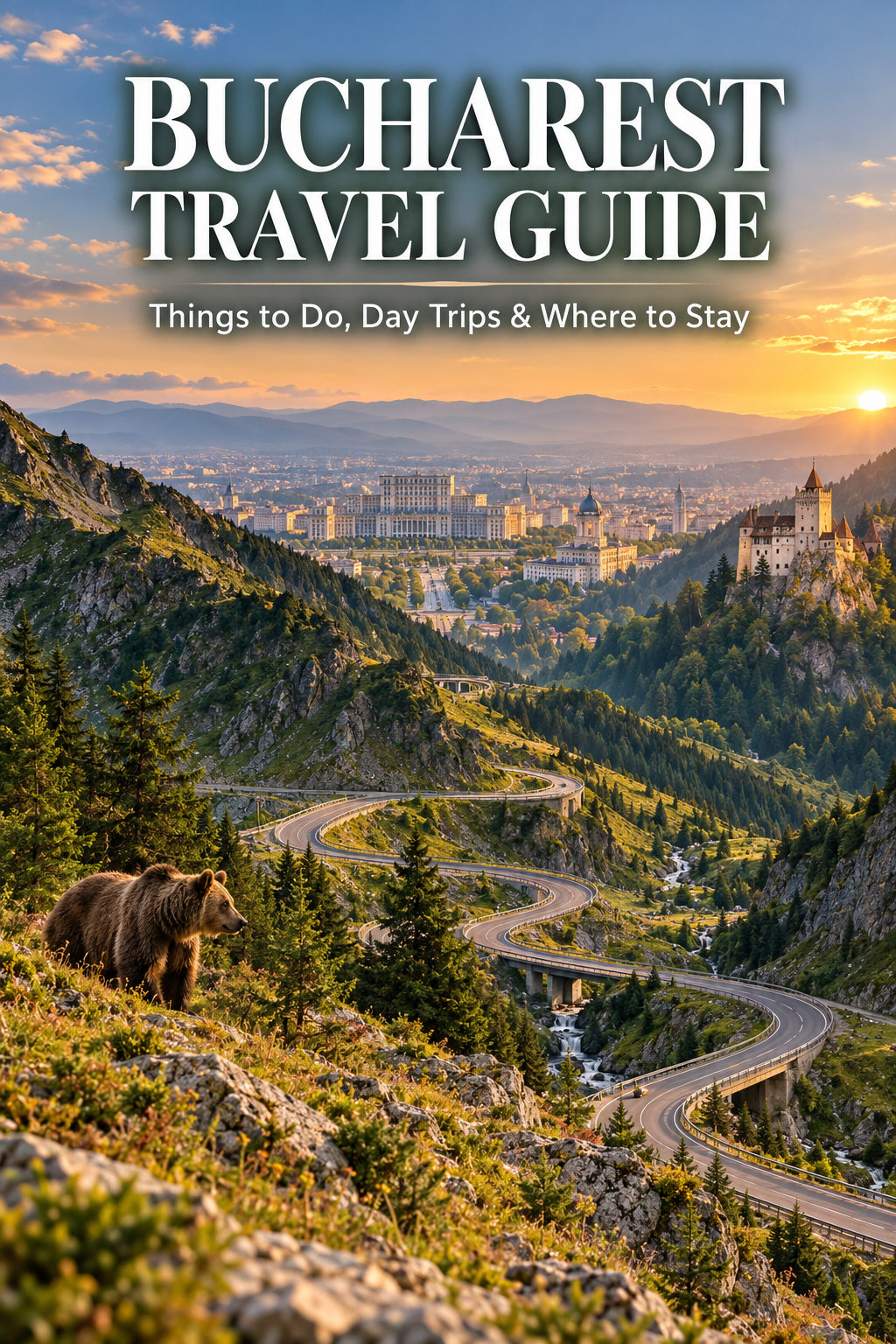
Romania was never at the very top of my travel list. Visiting every country in Europe is definitely one of my goals, but for a long time, Romania was simply one of those places I thought I would get to eventually. Then I started seeing more travel creators share the country, and it looked so beautiful that it quickly moved much higher on my list.
The nature was what interested me most. The mountain landscapes looked stunning, I loved the idea of possibly seeing wild bears along the road, and if you know me, you know I love bears, and even the spas looked incredible. I was also curious about the Dracula legends, and a few of my friends had told me good things about Romania. I originally wanted to combine Romania and Bulgaria in one trip, but ultimately decided to focus on Romania and save Bulgaria for a future visit when I had more energy.
The country lived up to what I had seen online. The scenery was beautiful, seeing wild bears was genuinely thrilling, the local food was delicious, and hearing personal stories during my Museum of Communism experience helped me understand the country on a deeper level. I also found the people I met to be friendly and welcoming.
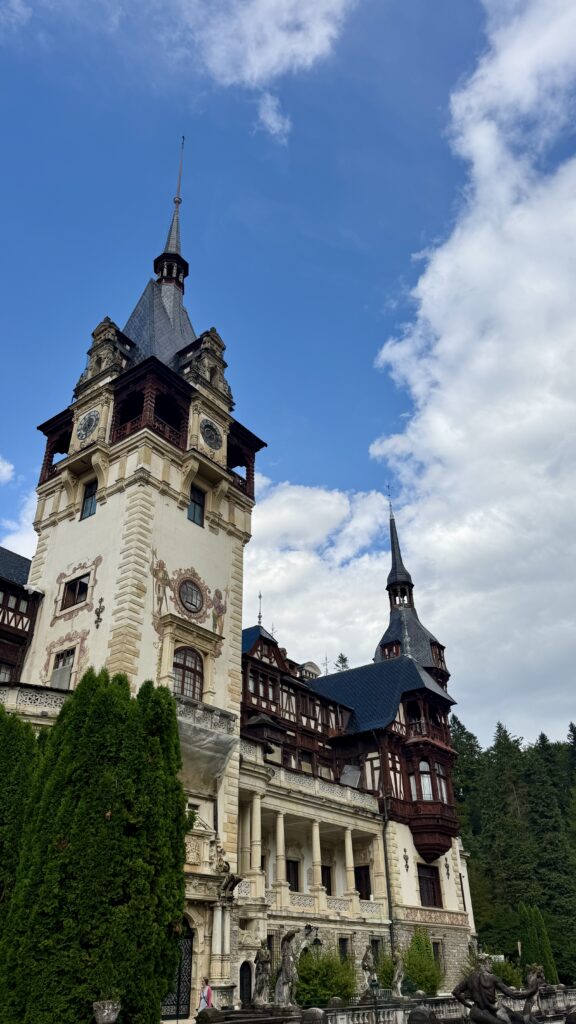
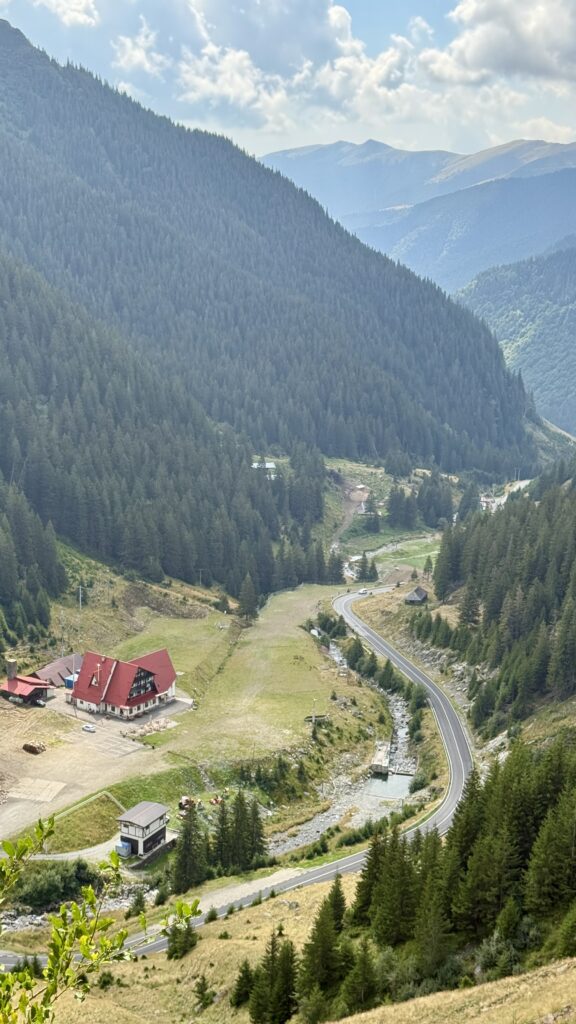
Bucharest is sometimes treated as little more than a starting point for Transylvania, yet the city deserves time of its own. It has grand architecture, layers of complicated history, lively streets, memorable food, and some genuinely unusual experiences you will not find anywhere else. It is also an excellent base for seeing more of Romania. From Bucharest, I took a day trip to Peleș Castle, Bran Castle, and Brașov; traveled along the famous Transfăgărășan Highway; and saw around seven wild bears. Back in the city, one of my favorite experiences was an after-hours tour and traditional dinner inside the Museum of Communism.
This Bucharest travel guide covers the best things to do, where to stay, how many days you need, and the day trips that made my Romania itinerary especially memorable.
Want a quick look at all three experiences? Watch my Romania travel roundup on Instagram.
Disclosure: This post may contain affiliate links. If you make a purchase through one of these links, I may earn a small commission at no extra cost to you. As always, all opinions are my own.
Is Bucharest worth visiting?
Yes, especially if you enjoy history, architecture, local food, and destinations that still feel slightly under the radar compared with Western European capitals.
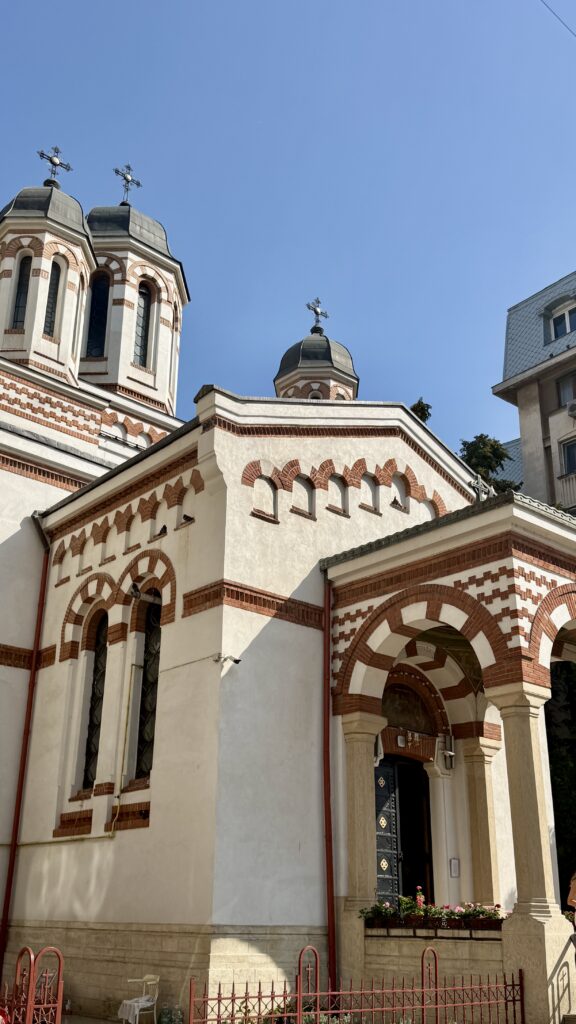
Bucharest is not a perfectly polished city, and that is part of what makes it interesting. One block may have an ornate Belle Époque building, while the next reflects the monumental scale of the communist era. Add leafy parks, energetic nightlife, historic churches, creative restaurants, and easy access to the Carpathian Mountains, and you have a city that offers much more variety than many first-time visitors expect.
It is also relatively easy to combine city sightseeing with bigger adventures. You can spend one day exploring Bucharest and the next driving through mountain scenery or visiting castles in Transylvania.
How many days do you need in Bucharest?
I recommend three to five days in Bucharest, particularly if you want to take day trips.
- Three days: Spend one full day in Bucharest and use the other two for the Transylvania castles and Transfăgărășan Highway day trips. This is fast-paced, and both excursions are long.
- Four days: Allow two days in the city and two day trips. This is the sweet spot for most first-time visitors.
- Five days: Explore at a more relaxed pace, add museums or a food experience, and leave some flexibility between the longer excursions.
The castle and highway tours can each last around 12 hours, so I would avoid placing them back-to-back if your schedule allows. A slower city day between them will make the itinerary much more enjoyable.
Best things to do in Bucharest
1. Explore Bucharest Old Town
Old Town, also called Lipscani or Centrul Vechi, is one of the easiest places to begin. Its streets are packed with restaurants, cafés, bars, historic buildings, and some of the city’s best-known sights.

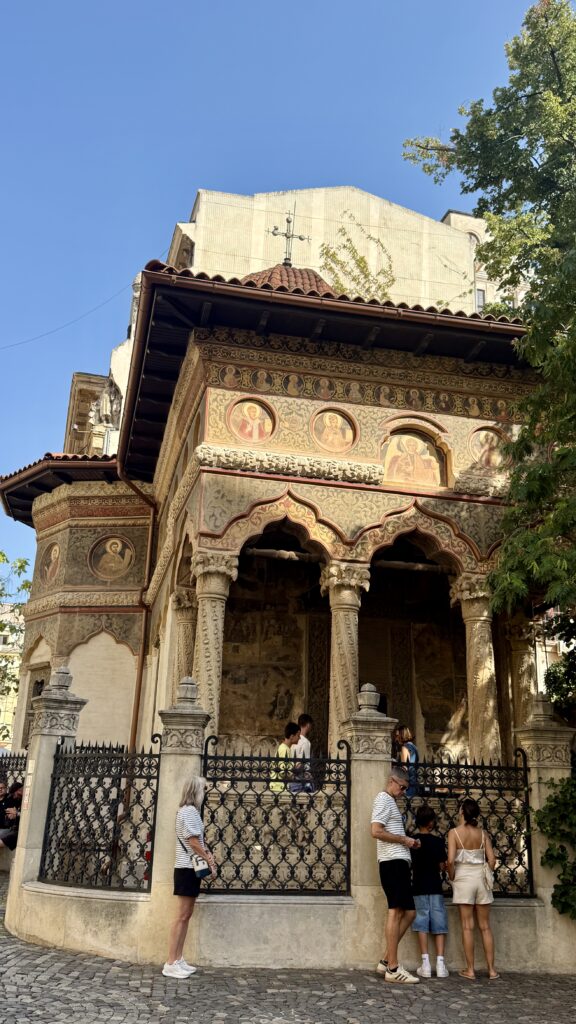
Look for the elegant CEC Palace, visit the small but beautiful Stavropoleos Monastery, and step inside Cărturești Carusel, a photogenic bookstore set in a restored historic building. Old Town becomes much livelier at night, so it is worth seeing both during the day and after dark.
2. Walk along Calea Victoriei
Calea Victoriei is one of Bucharest’s most important avenues and one of my favorite areas for a walk. Along and around it, you will find the Romanian Athenaeum, Revolution Square, the National Museum of Art of Romania, cafés, hotels, and impressive architecture.
It is a great route for seeing Bucharest’s contrasts: elegant historic façades, modern city life, and reminders of the country’s recent past all exist within a relatively compact area.
3. See the Palace of Parliament
The Palace of Parliament is one of Bucharest’s defining landmarks. Its enormous scale is difficult to understand until you see it in person. The building is closely tied to Nicolae Ceaușescu’s rule and the sweeping urban changes made during Romania’s communist period.
If you want to tour the interior, check the current visitor requirements and schedule before going. Bring your passport or accepted identification if required by your chosen tour, and allow time for security.
4. Have dinner inside the Museum of Communism after closing
This was one of the most personal and unusual experiences I had in Bucharest. Instead of simply walking through a museum and reading displays, I joined an after-hours guided tour of the Museum of Communism, followed by a traditional Romanian dinner served inside the museum.
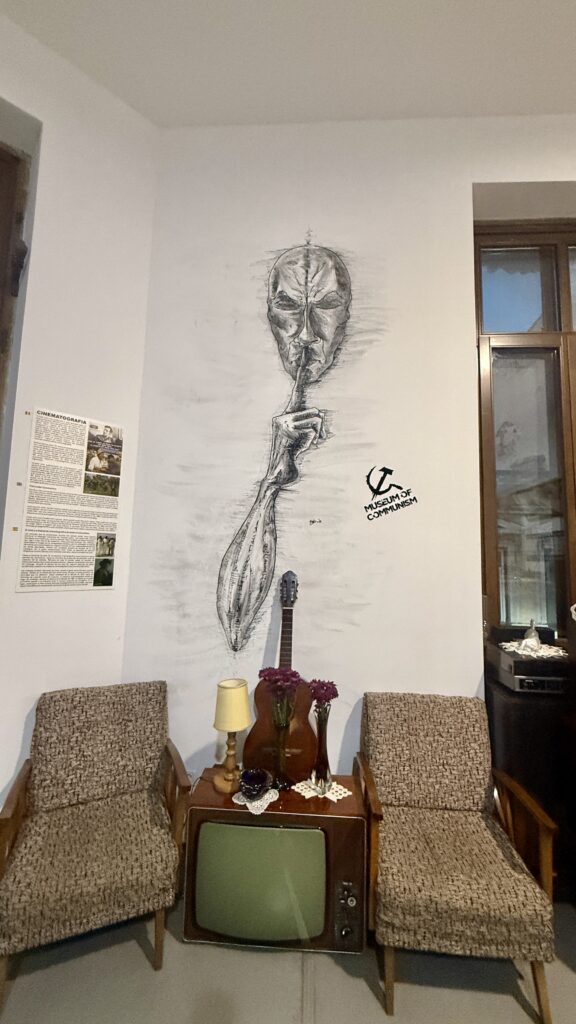
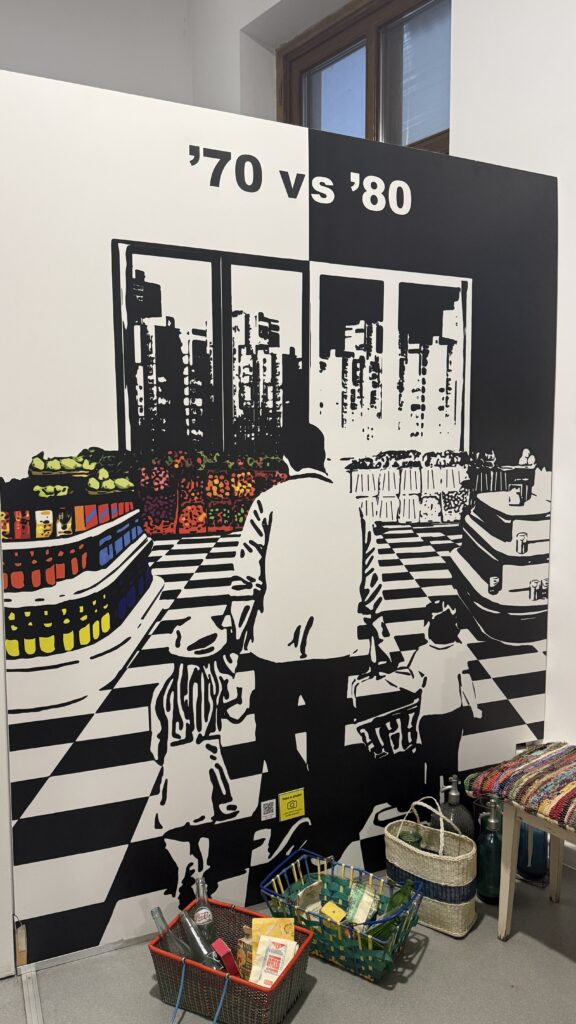
The experience lasts approximately 2.5 hours. The guide combines historical context with personal and family stories, which makes the period feel far more human than a standard timeline of events. The museum is interactive, and the evening includes traditional dishes and Romanian drinks served in a setting designed to evoke everyday life during the communist era.
Our guide was incredibly insightful and entertaining, and she explained everything in a way that was easy to follow. I learned so much throughout the experience, and being able to ask questions made it feel less like a formal museum visit and more like sitting in someone’s living room while learning how ordinary families lived through that period.

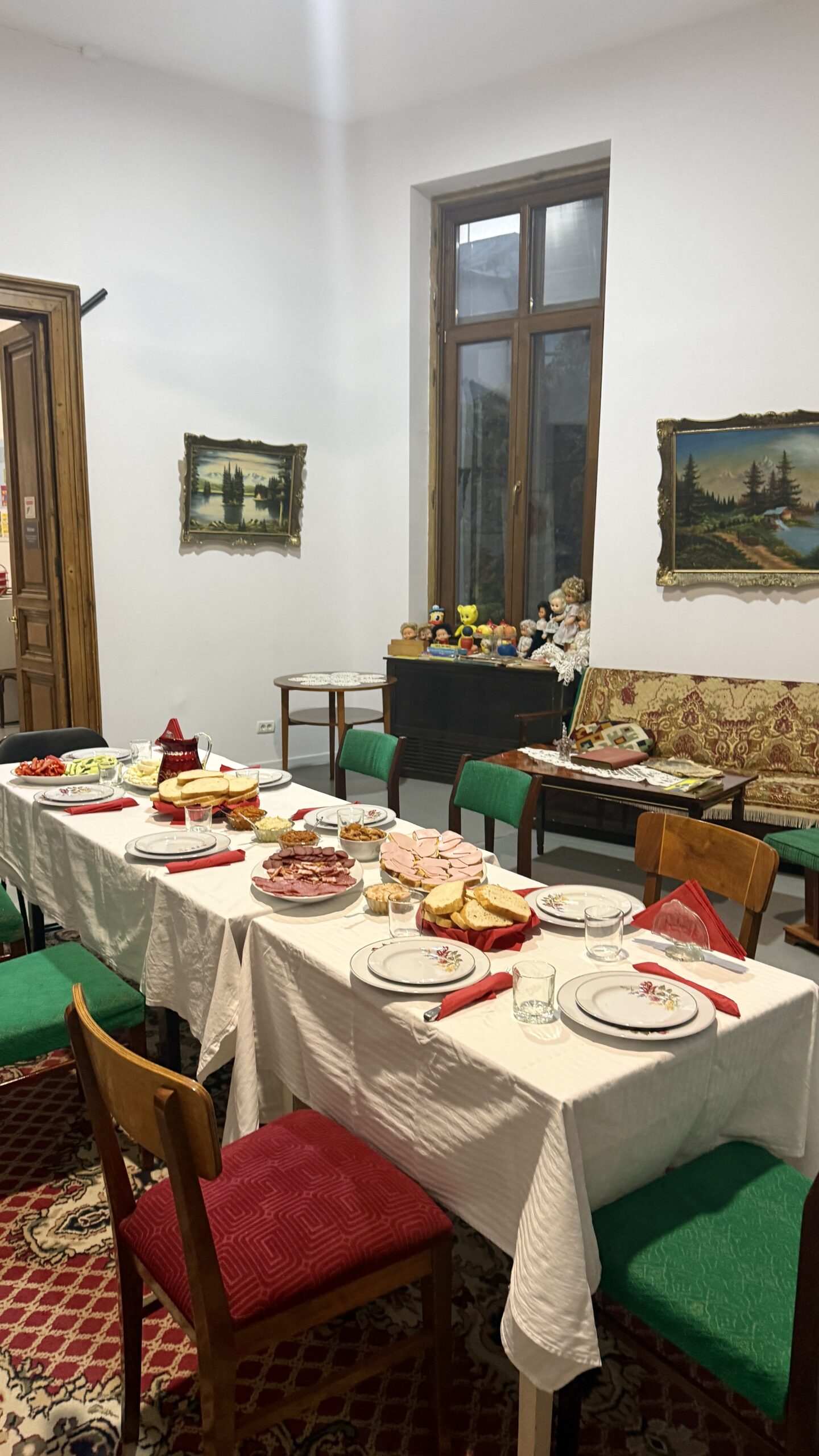

Ending the evening with a Romanian meal inside the museum made the experience even more unique. We had sarmale, along with starters that included cold meats, cheese, and vegetable spreads. The meal also included sweets, a soft drink, a traditional liqueur, and either beer or a glass of wine.
Book the experience: Dinner and Tour at the Museum of Communism after Closing
5. Visit the Romanian Athenaeum
The Romanian Athenaeum is one of the city’s most recognizable buildings and an essential stop for architecture lovers. Even if you are not attending a performance, the exterior and surrounding area are worth visiting while walking along Calea Victoriei.
Check the current concert or visitor schedule if you would like to see the interior.
6. Slow down in Cișmigiu Gardens or King Mihai I Park
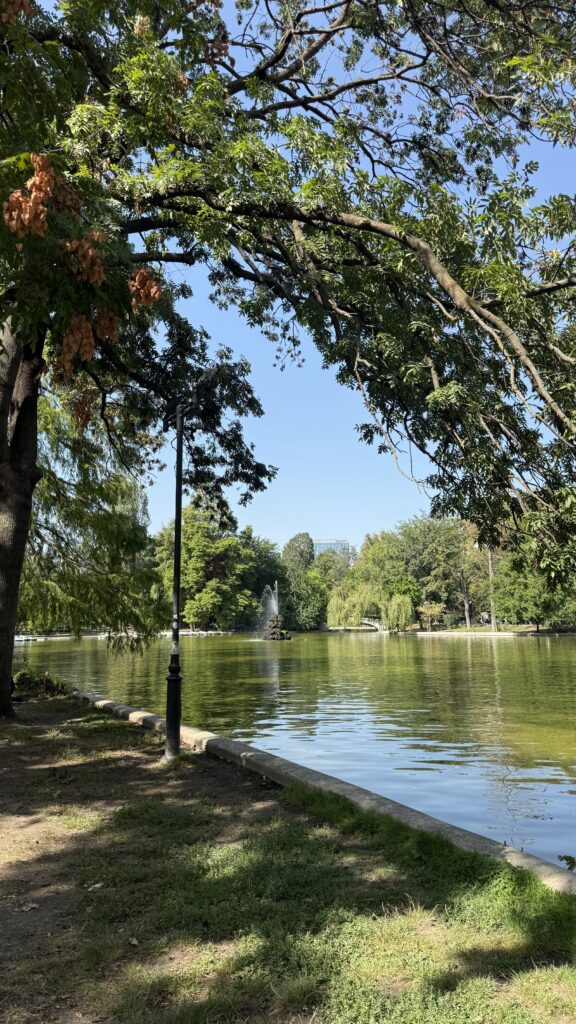
After several days of tours and city sightseeing, a park break is welcome. Cișmigiu Gardens is convenient for central Bucharest, while King Mihai I Park, often still referred to as Herăstrău Park, is larger and sits beside the lake in northern Bucharest.
The open-air Dimitrie Gusti National Village Museum is located beside King Mihai I Park and displays traditional houses and farmsteads from different regions of Romania. It is a good addition if you want to learn more about the country beyond its capital.
Best day trips from Bucharest
The day trips were a major part of my Romania experience. They are long days, but they make it possible to see castles, medieval towns, mountain landscapes, and wildlife without changing hotels every night.
+ Transylvania day trip: Peleș Castle, Bran Castle, and Brașov
If this is your first trip to Romania, the classic Transylvania day trip is an easy way to see several famous places in one day.
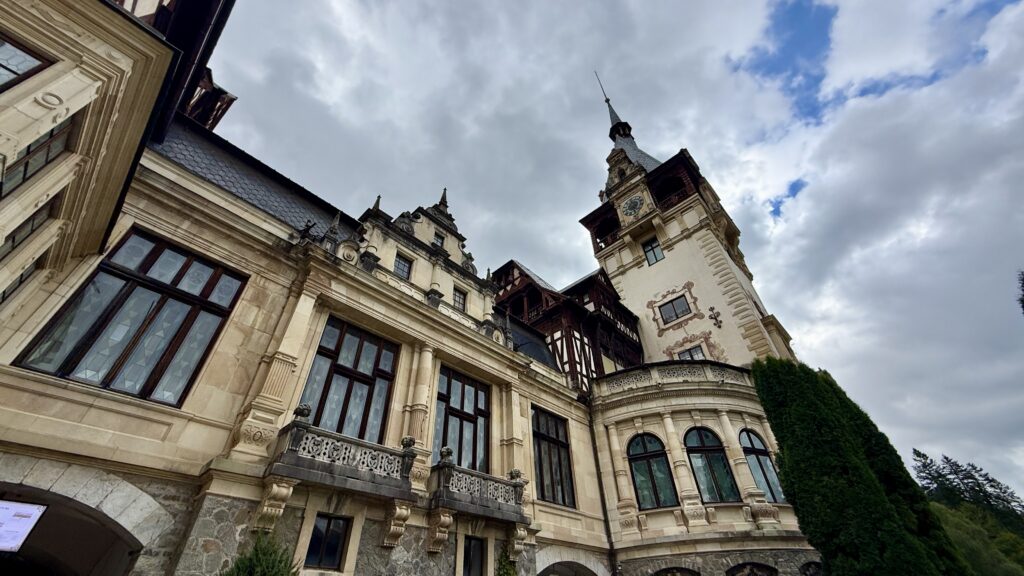
My tour included:
- Peleș Castle: A former royal residence in Sinaia, surrounded by the Carpathian Mountains. The setting and ornate architecture make this feel like the fairytale stop of the day.
- Brașov: A medieval city with a colorful central square, mountain scenery, and time to walk around the historic center.
- Bran Castle: Widely marketed as “Dracula’s Castle,” although the relationship between the building, Vlad the Impaler, and Bram Stoker’s fictional Dracula is more legend and tourism than a straightforward historical connection.
The excursion takes approximately 10-12 hours, although traffic can extend the day. Castle admission may be separate depending on the specific option booked, and Peleș Castle has weekly closing days and occasional maintenance closures. Check the latest inclusions and opening schedules rather than assuming every interior visit is guaranteed.
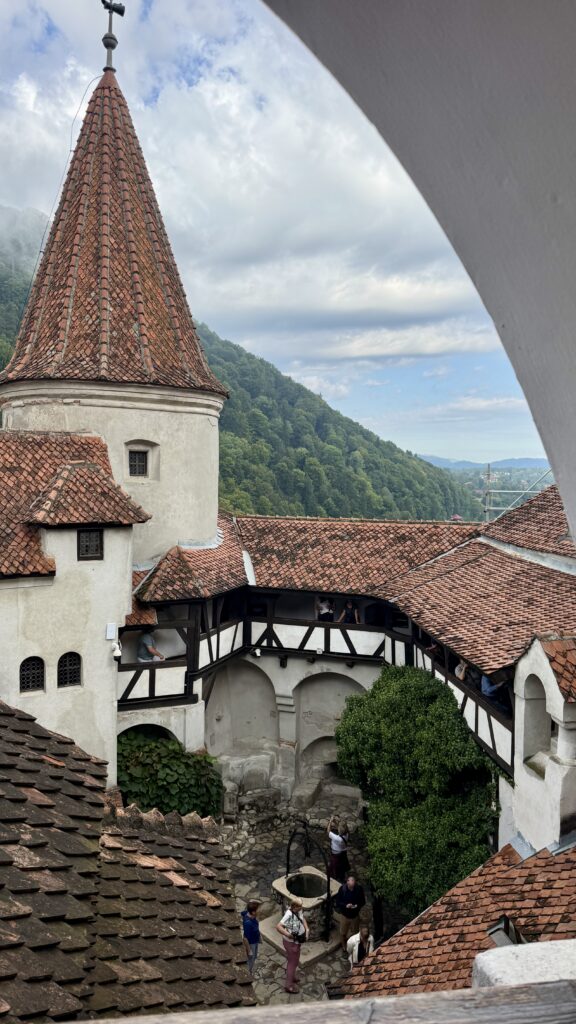
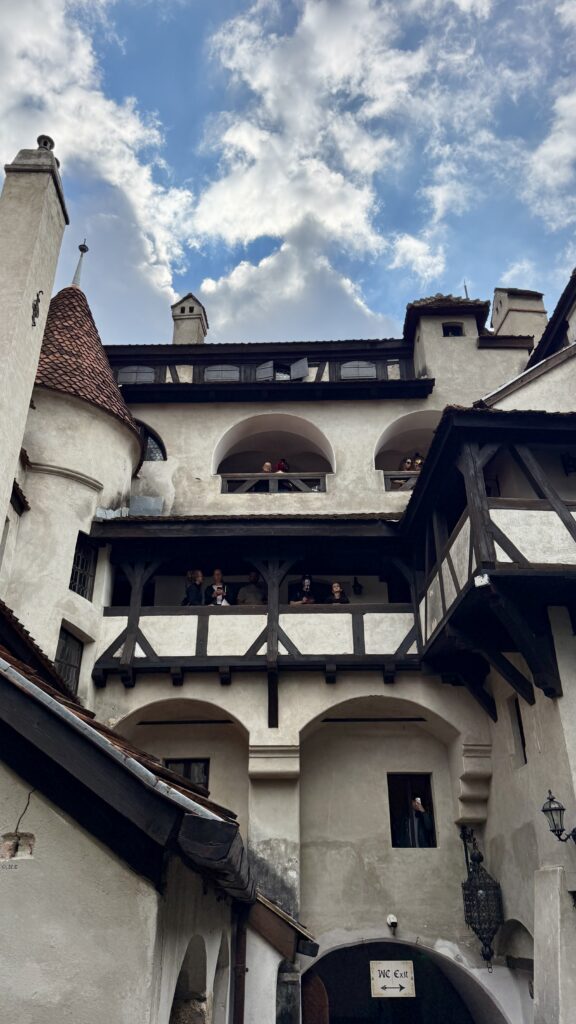
Book the experience: Dracula’s Castle, Peleș Castle, and Brașov Day Trip from Bucharest
Bran Castle was interesting to see, and some of the Dracula-themed displays definitely gave me eerie vibes. It is important to know that the connection between Bran Castle and Vlad the Impaler is largely based on legend; Vlad’s confirmed grave is not inside the castle, but the atmosphere and views still make it a memorable stop. Also, be prepared for an uphill walk to reach the castle.
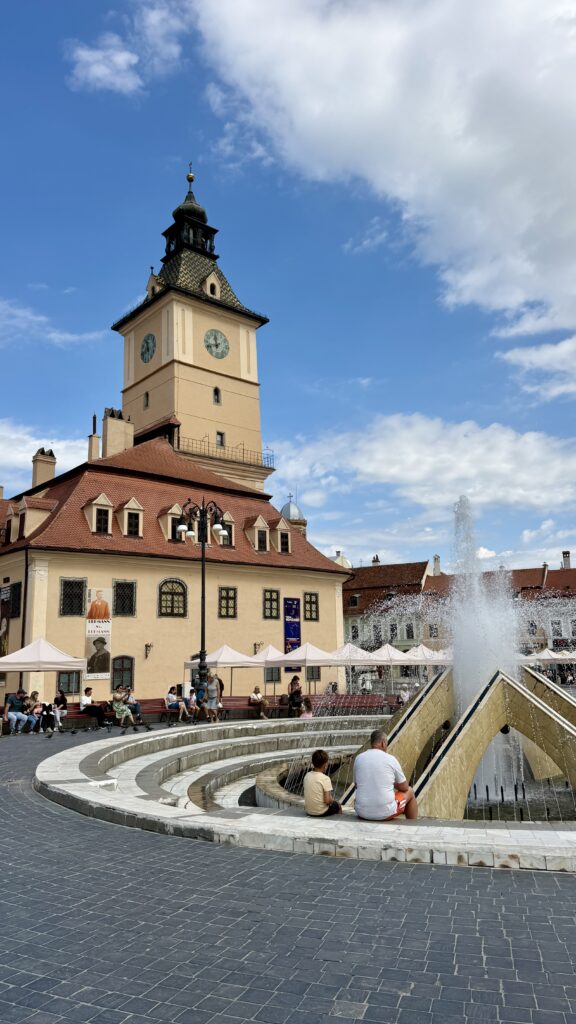
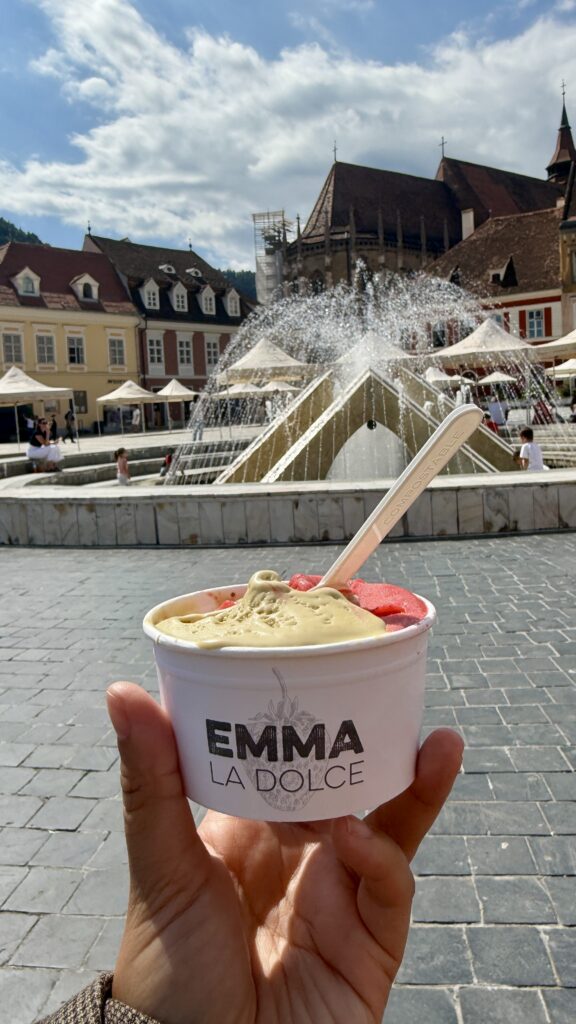
Brașov was so pretty, with colorful buildings, cute shops, and plenty of places to try Romanian food. I did not have time to do much beyond walking around and getting ice cream, but you can also go up to one of the viewpoints if your schedule allows.
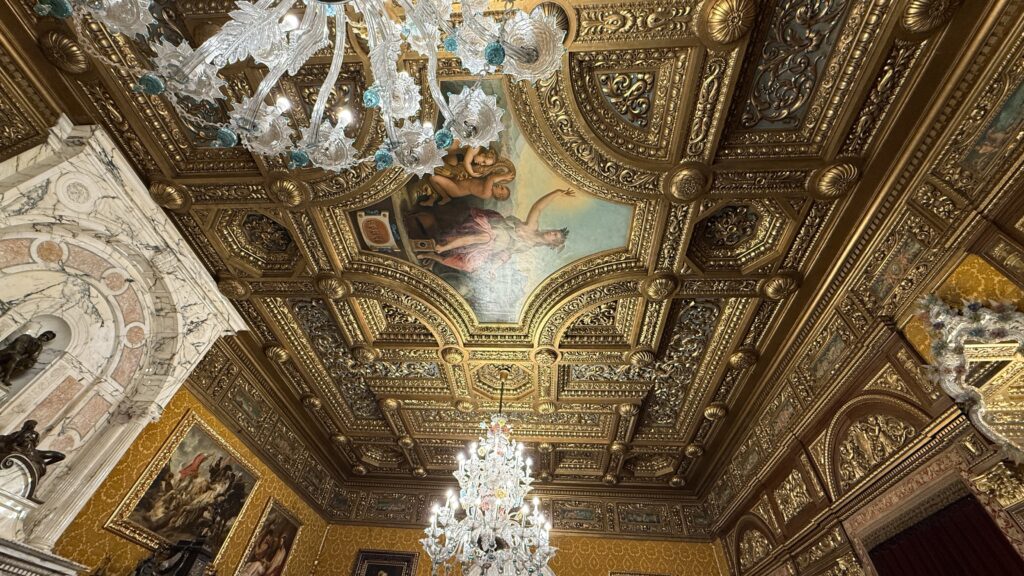
Peleș Castle was beautiful, both inside and out. Having a guided tour made a big difference because we received context instead of simply wandering through the rooms. The mountain weather was noticeably cooler than Bucharest, so bring an extra layer and an umbrella, it may rain even when the weather in the capital looks completely different.
I did not feel rushed during the tour, although it is a very long day. It starts early in the morning, and you may not return to Bucharest until the evening, depending on traffic. If you only have a few days and want an overview of all three places, I think it is a great option.
+ Transfăgărășan Highway and wild brown bears day trip
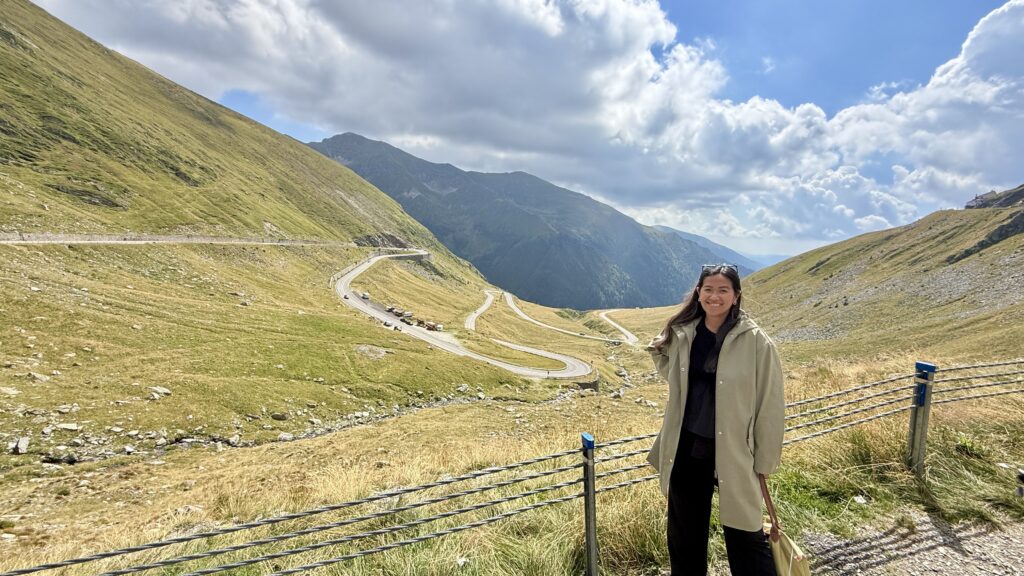
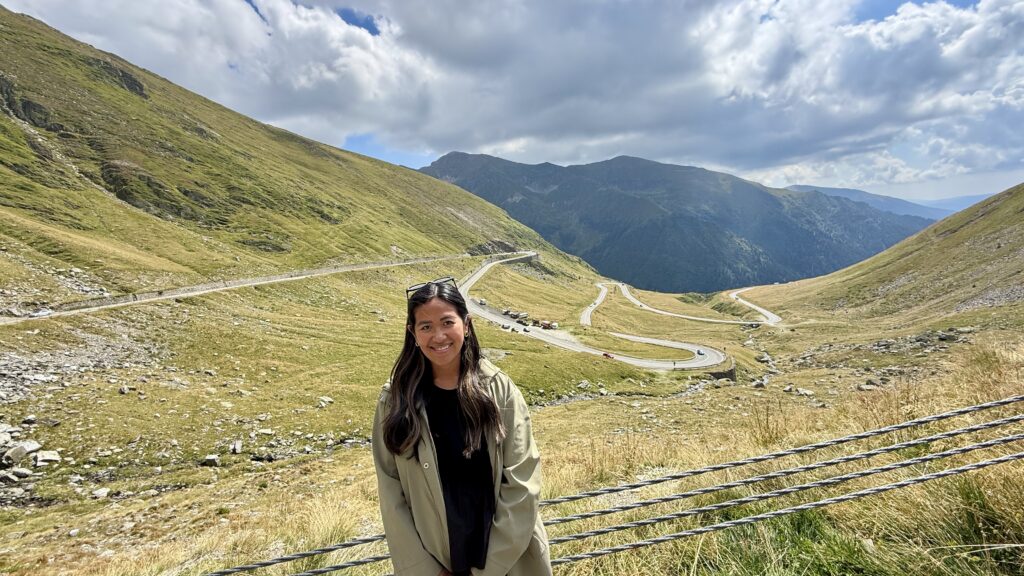
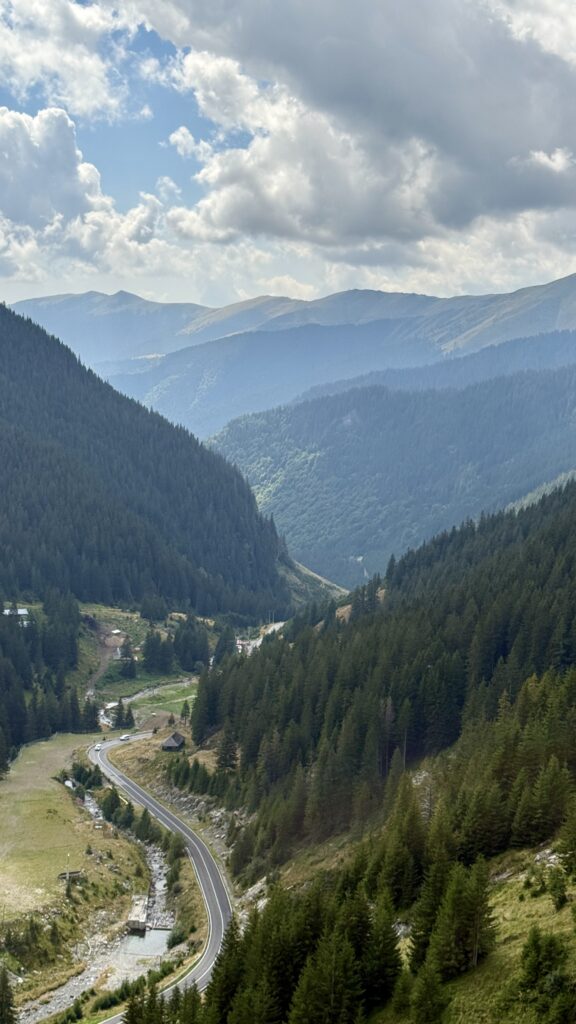
The Transfăgărășan Highway was one of the biggest highlights of my time in Romania. The road winds through the Făgăraș Mountains with dramatic turns, forested valleys, waterfalls, and wide mountain views.
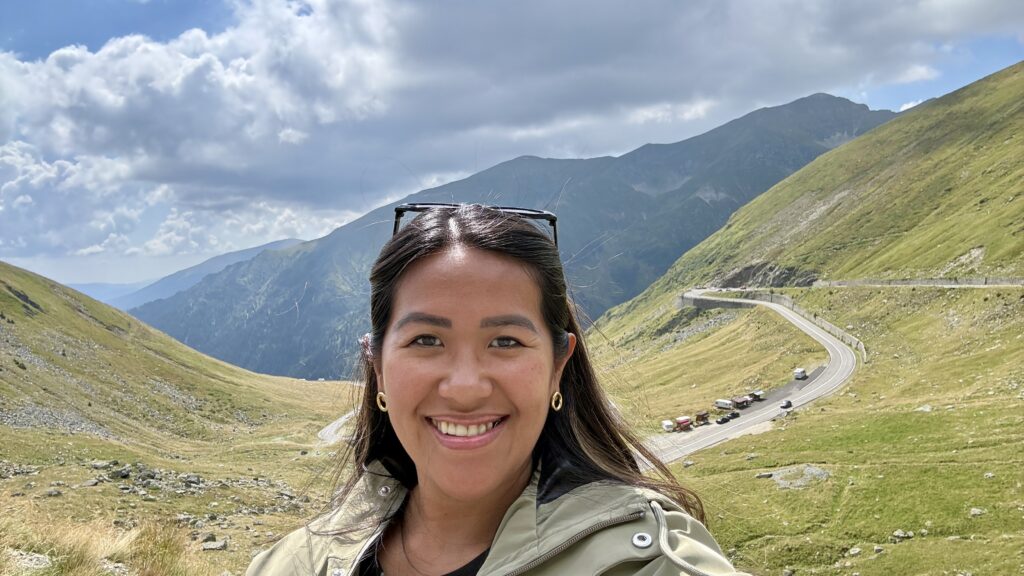
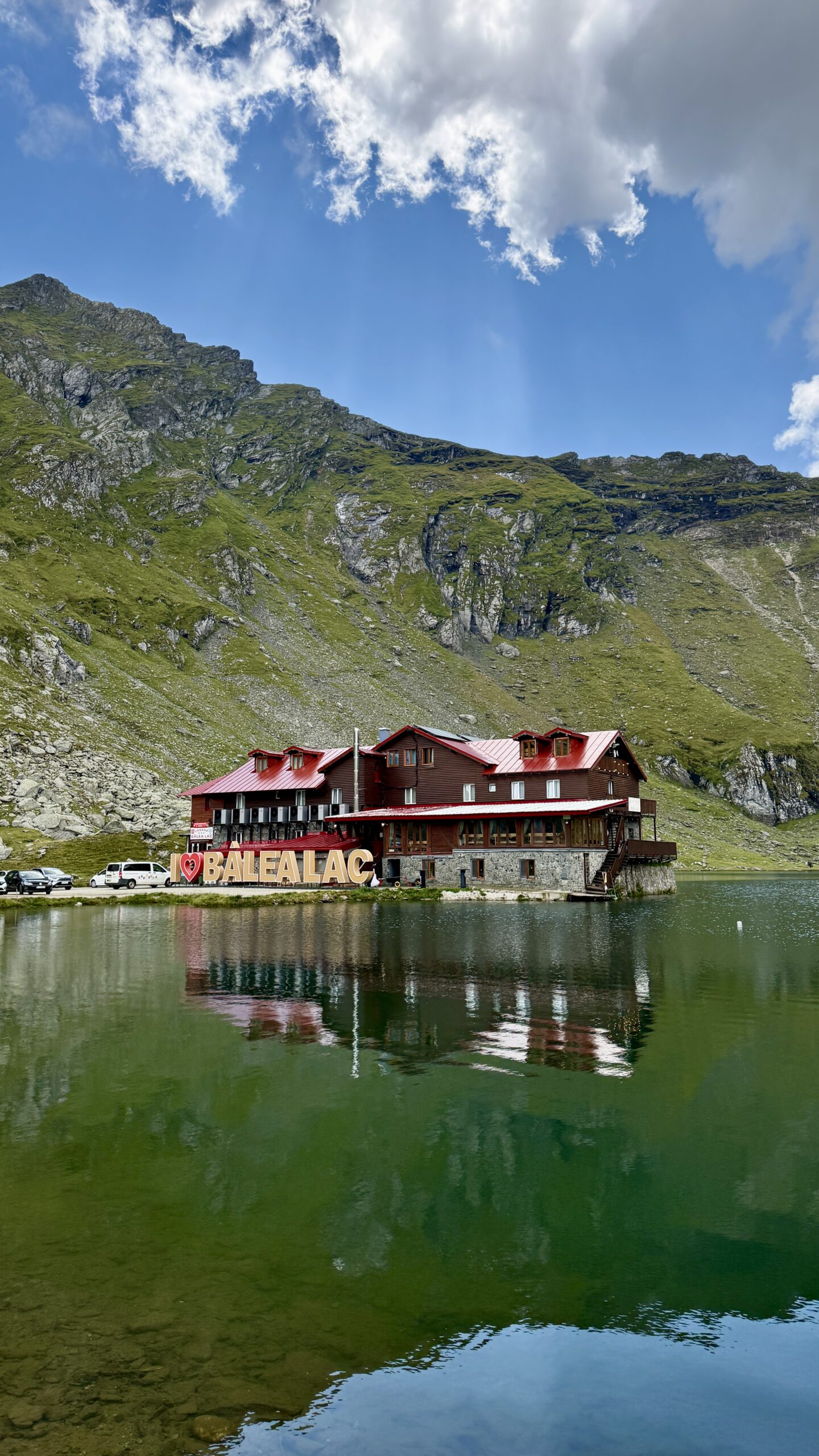
My full-day tour from Bucharest included stops around Vidraru Dam, Capra Waterfall, and scenic sections of the Transfăgărășan Highway. The exact route can change with weather and road conditions.
And then there were the bears. I expected that we might spot one if we were lucky, but I ended up seeing around seven bears during the day. It was incredible to observe them, but it was also an important reminder that they are wild animals, not roadside entertainment.
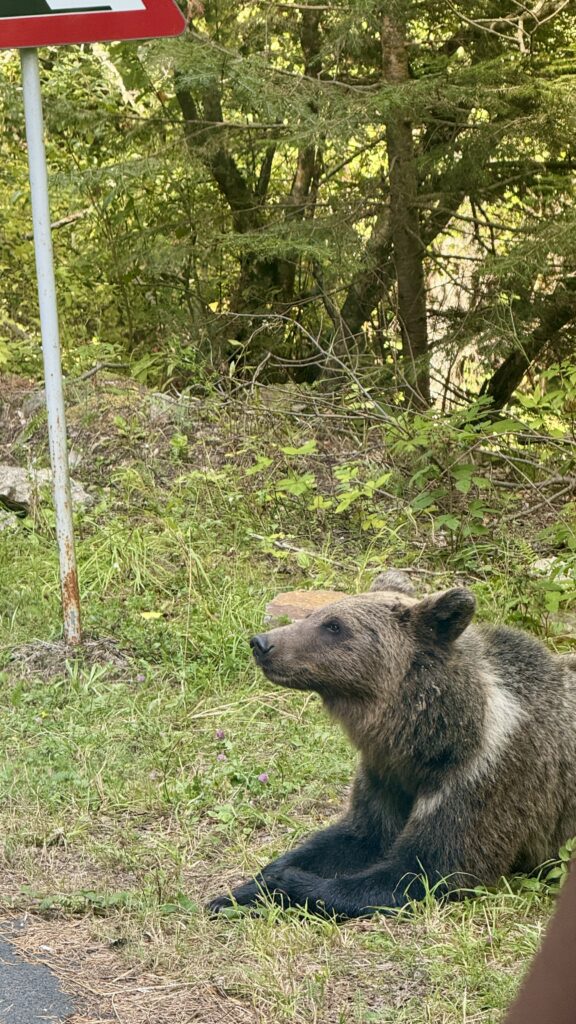
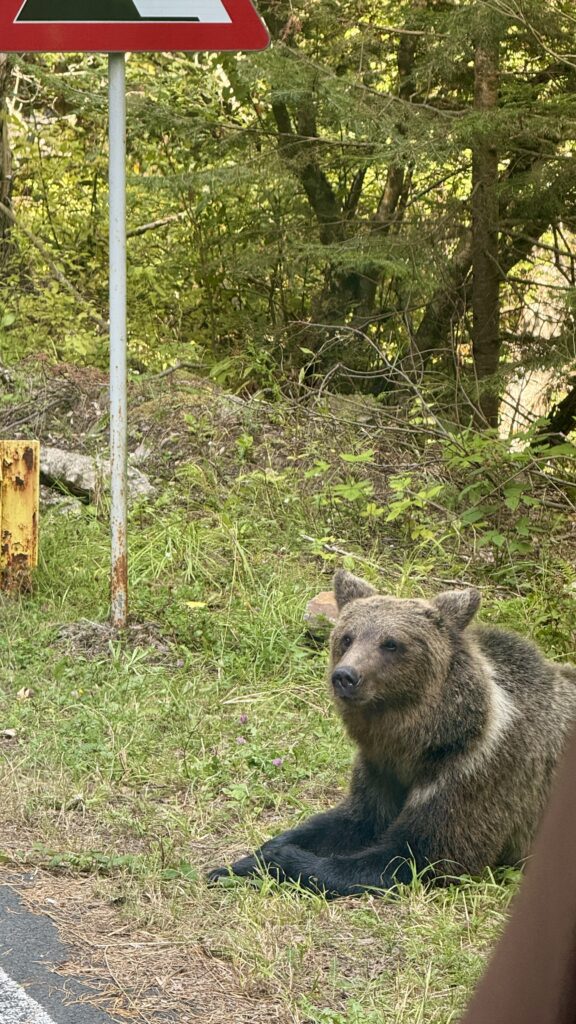
Never approach or feed a bear, leave your vehicle, or encourage it to come closer for a photo. Follow your guide’s instructions and keep a safe distance. Sightings can never be guaranteed, and responsible wildlife viewing should always come before getting the perfect shot.
Book the experience: Transfăgărășan Highway and Wild Brown Bears Day Trip from Bucharest
Honestly, this was my favorite tour of the entire trip. The scenery was stunning, and seeing the bears made it even more memorable. I think we spotted around seven bears throughout the day, which was so exciting and far more than I expected to see.
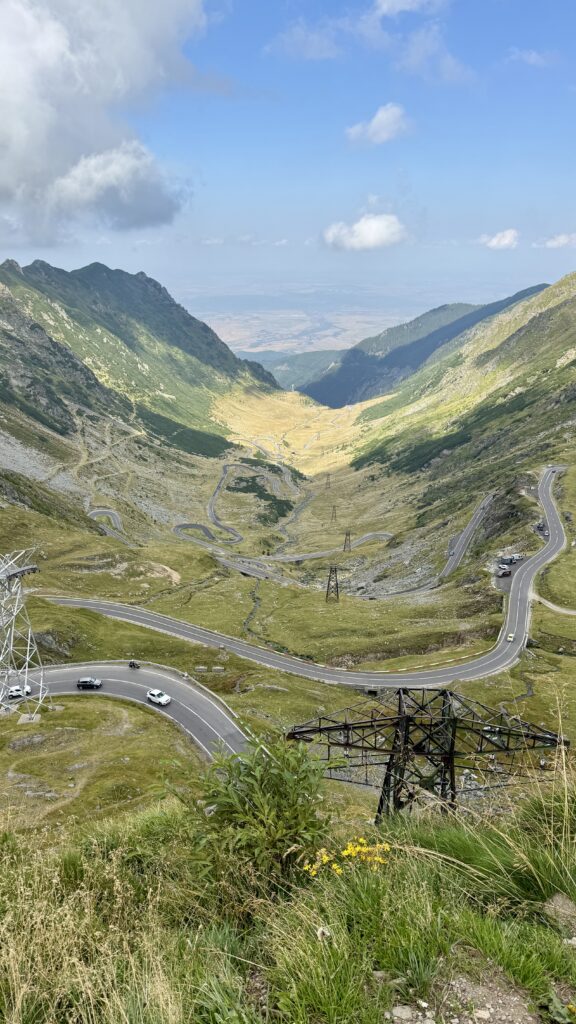
The Transfăgărășan Highway itself was the coolest viewpoint. A fun fact is that the road was built in the 1970s under Nicolae Ceaușescu as a strategic military route across the Făgăraș Mountains. Today, its dramatic curves and mountain panoramas have made it one of Romania’s most famous drives.
We also had a few additional photo stops along the route. Between the mountain scenery, the winding highway, and the wildlife, the experience was completely worth the long day.
FYI – At the moment, the exact tour I joined may not appear year-round because the upper section of the highway closes when winter conditions make the route unsafe. The wild bears also become much less active during the colder months, when many retreat to their dens for winter hibernation.
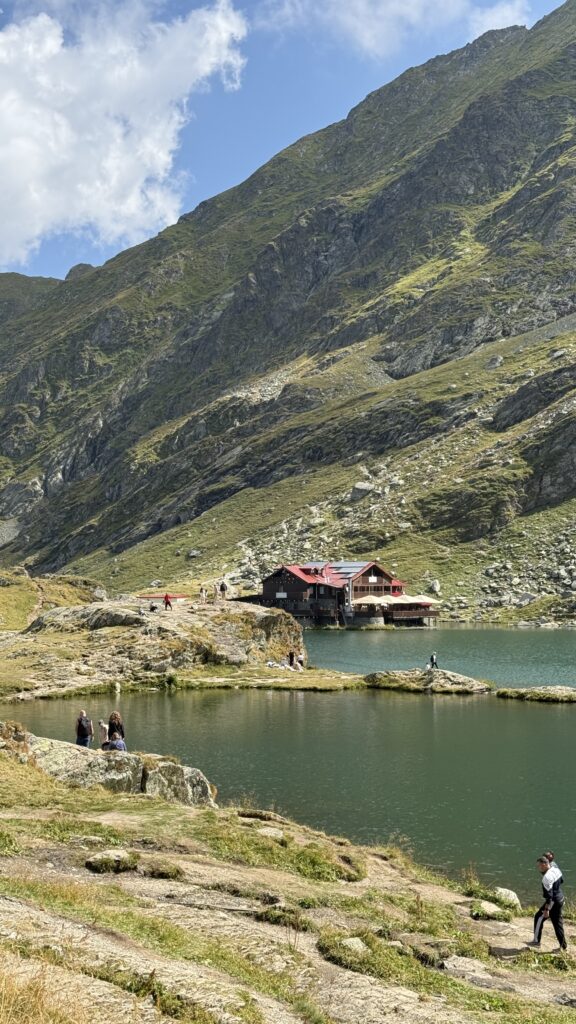
Tours combining the Transfăgărășan Highway with the chance to see wild bears are generally available during the warmer season, roughly from May through October. However, the upper section of the highway may not reopen until June in some years, and closing dates can change depending on snow and road conditions. Always check the current itinerary before booking, and remember that sightings of wild bears are never guaranteed.
If you are visiting Romania during the off-season, you can still book an alternative experience at a bear sanctuary rather than trying to spot bears along the closed mountain route. Here are some alternatives to consider in the meantime:
What to know before visiting the Transfăgărășan Highway
- The high mountain section is seasonal. It normally opens during the warmer months, but exact opening and closing dates depend on snow and road safety. Do not build your itinerary around assumed dates; check the official road status shortly before traveling.
- The weather changes quickly. Bring a light jacket or warm layer even if Bucharest is hot and sunny.
- It is a long, winding journey. Pack motion-sickness medication if you are sensitive to mountain roads.
- Wear comfortable shoes. The day includes photo stops and short walks on uneven ground.
- Bring water and snacks, but check vehicle rules. Some tour operators do not permit food or drinks inside their vehicles.
- Bear sightings are possible, not promised. The experience is still worthwhile for the scenery even if no bears appear.
- A tour is convenient if you do not want to drive. You can enjoy the landscape without navigating hairpin turns, parking, or sudden weather changes yourself.
More day trips from Bucharest to consider
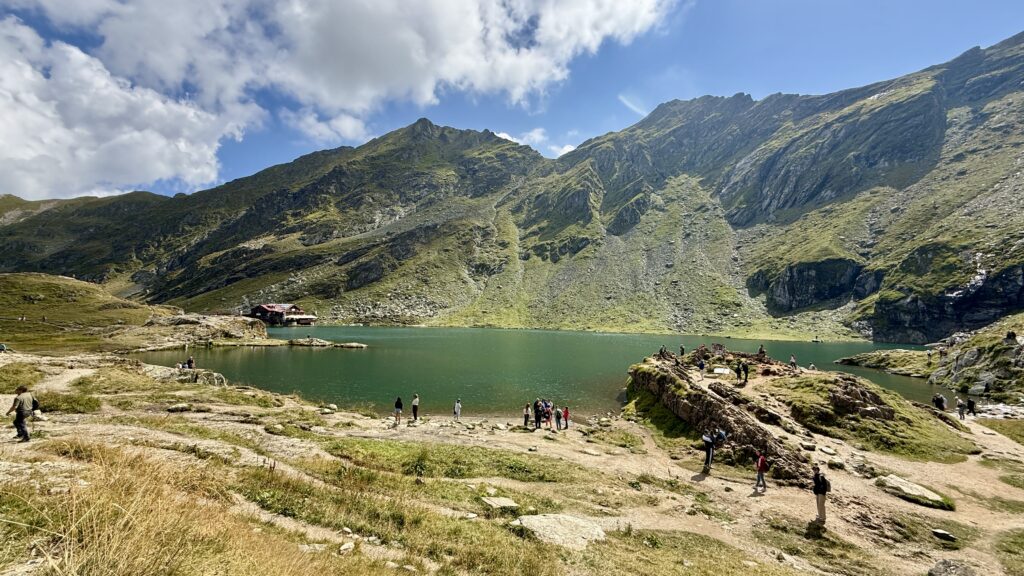
If you have extra time, these are other popular ways to see more of Romania:
Therme București
For a relaxing half-day or evening, Therme București is a large wellness and water complex north of the city. It is a good counterbalance to long sightseeing days, especially if your itinerary includes two 12-hour tours.
Slănic Prahova Salt Mine
The Slănic Prahova area is known for its enormous underground salt mine. This works well for travelers looking for something different from castles and city museums.
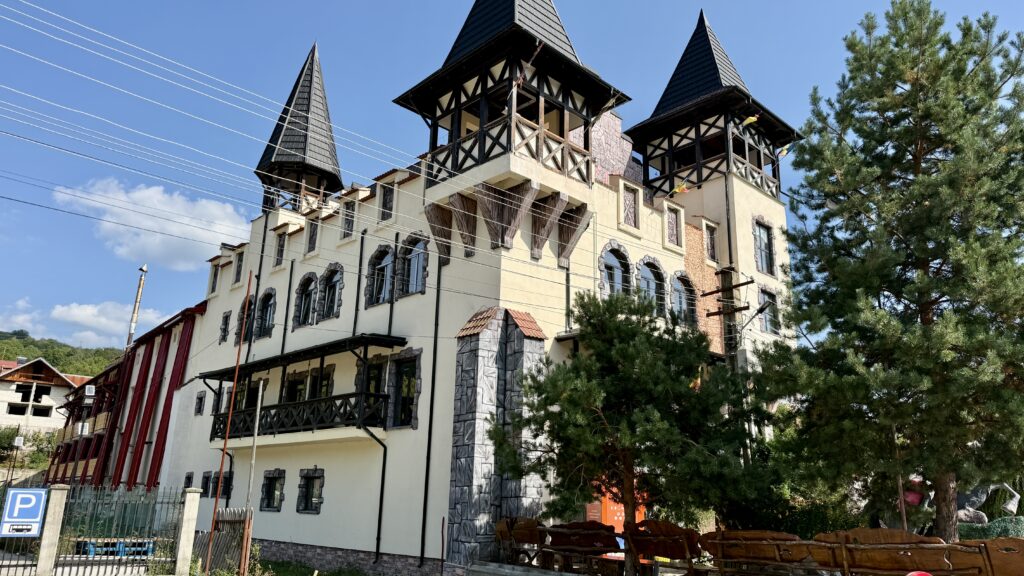
Comana Natural Park and Monastery
Comana is an option for nature, wetlands, and a quieter change of pace closer to Bucharest. Available activities vary seasonally, so check what is operating before planning the day.
A longer stay in Brașov
The day tour gives you a taste of Brașov, but travelers with a week or more in Romania may prefer to stay overnight. That gives you more time for the Old Town and makes additional Transylvania excursions easier.
Where to stay in Bucharest
For a first visit, I would stay centrally so you can walk to many sights and reach tour meeting points without a complicated early-morning commute.
Old Town: best for nightlife and first-time sightseeing
Stay in or near Old Town if you want restaurants, bars, historic streets, and major attractions close by. It is convenient and energetic, but rooms directly above the busiest streets may be noisy at night.
- Budget: Sleep Inn Hostel — A central hostel with dorms and private rooms, within walking distance of Old Town.
- Moderate: Moxy Bucharest Old Town — A modern, social hotel close to the action and well positioned for a short city break.
- Luxury: The Marmorosch Bucharest, Autograph Collection — A polished historic property with Belle Époque character near Old Town and Calea Victoriei.
Calea Victoriei and Revolution Square: best for architecture and an elegant central base
This area is my pick for travelers who want a central location without staying in the heart of the late-night Old Town scene. You will be close to the Romanian Athenaeum, museums, cafés, and one of the city’s best walking routes.
- Moderate: Hotel Capitol — A historic four-star hotel on Calea Victoriei, close to Old Town, museums, and Cișmigiu Gardens.
- Luxury: InterContinental Athénée Palace Bucharest — A landmark five-star hotel overlooking Revolution Square near the Romanian Athenaeum.
Piața Romană: best for cafés, transport, and a more local city feel
Piața Romană is still central but feels less tourist-focused than Old Town. It has metro access, cafés, restaurants, and an easy connection to Calea Victoriei.
- Budget: Hotel Duke Romana — A straightforward central option near Piața Romană and the metro.
- Moderate: Mercure Bucharest City Center — A comfortable base near the Athenaeum and Calea Victoriei.
- Luxury: Sheraton Bucharest Hotel — A full-service city hotel near Piața Romană.
A suggested four-day Bucharest itinerary
Day 1: Bucharest highlights
Start in Old Town and visit Stavropoleos Monastery, Cărturești Carusel, and the streets around Lipscani. Continue toward Calea Victoriei, Revolution Square, and the Romanian Athenaeum. See the Palace of Parliament from outside or book an interior tour if time allows.
Day 2: Peleș Castle, Bran Castle, and Brașov
Take the full-day Transylvania tour. Expect an early departure and a late return to Bucharest. Keep your evening plans flexible because traffic can affect arrival times.
Day 3: A slower city day and Museum of Communism dinner
Visit a museum, walk through Cișmigiu Gardens, or explore the Village Museum and King Mihai I Park. In the evening, join the after-hours Museum of Communism tour and dinner.
Day 4: Transfăgărășan Highway and wild bears
Spend the day in the mountains, stopping at viewpoints, Vidraru Dam, and Capra Waterfall when road and weather conditions allow. Keep the following morning relaxed if possible, you will probably be tired after another long excursion.
If you have a fifth day, use it for Therme București, a food tour, additional museums, or simply enjoying Bucharest without a schedule.
Practical Bucharest travel tips
Getting around Bucharest
Central Bucharest is walkable, but the city is spread out. The metro is useful for longer distances, and buses and trams expand the network. I also found ride-hailing convenient when I wanted a simple point-to-point trip.
Allow extra time during rush hour and before early-morning tours. Meeting points can sound close on a map but take longer to reach in traffic.
Getting from the airport
Henri Coandă International Airport is connected to the city by train and other transport options. The best choice will depend on your arrival time, luggage, accommodation, and budget. Check the latest schedule before your flight rather than relying on an older blog timetable.
Currency and payments
Romania uses the Romanian leu (RON), not the euro. Cards are widely useful in Bucharest, but it is smart to carry a small amount of local currency for markets, tips, small businesses, or unexpected cash-only situations.
When an ATM or card terminal offers to convert the charge into your home currency, compare the option carefully; paying in the local currency is often the better choice with a travel-friendly card.
Best time to visit Bucharest and the Transfăgărășan Highway
Spring and early autumn are comfortable for Bucharest sightseeing. Summer brings longer days and the best chance of accessing the full Transfăgărășan route, although the city and major attractions can be busier and warmer.
If driving the Transfăgărășan is essential to your trip, plan for the warmer season and verify the live road status immediately before you go. Mountain access can close suddenly because of snow or unsafe conditions.
What to pack
- Comfortable walking shoes
- A light rain jacket or an umbrella
- Layers for mountain weather
- Sunscreen and sunglasses
- A refillable water bottle
- Motion-sickness medication if needed
- A portable charger for long tour days
- A small day bag, since some tour vehicles restrict larger luggage
Bucharest works best when you let it be more than a checklist city. The famous landmarks are worth seeing, but my favorite moments came from experiences that added context: hearing personal stories inside the Museum of Communism, watching the landscape change as we entered the Carpathians, and unexpectedly seeing bear after bear along the Transfăgărășan route.
The city also makes a practical base for first-time visitors who want to see more of Romania without organizing a full road trip. Yes, the day tours are long, but they allowed me to experience royal castles, medieval Brașov, the Dracula legends, mountain scenery, and wildlife within one trip.
What surprised me most was just how beautiful Romania’s nature is. Bucharest was a convenient and interesting base, but the mountains, forests, wildlife, and scenic drives were the parts of the trip I loved most. If I return to Romania, I would like to spend more time staying in the country’s nature areas rather than only visiting them on day trips.
My biggest tip is not to underestimate how much there is to see outside Bucharest. If you have more time than I did, consider spending a few nights in Brașov or another mountain destination so you can slow down and experience more than a quick overview.
You can also watch my Romania roundup on Instagram to see highlights from all three experiences.
For most travelers, I think four days is ideal: two days in Bucharest and two major day trips. If you prefer slower travel, stay five days or continue into Transylvania for a few nights. Either way, Romania is a destination that deserves far more attention than a quick castle photo—and Bucharest is a fascinating place to begin.
Frequently asked questions about Bucharest
Is Bucharest good for a first trip to Romania?
Yes. Bucharest has major international transport connections, a wide choice of accommodation, and many organized excursions. It is an easy starting point for visiting Transylvania and the Transfăgărășan Highway.
Is Bucharest safe for solo female travelers?
I personally felt safe traveling solo in Bucharest and while joining organized day trips around Romania. As with any major city, stay aware of your surroundings, keep an eye on your belongings in crowded places, and use trusted transportation when returning to your accommodation late at night. Everyone’s experience can be different, but I felt comfortable exploring the city on my own.
Are three days in Bucharest enough?
Three days are enough for an introduction, but the itinerary will feel busy if you take two full-day trips. Four or five days provide a better balance between Bucharest sightseeing and excursions.
Can you visit Dracula’s Castle from Bucharest in one day?
Yes. Many full-day tours combine Bran Castle with Peleș Castle and Brașov. Expect a long day, and check whether castle entrance tickets are included in your specific booking.
Can you visit the Transfăgărășan Highway from Bucharest?
Yes, but it is a full-day excursion involving several hours of driving. The upper mountain road is seasonal and weather-dependent, so confirm the route and current road conditions before booking.
Are wild bears guaranteed on a Transfăgărășan tour?
No. Bears are wild animals, and sightings are never guaranteed. If you see one, remain inside the vehicle or at the distance directed by your guide, and never feed or approach it.
Is Bucharest walkable?
Many central sights are walkable, particularly around Old Town, Calea Victoriei, and Revolution Square. The metro, public transport, or ride-hailing is helpful for parks, northern neighborhoods, and attractions farther from the center.