Rome Travel Guide: Where to Stay, What to Do & Local Tips
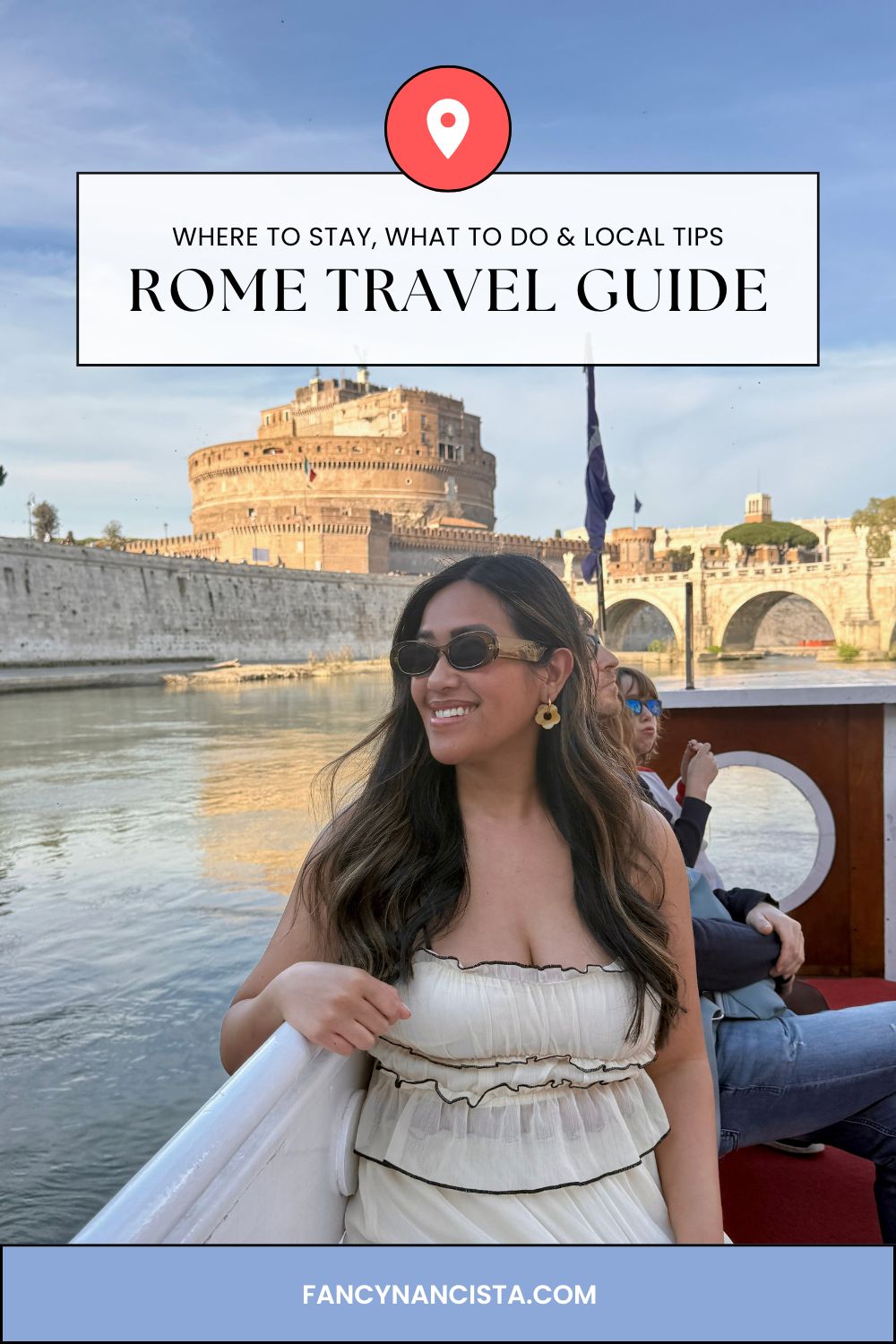
Rome is one of those cities you can visit more than once and still feel like you have barely scratched the surface. Between the ancient ruins, beautiful piazzas, hidden churches, neighborhood restaurants, and layers of history beneath the streets, there is always something new to discover.
I have visited Rome before, but my latest trip gave me a completely different perspective on the city. Instead of focusing only on the most famous landmarks, I joined a cooking class, explored underground Rome with a private guide, visited smaller attractions, and experienced the city at a slower pace.
If Rome is part of a larger trip, you can also read my Rome, Florence, and Venice itinerary. I have also shared some of my favorite food tours, experiences, and hidden gems in Italy.
In this Rome travel guide, I’m sharing where to stay, the experiences I personally recommend, and a few practical tips to make planning your trip easier.

Where to Stay in Rome
Where you stay can completely shape your Rome experience. These are three of the best areas to consider, depending on whether you want to be close to the major attractions, surrounded by restaurants and nightlife, or within walking distance of Vatican City.
Centro Storico
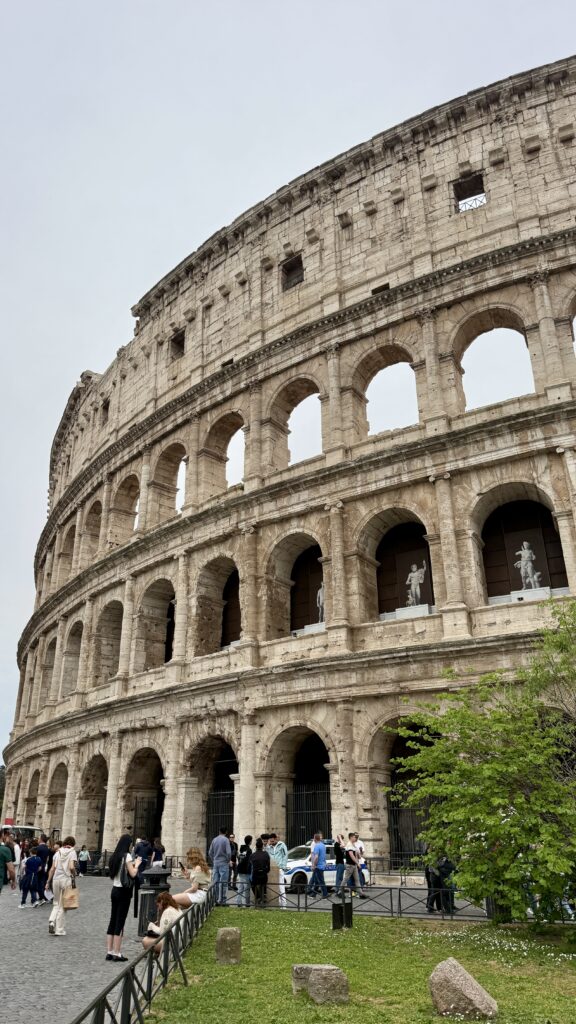
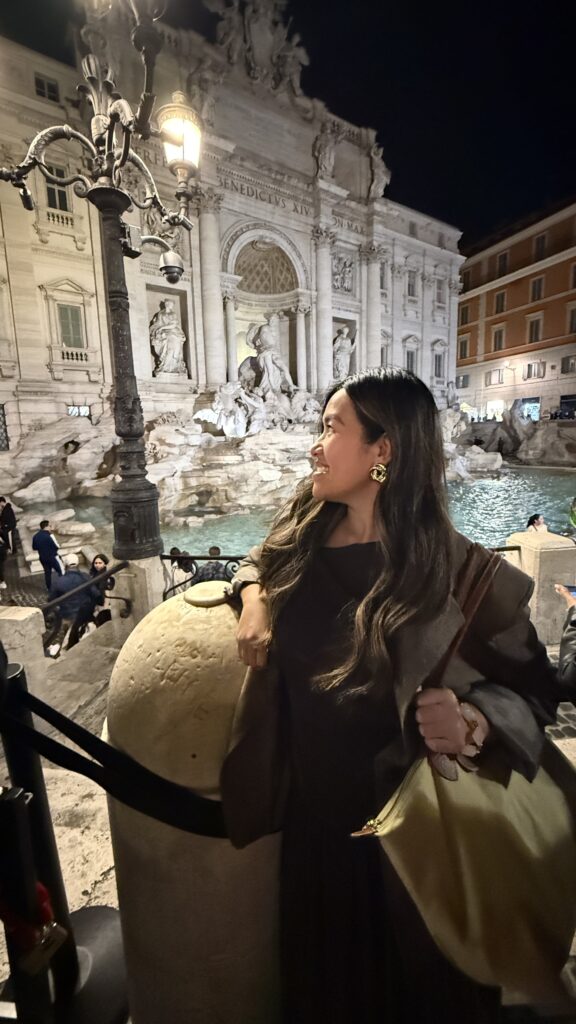
For a first trip, Centro Storico is hard to beat. The Pantheon, Piazza Navona, Trevi Fountain, Campo de’ Fiori, and the Spanish Steps are all within walking distance, placing many of Rome’s most iconic sights right around you.
It is one of Rome’s busiest and more pricier areas, but the location makes everything feel easier, especially when you only have a few days and want to spend less time getting around.
Where to Stay in Centro Storico
A beautiful five-star stay near the Spanish Steps, with elegant rooms, a spa, and a rooftop that looks out across Rome.
A small, refined boutique hotel near the Spanish Steps and Rome’s main luxury shopping streets. It is a great choice if you want something private, polished, and tucked away from the crowds.
A reliable central option near Campo de’ Fiori and Piazza Navona. The rooftop terrace is exactly where you will want to end up after a full day in the city.
Trastevere
Trastevere is ideal if you want to be surrounded by charming streets, casual restaurants, lively piazzas, and plenty of places for an evening aperitivo.
The neighborhood feels lively and lived-in, especially once the evening begins. You can still walk across the river to many central attractions, but expect slightly longer travel times.
Where to Stay in Trastevere
Set inside a former convent, this hotel has plenty of character, along with a garden and rooftop terrace right in the heart of Trastevere.
A modern boutique hotel with a leafy garden and rooftop terrace, just far enough from Trastevere’s busiest streets to feel like a welcome retreat.
A charming hotel built around a quiet courtyard, only a short walk from Piazza Santa Maria in Trastevere.
Prati and Vatican City
Prati is a smart choice if the Vatican is high on your list. St. Peter’s Basilica, the Vatican Museums, and Castel Sant’Angelo are all nearby, which makes those early sightseeing mornings much easier.
The neighborhood has wide streets, good shopping, cafés, and plenty of restaurants, but the evenings feel a little more settled. I would especially consider it for families or anyone who likes returning to a quieter area at the end of the day.
Where to Stay in Prati
A sleek five-star boutique hotel overlooking the Tiber River, with a location that works well for both Vatican City and the historic center.
A four-star aparthotel near St. Peter’s Square and Castel Sant’Angelo, with spacious apartments, private kitchens, and breakfast served with rooftop views.
A comfortable stay on an atmospheric street leading toward the Vatican, only a short walk from St. Peter’s Square.
Things to Do in Rome
1. Take a Cooking Class with Devour Food Tours
One of my favorite experiences from this trip was a pasta-making class with Devour Tours.

We learned how to make ravioli and fettuccine from scratch, and the entire experience was very interactive. We were involved throughout the class rather than simply watching someone else prepare the food.
The unlimited prosecco definitely deserves a special mention, adding to the energy of the class and helping everyone loosen up. By the time we sat down to eat, it felt less like a cooking lesson and more like one of those evenings you remember fondly, where you learn something new, enjoy the fresh pasta you just made, and exchange stories with other travelers around the table.
I highly recommend it for solo travelers, couples, or groups of friends, especially if food is a big part of how you experience a destination.
Book the Rome cooking class here
You can also see part of my experience on Instagram.
2. Explore Underground Rome with Context Travel
Rome is fascinating at street level, but some of its most interesting history is hidden underneath the city.
I joined Context Travel’s Underground Rome History Tour with our guide, Giulia. The tour explores the archaeological layers beneath the Basilica of San Clemente, where centuries of Roman history have been built on top of one another.
Giulia made the history easy to follow and helped us understand how the different periods connected. I learned so much about underground Rome and came away with a much deeper understanding of the city.

Context Travel offers many other Rome tours covering ancient history, the Vatican, art, architecture, food, and culture.
Book the Underground Rome History Tour
Browse all Context Travel tours in Rome
Use the code FANCYNANCISTA for 15% off.
3. Use the Go City Rome Pass
The Go City Rome Pass is a helpful option if you want to visit several attractions without purchasing every ticket separately.
They offer passes covering between two and seven attractions. I chose the three-attraction pass because I had visited Rome before and had already seen many of the main landmarks.
I used my pass for:
- Doria Pamphilj Gallery
- A Tiber River cruise
- A pasta-tasting experience
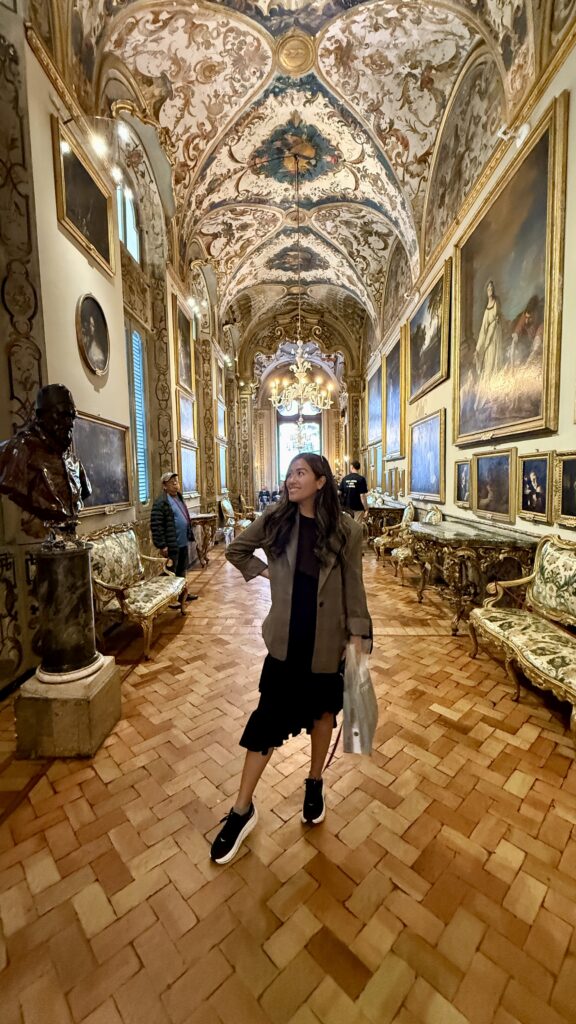
The Doria Pamphilj Gallery ended up being such a wonderful choice for this trip. You move through gilded galleries, private apartments, and the beautiful Hall of Mirrors, with works by Caravaggio, Titian, Raphael, and Velázquez along the way. It has all the grandeur you expect from Rome, while still feeling easy to explore at your own pace.

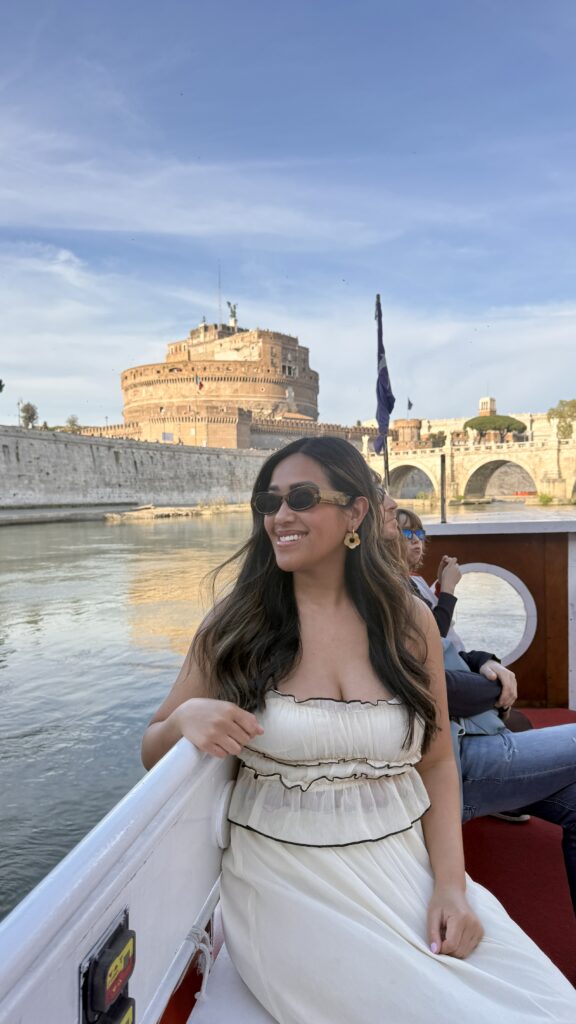
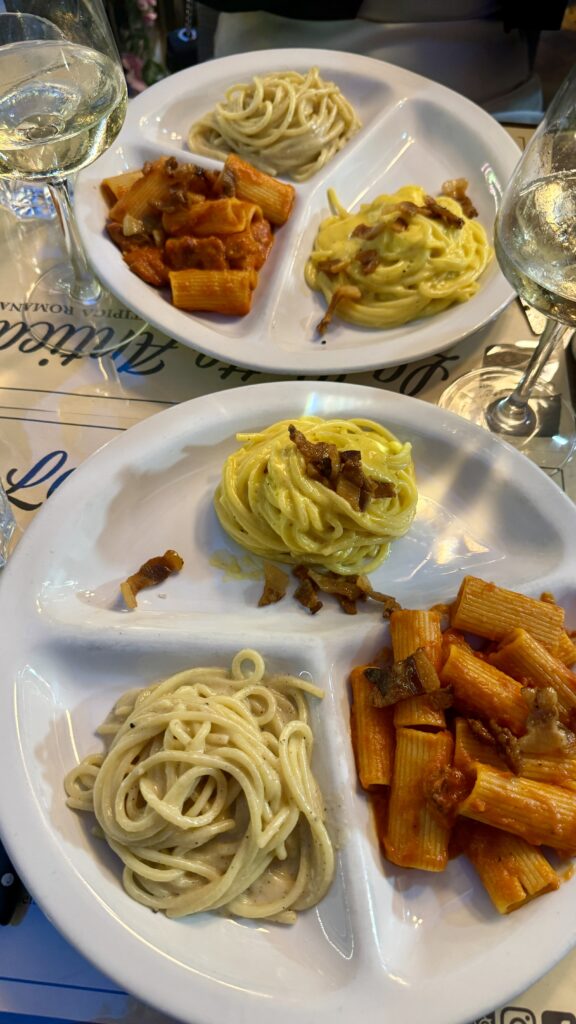
Go City also offers options that may include the Vatican Museums, Colosseum, Roman Forum, Pantheon, catacombs, cooking classes, guided tours, and other experiences. Check the current attraction list before choosing your pass, as availability may change.
You can also see how I used my pass on Instagram.
4. Have Dinner at Settimo Rooftop Restaurant
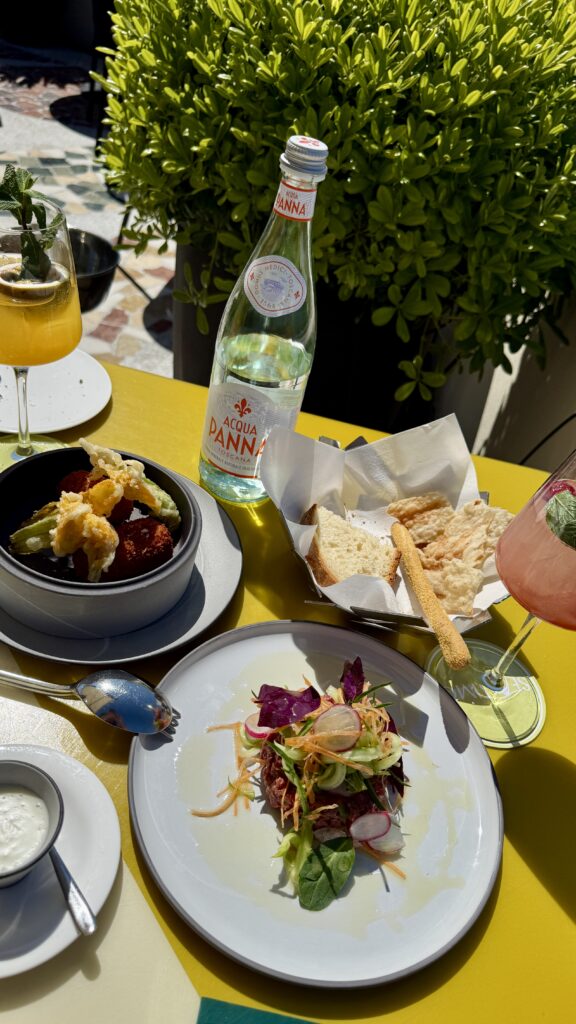
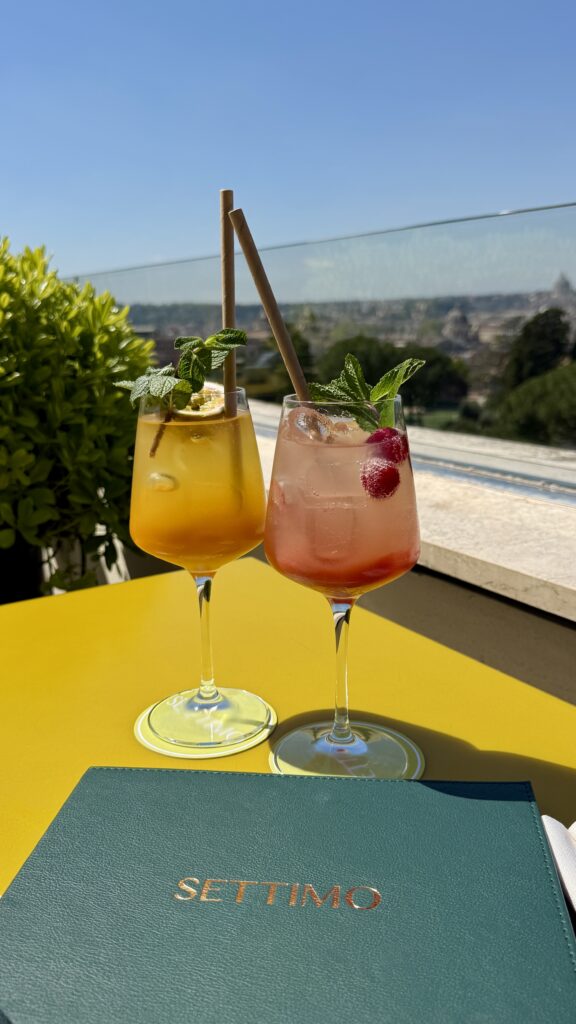
Settimo Roman Cuisine & Terrace is a beautiful rooftop restaurant with panoramic views across Rome. Located at the beautiful Sofitel Rome Villa Borghese, it’s the perfect spot for a romantic dinner, sunset drinks, or a special meal during your trip to Rome.
The menu focuses on fresh Italian food, and the atmosphere feels elegant without being overly formal. Between the food, rooftop setting, and city views, it was one of the most special meals from my trip.
If you can, book a table just before sunset so you can see the city in daylight, then watch the view shift as Rome begins to light up for the evening.
See more from my dinner at Settimo.
5. Visit the Orange Garden and Aventine Keyhole
For a change of pace from Rome’s busiest sights, head up to Aventine Hill, where the streets feel more residential and the city suddenly opens up around you.
The Orange Garden has one of the most scenic views over Rome, and just a short walk away, you’ll find the Aventine Keyhole, where St. Peter’s dome appears perfectly framed through a tiny opening in the doorway. I did not expect such a small keyhole to offer one of the most memorable views of the dome, perfectly positioned in the distance.
You can easily visit both together and then continue to Circus Maximus, the nearby ancient chariot-racing stadium.
6. Spend an Evening in Trastevere
Even if you do not stay in Trastevere, it is worth spending an evening there.
Walk through the side streets, stop for an aperitivo, and stay for dinner. Piazza di Santa Maria in Trastevere is one of the liveliest areas, but wandering away from the main square usually leads to quieter restaurants and more relaxed surroundings.
Where to Eat in Rome
Food is such a big part of the Rome experience, and honestly, some of my favorite moments came from simply sitting down with a plate of pasta and nowhere else to be.
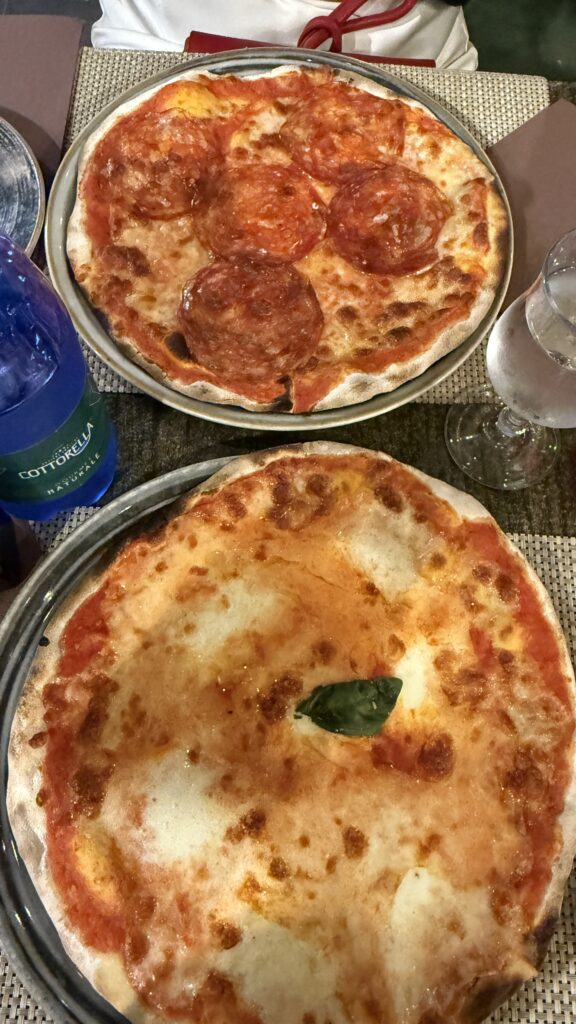
Between carbonara, cacio e pepe, amatriciana, supplì, pizza al taglio, and maritozzi, there is a lot to work through. I would not plan every single meal in advance, because part of the fun is stumbling upon a little trattoria or following the smell of something too good to walk past. That said, there are a few spots worth saving in advance.
Roscioli Salumeria con Cucina
Roscioli is part deli, part restaurant, with an impressive wine cellar added into the mix. It is especially known for classic Roman pasta dishes and high-quality Italian ingredients.
This is one place where I would definitely book ahead, because tables fill up quickly.
Armando al Pantheon
Just a few steps from the Pantheon, Armando al Pantheon is a long-standing, family-run restaurant that has been serving traditional Roman food since 1961.
It is a great place to stop for lunch while exploring Centro Storico, but it is also very popular, so make a reservation if you can.
Pizzarium Bonci
Pizzarium is known for Roman pizza al taglio, which is cut with scissors and sold by weight.
It is close to the Vatican Museums, so it works perfectly for a casual lunch when you have spent the morning sightseeing and need something easy but still delicious.
Gelateria del Teatro
For gelato near Piazza Navona, save Gelateria del Teatro.
You will find familiar favorites alongside more creative flavor combinations, which makes it hard to choose just one.
Getting Around Rome
Rome is one of those cities where walking never feels like simply getting from one place to another. Especially around Centro Storico, the route between attractions often takes you through beautiful piazzas, little side streets, and places you might never have found otherwise. Comfortable shoes are essential because the steps add up quickly!
When your feet need a break, the metro, buses, and trams are useful for longer distances. Taxis also come in handy at night or when you are traveling between neighborhoods that are not easily connected.
If you are flying into Fiumicino Airport, the Leonardo Express is one of the easiest ways to reach central Rome. The direct train takes around 32 minutes and brings you straight to Roma Termini, with departures generally running every 15 minutes.
If you want seamless and stress-free first day, book a private pick up via my favorite company, Kiwitaxi, you can use my code NANCY for a 5% discount. Book your Kiwitaxi ride here.
Compare and book trains from Fiumicino Airport to Roma Termini with Omio
Practical Rome Travel Tips
- Book the experiences you really care about early.
The Vatican Museums, Colosseum, popular restaurants, and smaller guided tours can fill up quickly. Rome is not the place where you want to discover that the one tour you were excited about is sold out for the entire week. - Check opening days before finalizing your plans.
Museums, restaurants, and smaller attractions may close on certain days, so it is worth checking before building an entire afternoon around one stop. - Bring a refillable water bottle.
Rome has public drinking fountains, known as nasoni, throughout the city. They are especially appreciated after several hours of sightseeing under the Italian sun. - Stay for at least three days.
Three days gives you enough time for the major landmarks, while four or five allows you to add tours, museums, and a few slower neighborhood experiences. - Dress appropriately for religious sites.
Churches and Vatican attractions require appropriate dress. Avoid sleeveless or low-cut tops, shorts above the knee, and miniskirts. Keeping a light scarf in your bag is useful for covering your shoulders.
Rome can feel like a lot when you first start planning because there is so much you could see, but that is also part of what makes the city so special. You do not have to experience all of it in one trip.
Choose the landmarks that matter most to you, then add a few experiences that help the city feel more personal. For me, the cooking class, Underground Rome tour, Go City activities, and rooftop dinner made this visit feel completely different from the ones before it.
That is what I love about Rome. Even when you think you know it, the city always finds a way to surprise you with another story, another view, or another meal you will still be thinking about when you get home.
If you are continuing through Italy, you can also explore my other guides for more ideas along the way.
I hope this Rome travel guide makes planning feel easier and helps you create a trip that feels exciting, memorable, and completely your own.