
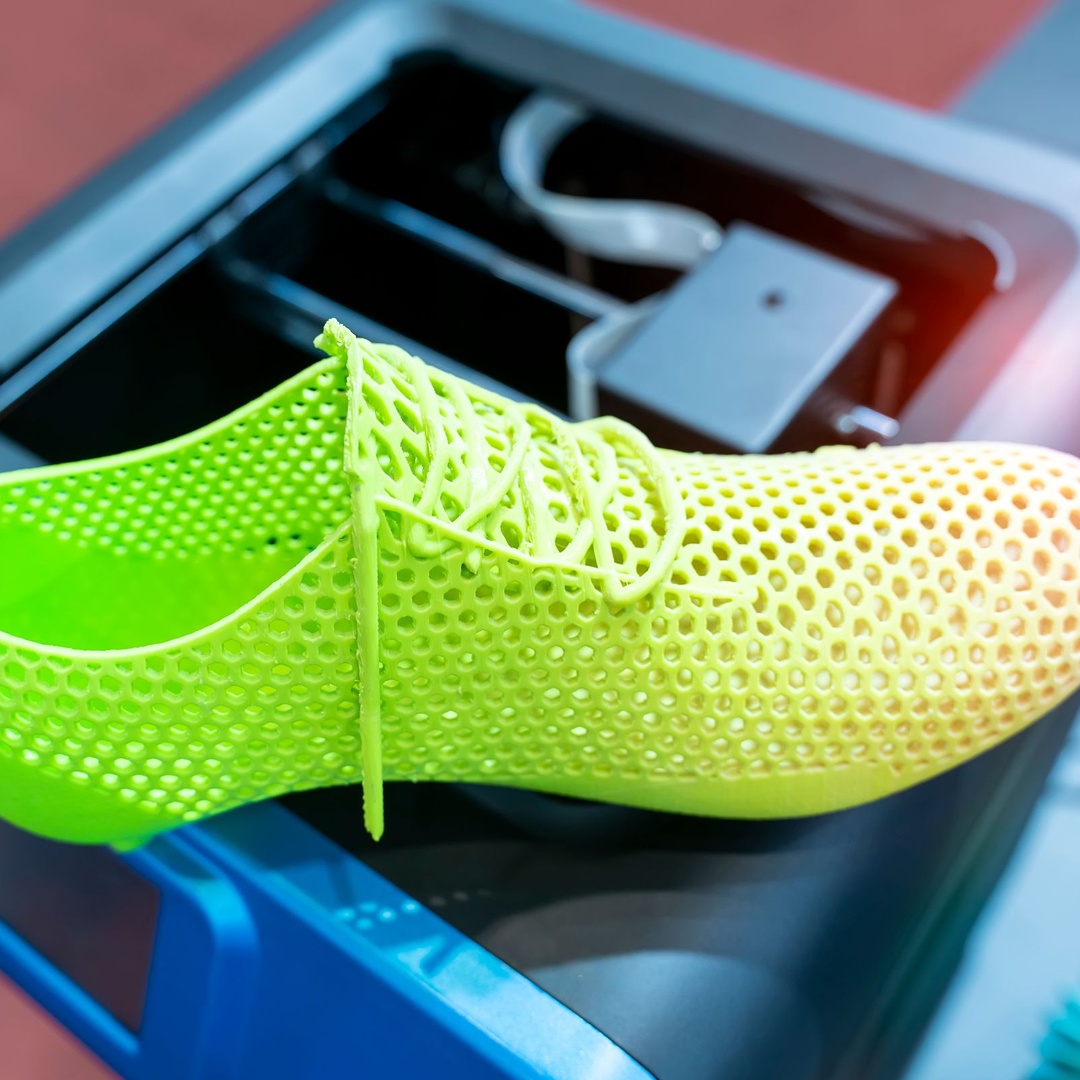
3D Printing: The New Frontier of Fashion
You’ve probably heard of 3D printing in the context of engineering labs or nerdy hobbies, but this tech is far more widespread than that. In fact, 3D printing is a new frontier of fashion. If you care about style, you’ll want to know what’s coming.
How 3D Printing Works in Fashion
To make 3D-printed fashion, designers upload a digital file, and a printer builds the apparel layer by layer using flexible materials. The printer follows the design with extreme precision, which means every curve, cutout, and texture comes out exactly as intended.
The process makes possible certain shapes and structures that are physically impossible to cut or sew. Some examples include geometric lattices, interlocking rings, or chainmail-style mesh that moves with your body.
Why Designers Are So Excited
3D printing gives designers so much more freedom. A traditional manufacturer would pass on complex designs because they’re too costly or time-consuming to produce by hand. A 3D printer doesn’t care about that. Complexity doesn’t add labor costs, so designers can experiment without the financial and time risk.
How Material Advancements Have Changed the Game
We have been 3D-printing garments for about 10 years now, and the earliest projects were pretty stiff and uncomfortable—basically wearable sculptures. That’s changed. New flexible filaments and thermoplastic polyurethane (TPU) materials move and bend the way clothing needs to.
However, the right material isn’t enough to make nice 3D-printed clothing. It’s also important to achieve perfect layer adhesion throughout the print, since weak bonding between layers causes structural failure in wearable pieces that bend while worn.
Where You’re Already Seeing the Trend
High fashion has been at the front of this 3D printing wave. An example is Iris van Herpen, a designer who has shown full 3D-printed collections on major runways.
But the technique is also available to consumers from major brands. For instance, Adidas made waves with its Futurecraft 4D shoe, which features a 3D-printed midsole engineered for specific performance zones in the foot.
Jewelry and accessories have seen heavy adoption, too. Intricate pieces that would take a jeweler hours to craft by hand can be printed in a fraction of the time with no loss in detail.
Where Fashion Is Headed
3D printing is the new frontier in fashion, and though it won’t replace traditional garment manufacturing, it will evolve and enhance our current options. As 3D printing materials improve and machines become more accessible, expect to see this technology move further from the runway and closer to your closet.