Fabric Art Hobbies That Are Good for Mindfulness
Stress affects everyone. We constantly look at screens, juggle responsibilities, and worry about the future. A creative hobby breaks that cycle effectively. Fabric arts provide a tactile way to center your thoughts and calm your mind. When you work with your hands, you ground yourself in the present moment. Here are a few textile crafts that naturally promote a state of mindfulness and relaxation.
The Rhythm of Cross-Stitch
Cross-stitch serves as an excellent entry point for mindful crafting. The process involves transferring a design onto a grid of fabric using x-shaped stitches. Because you follow a chart, your brain focuses on counting and pattern recognition rather than racing thoughts.
This repetitive motion creates a soothing rhythm. You push the needle up and pull it down. The simple, repetitive action calms the nervous system. You enter a flow state where time seems to disappear. Since the grid dictates where the needle goes, you make fewer decisions than in other art forms, which reduces decision fatigue. You simply follow the pattern and watch the image emerge one stitch at a time.
Finding Freedom in Embroidery
Embroidery allows for more creative expression than cross-stitch. You draw with thread on fabric. You might stitch flowers, geometric shapes, or abstract lines. This freedom encourages you to listen to your intuition. You focus on the texture of the thread and the tension of the fabric.
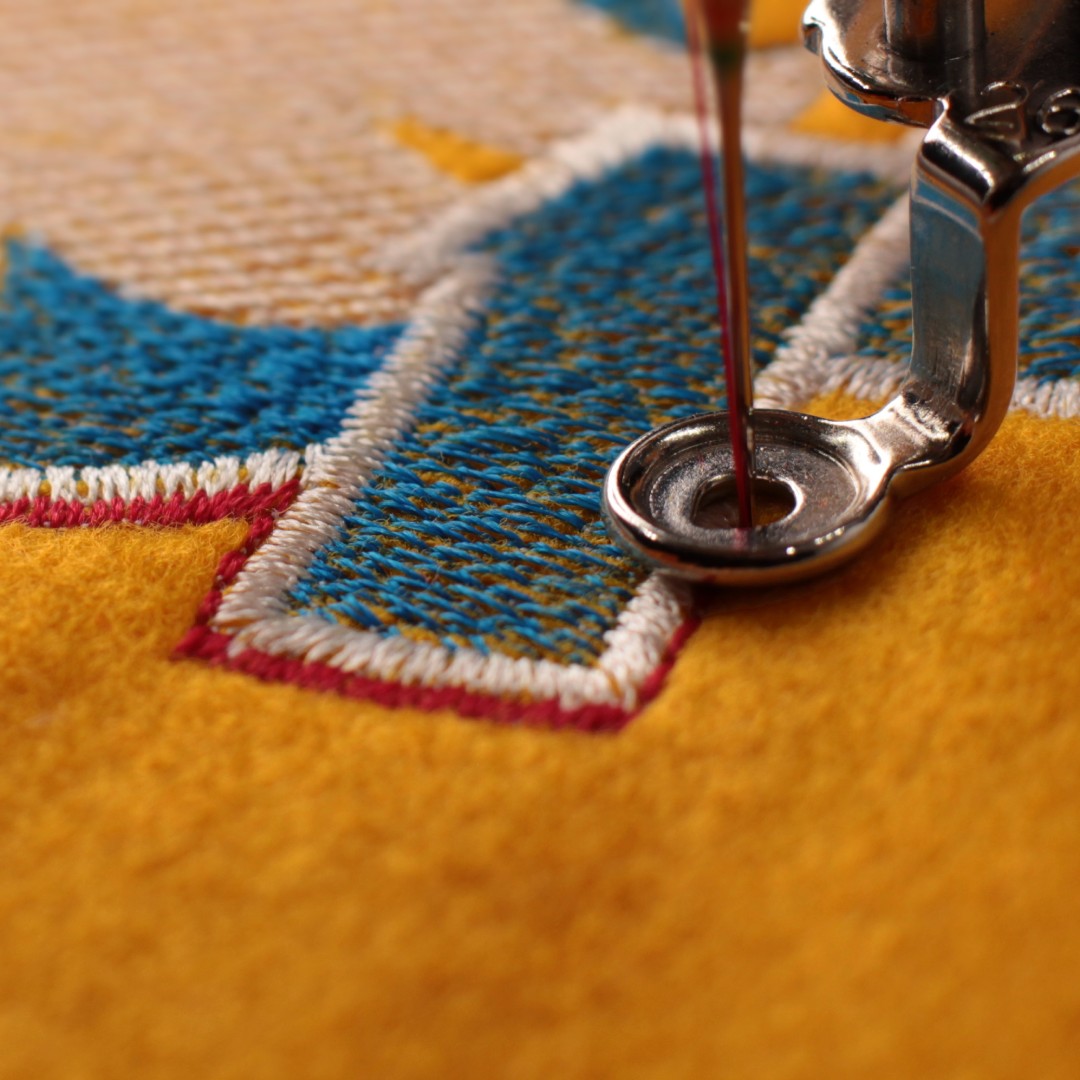
While hand embroidery connects you deeply to each loop and knot, some crafters prefer a different approach for larger projects. Getting an embroidery machine allows you to tackle bigger designs with precision while still enjoying the creative process of selecting colors and stabilizing fabrics. Both methods encourage you to focus entirely on the task at hand, blocking out external distractions.
Piecing it Together with Quilting
Quilting engages the mind through structure and order. You take small scraps of fabric and turn them into a functional, cohesive whole. The process requires attention to detail, which demands your full presence. You cannot worry about tomorrow’s meeting when you need to cut a precise 45-degree angle.
Quilting involves several mindful steps:
- Selecting harmonious color palettes
- Measuring and cutting fabric with precision
- Sewing consistent, straight seams
- Arranging blocks to create a unified design
This structural work satisfies the brain’s need for order. As you piece the quilt top together, you physically organize chaos into beauty. The final stage of quilting layers together gives you a heavy, comforting object that symbolizes warmth and care.
The Tactile Focus of Macramé
While technically a fiber art, macramé uses cord and knots to create textiles without needles or hooks. It relies entirely on your hands. You feel the texture of the cord as you tighten each knot. This sensory input grounds you immediately.
Macramé relies on repetition. You tie the same knot over and over to build a pattern. This builds muscle memory. Once you learn the basic knots, your hands take over, and your mind settles. The repetition acts like a mantra. You focus on the tension and the sequence. If your mind wanders, you might tie the wrong knot, so the craft gently nudges you back to the present moment.
Start Your Creative Journey
You do not need to be an expert to enjoy these mindful fabric art hobbies. The goal is the process, not perfection. Mistakes happen, and fixing them is part of the practice. Pick a medium that calls to you and gather some simple supplies. You will find that making something beautiful also makes you feel peaceful.
Image Credit: R_boe, #137836546