
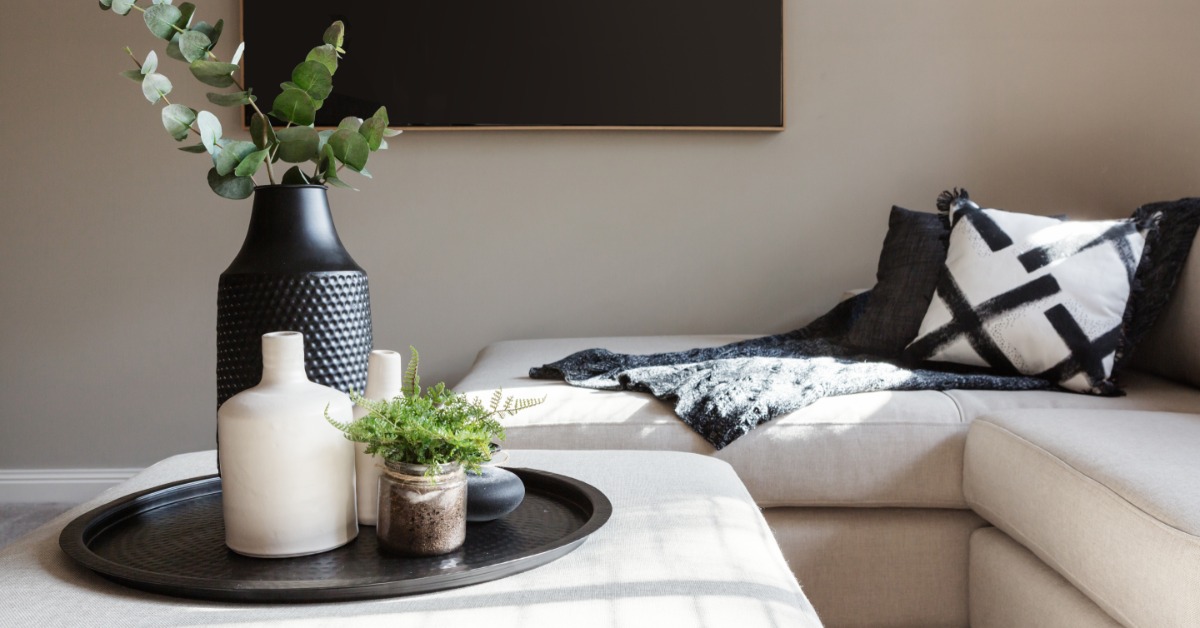
How To Create a Luxe Atmosphere Without a Full Remodel
A luxurious home doesn’t require knocking down walls, replacing every cabinet, or surviving three months of construction dust. Some of the most sophisticated interiors rely on thoughtful details, flattering lighting, beautiful textures, and a strong sense of cohesion. Instead of remodeling an entire room, focus on upgrades that change how the space looks and feels when you enter it. A few intentional choices can create that polished boutique-hotel energy without the boutique-hotel renovation bill. Here’s a closer look at how to create a luxe atmosphere without a full remodel.
Start With a More Refined Color Palette
Color sets the mood before furniture, artwork, or accessories get a chance to make an impression. Warm neutrals, earthy shades, deep jewel tones, and creamy whites can make an ordinary room feel more considered and sophisticated. You don’t need to repaint every wall either, because one accent wall or a carefully chosen collection of coordinating pieces can shift the entire atmosphere. Choose a palette with a few complementary tones and repeat them throughout the room for a more cohesive look.
If your current space feels visually busy, simplifying the palette can make an especially dramatic difference. Luxury interiors often feel calm because every color seems to have a reason for showing up. Match smaller details—such as pillows, throws, lamps, artwork, and decorative objects—to your broader palette rather than collecting unrelated trends. Think curated wardrobe rather than overflowing clearance rack, and your room will immediately feel more intentional.
Layer Your Lighting for Instant Ambience
Nothing ruins a potentially gorgeous room faster than one aggressive overhead light glaring down from the ceiling. Layered lighting creates depth and lets you adjust the mood depending on the time of day, activity, or occasion. Combine overhead fixtures with table lamps, floor lamps, wall lighting, candles, or accent lights around architectural features. Warm, softly distributed light generally creates a more intimate atmosphere than relying on one bright source.
You can also use lighting to draw attention toward the most attractive areas of the room. Place a lamp near beautiful artwork, illuminate shelving, or use accent lighting to emphasize texture on a wall or fireplace surround. Dimmer switches and smart bulbs make these adjustments especially easy without requiring a major electrical project. Suddenly, Tuesday night leftovers can happen under lighting that suggests you have reservations somewhere fabulous.
Make the Fireplace a Stylish Focal Point
A fireplace naturally attracts attention, so treat it as part of the room’s design rather than merely a functional feature. Electric fireplaces offer plenty of styling flexibility because homeowners can coordinate the surrounding area with artwork, shelving, decorative objects, and comfortable seating. Exploring the must-have accessories for electric fireplaces can also help you add visual character and practical finishing touches without replacing the entire feature. The goal involves creating a complete vignette that looks deliberate from the mantel to the surrounding furniture.
Avoid covering every available inch with decorations, since too many accessories can quickly dilute the upscale effect. Choose a few substantial pieces instead of a crowd of tiny objects that compete for attention. A large mirror, framed artwork, sculptural vase, or pair of elegant candleholders can provide enough visual interest. Leaving some open space gives each element room to stand out and creates the relaxed confidence associated with high-end interiors.
Bring in Richer Textures
Texture can make a room feel expensive even when individual pieces come from surprisingly affordable sources. Velvet, linen, boucle, leather, wool, wood, stone, and brushed metal all introduce visual depth without requiring structural changes. Mix smooth and tactile finishes so that the space feels layered rather than overly coordinated. The contrast between materials often creates more interest than adding another bright color or decorative pattern.
Soft furnishings provide one of the easiest ways to experiment with this idea. Replace flat throw pillows with textured covers, add a substantial blanket to the sofa, or introduce a rug with enough weight and dimension to anchor the room. Curtains can also transform a space when you choose fabric with an elegant drape and enough length to reach the floor. These changes create softness while making existing furniture look considerably more polished.
Upgrade the Details You Touch Every Day
Small fixtures often reveal the age or quality of a room faster than major furniture does. Cabinet handles, drawer pulls, light switches, faucets, door hardware, and curtain rods may seem insignificant individually, but together they shape the overall impression. Replacing mismatched or dated pieces can create a cleaner visual language throughout your home. Best of all, many of these upgrades require little more than basic tools and a free afternoon.
Start with the details that appear most frequently throughout your space, such as:
- Replace worn cabinet hardware with cohesive modern pieces
- Upgrade plastic soap dispensers with refillable decorative containers
- Choose substantial trays to organize everyday essentials
- Swap tired lampshades for cleaner contemporary shapes
- Replace mismatched hangers in open closets or dressing areas
- Use coordinated frames for prominently displayed photographs
- Hide visible cords whenever you can do so safely
These changes work because luxury often comes from consistency rather than extravagance. When practical objects look coordinated, the room feels calmer and more thoughtfully designed. You can make upgrades gradually instead of purchasing everything at once. Prioritize highly visible details first, then refine less noticeable areas as your budget allows.
Reduce Visual Clutter Before Buying More
Sometimes the cheapest luxury upgrade involves removing things rather than adding them. Visible cables, overflowing shelves, stacks of mail, excessive countertop appliances, and miscellaneous packaging can make even beautiful interiors feel chaotic. Invest in attractive storage solutions that keep necessities accessible without forcing them into your visual field all day. Baskets, closed cabinets, decorative boxes, drawer organizers, and trays can bring immediate order to busy areas.
Decluttering doesn’t require creating a sterile home that looks like nobody actually lives there. Keep meaningful photographs, favorite books, travel souvenirs, and objects that reflect your personality. Simply give those items enough space to register as intentional choices instead of disappearing into visual noise. A luxe home can still feel warm, funny, personal, and unmistakably yours.
Elevate What You Already Have
Creating a luxe atmosphere without a full remodel is entirely possible. Lighting, textiles, hardware, window treatments, thoughtful styling, and better organization can completely change the experience of an existing room. Focus on cohesion and comfort first, then invest gradually in details that make the biggest visual or practical difference. The most convincing luxury often comes from making everyday life feel a little more beautiful rather than simply spending more money.
IMG Credit: 167423671 by Jodie Johnson