
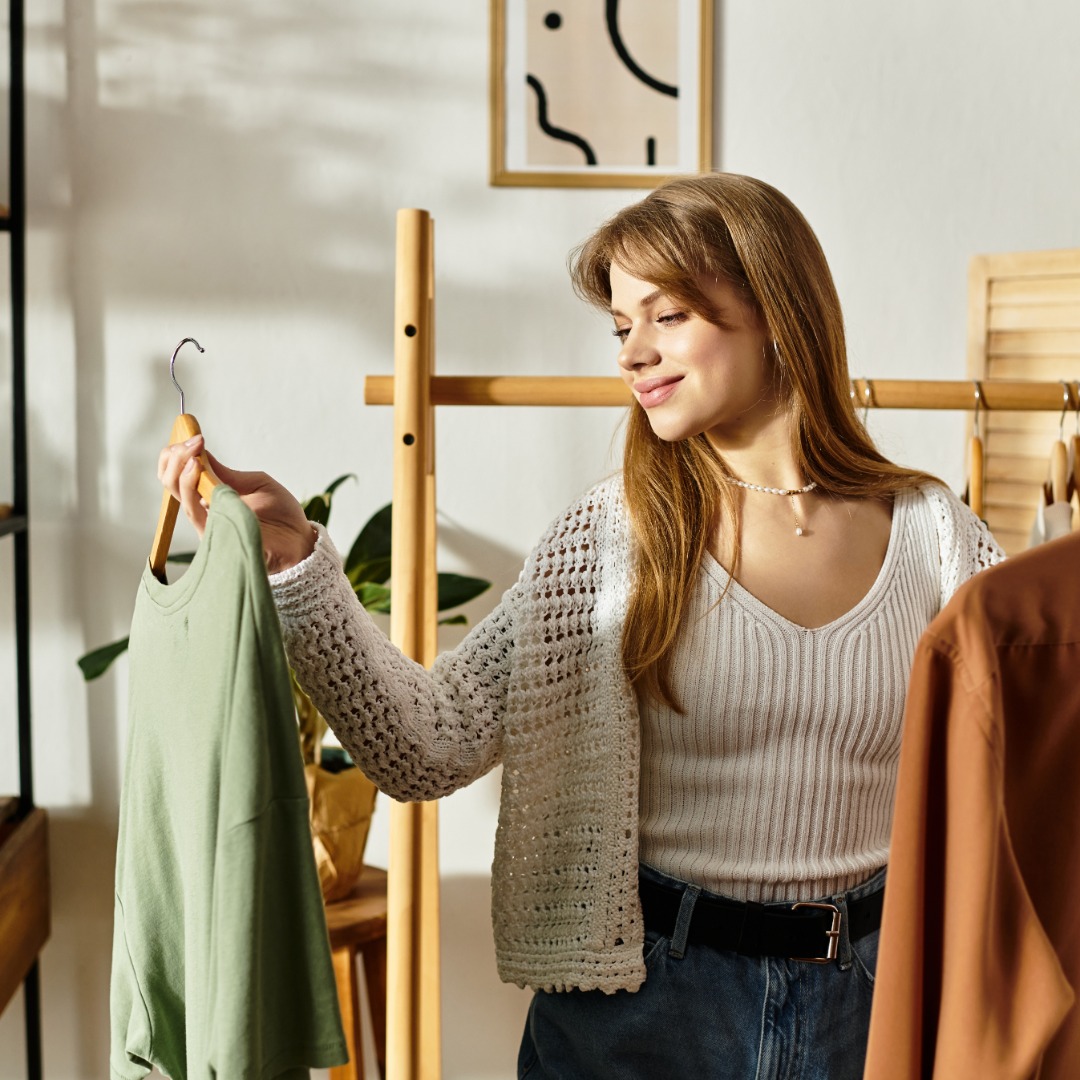
Build a More Sustainable Wardrobe Without Sacrificing Style
A closet full of clothes can still leave you feeling like you have nothing to wear. Buying something new every time that happens may seem like the easiest solution, but a few thoughtful changes can make your current wardrobe feel much more versatile. Learning how to build a more sustainable wardrobe without sacrificing style is less about following rigid fashion rules and more about choosing and caring for clothes with greater intention. Use these tips to get more from the pieces you already own while creating a polished and personal wardrobe.
Start With What You Already Own
Before adding anything new, take a closer look at the clothes already hanging in your closet. Pieces that seem uninspiring on their own can feel completely different when they’re paired with new combinations or accessories. Sometimes a wardrobe refresh comes from styling what you have rather than shopping for something else.
Try these styling tips to give familiar clothes a fresh feel:
- Pair an older basic with one statement accessory so the outfit feels more intentional.
- Experiment with layering dresses, button-down shirts, and lightweight knits in combinations you haven’t tried before.
- Change an outfit’s proportions by tucking, cuffing, belting, or layering pieces differently.
- Create several outfits around one rarely worn item before deciding whether it truly belongs in your closet.
Repair Clothes Before Replacing Them
Fixing minor damage early can keep clothing wearable for much longer. It can also preserve the polished look that made you like the piece in the first place.
Many common fixes, such as replacing a button, closing a seam, or securing a hem, are fairly simple to learn. A basic sewing skill can often restore a garment without requiring professional alterations. These small fixes are especially worthwhile when a piece is difficult to replace because of its fit, color, or fabric.
Choose Quality Over Fast Fashion
When you do need something new, choosing thoughtfully can make it easier to build a more sustainable wardrobe without sacrificing style. Focus on pieces that fit your life, work with what you already own, and are likely to stay in rotation.
Look Beyond the Price Tag
A higher price doesn’t always guarantee better quality. Take a closer look at how the garment is made before deciding whether it’s worth adding to your wardrobe. Secure seams and sturdy details can be good signs that a piece will hold up over time. Paying attention to construction can make it easier to avoid clothing that wears out after only a few uses.
Choose Pieces You’ll Actually Wear
Think about how often you’re likely to wear a garment before bringing it home. A versatile piece that works with several outfits will usually offer more value than something tied to a short-lived trend.
Tailor Pieces for a Better Fit
Sometimes the problem with a garment isn’t its style but the way it fits. Adjusting a hem, taking in a waist, shortening a strap, or refining a sleeve can completely change how a piece looks and feels. Tailoring is especially worthwhile for clothing made from good fabric or items with details you already love.
More complicated alterations are often best left to a professional, but smaller adjustments may be manageable at home. Before giving away an item that feels almost right, consider whether one focused change could make it more flattering or comfortable. Clothes that fit well are generally easier to style, which means they’re also more likely to become part of your regular rotation.
Tailor to Update Older Styles
Alterations can do more than fix fit issues. Changing the length of a skirt, narrowing a trouser leg, or reshaping a jacket can give an older piece a more current feel. These updates can extend the life of clothing that still has strong fabric and construction. It’s a practical way to refresh your wardrobe without starting over.
Upcycle Clothing Into Something New
Clothing that’s stained, outdated, or no longer flattering can sometimes become an accessory, a casual basic, or even material for an entirely different project. Upcycling gives you another option when repairing or donating an item no longer feels practical. If you want to become more comfortable finishing fabric edges, try doing projects to practice serger skills.
Here are a few approachable ways to reuse clothing and fabric:
- Turn an oversized shirt into a cropped top or relaxed layering piece.
- Use leftover fabric to make hair accessories, reusable cloths, or small drawstring bags.
- Transform a dress you no longer wear into a skirt if the lower portion still fits well.
- Repurpose soft, worn clothing into household textiles instead of discarding it immediately.
Shop Secondhand With Style in Mind
Secondhand shopping can add variety to your wardrobe without relying entirely on newly produced clothing. The key is to use the same standards you would use anywhere else, rather than buying something simply because the price is appealing. Look for colors, silhouettes, and fabrics that already work with what you own.
It can also be useful to keep a short list of wardrobe gaps before you start browsing. Maybe you need a structured blazer, a dependable pair of jeans, or a neutral sweater that works with several outfits. Having a little direction can make secondhand shopping feel more curated and less likely to add unnecessary clutter.
Care for Clothes More Thoughtfully
How you clean and store clothing affects how long it stays in good condition. A few consistent care habits can preserve fit, color, and fabric quality.
Follow these guidelines to take care of your clothing:
- Follow care labels so each garment is washed and dried as recommended.
- Wash clothes only when needed to reduce unnecessary wear on the fabric.
- Use gentler wash settings when appropriate to protect color and shape.
- Air-dry delicate items or fabrics that may shrink in high heat.
- Treat stains quickly so they’re less likely to become permanent.
- Fold knitwear instead of hanging it to prevent stretching.
- Store seasonal pieces in a clean, dry place to protect them between wears.
A great wardrobe doesn’t have to be built around constant newness. When you become more selective about what you buy and more creative with what you already own, getting dressed is more satisfying. Over time, those choices can shape a closet that reflects your taste instead of every passing trend. Make sustainable style your signature.
Image Credentials: Adobe Stock royalty-free image #1330333800