
Cultural Landmarks With Fascinating Origin Stories
The most fascinating cultural landmarks pair legend with real history. Stonehenge pairs the myth of Merlin with Neolithic astronomy; the Taj Mahal marries the grief monument with the Black Taj myth; and Giant’s Causeway explores Finn McCool in relation to volcanic basalt. The backstory changes how you experience each site. Let these cultural landmarks with fascinating origin stories serve as inspiration for your next adventure.
The Most Fascinating Origin Stories Behind Famous Landmarks
The best origin stories layer myth over verified fact, with the legend explaining what people believe and the history revealing what actually happened.
Some standouts worth building a trip around are Stonehenge, Giant’s Causeway, the Taj Mahal, Chichén Itzá, and Machu Picchu. Each carries a story that reframes the visit.
What Is the True Origin Story of Stonehenge?
Neolithic builders raised Stonehenge about 5,000 years ago, aligned to the summer and winter solstices. Legend says Merlin moved the stones from Ireland to heal wounded warriors. Archaeologist Mike Parker Pearson links some bluestones to a dismantled Welsh stone circle, which is possibly the “Giants’ Dance” of old tales.
Travelers should visit at solstice to watch the sunrise line up through the stones. This is the same event that Stonehenge’s builders originally tracked.
The Legend of the Giant’s Causeway in Northern Ireland
Folklore credits the Irish giant Finn McCool with building the causeway to fight his Scottish rival, Benandonner. But geology tells an even cooler story. Roughly 40,000 interlocking basalt columns formed Giant’s Causeway from lava cooling 50 to 60 million years ago. Try pairing Stonehenge and Giant’s Causeway on a magical visit to the UK.
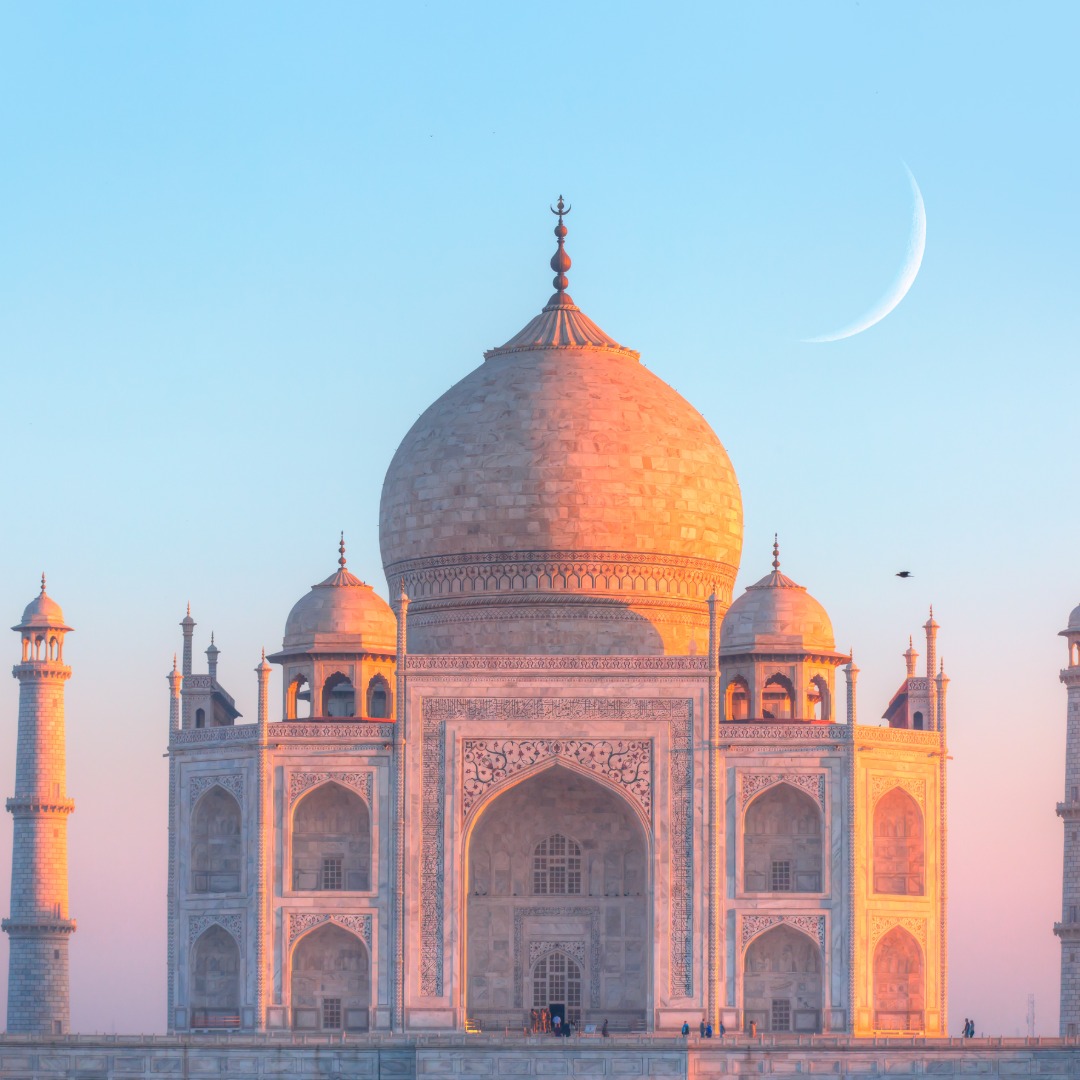
The Taj Mahal and the Black Taj Myth
Emperor Shah Jahan built the Taj Mahal in the 1600s as a mausoleum for his wife Mumtaz Mahal, who died in childbirth. The Black Taj myth claims he planned an identical black-marble tomb across the river for himself. Historians trace that story to 17th-century European travelers who misread the white marble’s dark river reflection. No black marble ruins have surfaced.
Which Landmarks Reward Travelers Who Time Their Visit?
Some landmarks gift travelers with unique experiences, including:
- Chichén Itzá: At the spring and fall equinoxes, the sun casts a shadow down the El Castillo staircase, forming a descending serpent. This is an intentional Maya design.
- Stonehenge: Its solstice alignment draws crowds at sunrise every year.
FAQ
Which world landmarks have the biggest gap between myth and real history?
Stonehenge, Giant’s Causeway, and the Taj Mahal each carry a widely believed legend—Merlin’s magic, a giant’s crossing, a black mirror mausoleum—that history or science contradicts.
How was Machu Picchu discovered and why was it abandoned?
Built for Inca emperor Pachacuti in the 15th century, it was abandoned around the Spanish conquest and unknown to the outside world until Hiram Bingham reached it in 1911.
What causes the Chichén Itzá serpent shadow?
During the equinoxes, the setting sun hits El Castillo’s stepped edges, casting a zigzag shadow that connects to a carved serpent head at the base.