
Ultimate Tokyo Travel Guide: What to See, Tips & Where to Stay (UPDATED 2026)

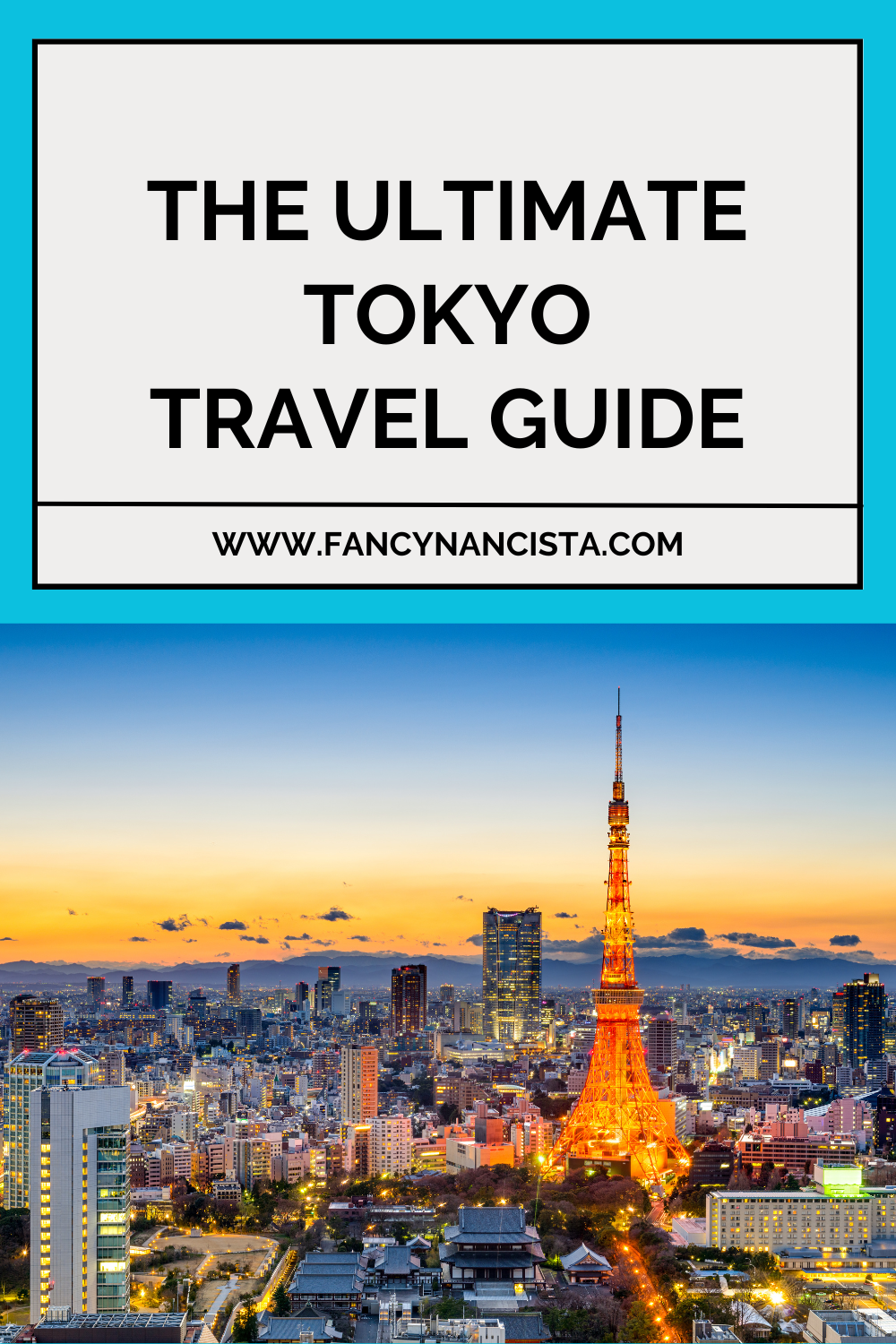
Tokyo is one of those cities that completely lives up to the hype. Neon-lit skyscrapers sit right next to centuries-old shrines, the trains run like clockwork, and you can have an incredible meal at a tiny 8-seat counter or grab a surprisingly good egg sandwich from 7-Eleven. In this Tokyo travel guide, I’m sharing everything you need to plan your trip: the best time to visit, how to get around, where to stay, the best places to visit, my favorite shrines and temples, food tours worth booking, easy day trips, and my top Tokyo travel tips.
Best Time to Visit Tokyo
Tokyo is a year-round destination, but the season you pick makes a big difference:
- Spring (late March to early April): Cherry blossom season is magical, but it’s also the busiest and most expensive time to visit, so book hotels early!
- Autumn (October to early December): One of the best times to go. The weather is comfortable, and the fall foliage usually peaks in late November.
- Summer (June to August): Hot and humid, with rainy season from roughly June to mid-July, but you’ll get fun summer festivals and fireworks.
- Winter (December to February): Cold but usually dry and sunny, with fewer crowds and clearer views of Mt. Fuji.
My tip: Try to avoid Golden Week (late April to early May) and the New Year holidays, when locals travel too and prices go up.
How Many Days Do You Need in Tokyo?
For a first trip, I’d plan at least 4 to 5 days in Tokyo. That gives you time to explore the main neighborhoods (Shinjuku, Shibuya, Harajuku, Asakusa, and Ginza) without rushing, plus a day trip to Hakone, Kamakura, or Mt. Fuji. If Tokyo is part of a bigger Japan trip, 3 days covers the highlights. Visiting Osaka and Kyoto too? Check out my 10-Day Japan Itinerary.
Getting from the Airport to Tokyo
Tokyo has two international airports, and which one you fly into makes a big difference:
- Haneda Airport (HND): The closer and easier option, only about 30 minutes from central Tokyo. Take the Keikyu Line to Shinagawa or the Tokyo Monorail to Hamamatsucho, and just tap in with your Suica. Taxis from Haneda are also much more reasonable than from Narita if you’re arriving late or with lots of luggage.
- Narita Airport (NRT): About an hour or more from the city. The Narita Express (N’EX) goes straight to Tokyo Station, Shinjuku, and Shibuya, while the Keisei Skyliner is the fastest way to Ueno (handy if you’re staying in Asakusa). The Airport Limousine Bus is another easy option that stops at many major hotels.
Getting Around Tokyo: Suica Card vs. Tokyo Subway Pass
Tokyo’s public transportation system is incredibly efficient, and I highly recommend picking up a Suica card as soon as you arrive. You can get a Welcome Suica at Narita or Haneda Airport (no deposit required), or simply add a digital Suica to your Apple Wallet before your trip. Then, just load it with funds as needed and tap in and out on trains, subways, and many buses. You can even use it at convenience stores, vending machines, and some restaurants.
If you plan on spending most of your time exploring Tokyo by subway, another great option is the Tokyo Subway Ticket (Tokyo Metro Pass), which offers unlimited rides on Tokyo Metro and Toei Subway lines for 24, 48, or 72 hours. Depending on your itinerary, this can be a great way to save money.
My tip: If you’re exploring only Tokyo, compare the cost of a 72-hour subway pass with your expected travel. If you’re taking a mix of JR trains and subways or planning day trips outside the city, a Suica card usually offers the most flexibility. Hakone is an easy trip from the capital, and 12Go lists the train and bus options for getting from Tokyo to Hakone so you can choose by travel time and price.
Tokyo’s efficient public transportation system makes exploring the city convenient. Here are some key options:
- Subways & Trains:
- Tokyo Metro: An extensive subway network covering major areas. (You can buy a 24, 48, or 72 pass here) – [code FANCYNANCISTAKLOOK at checkout] and buy a Suica card here
- JR Yamanote Line: A circular train line connecting neighborhoods like Shibuya, Shinjuku, and Tokyo Station.
- Shinkansen (Bullet Trains): Ideal for day trips to nearby cities such as Yokohama. You can easily browse bullet train tickets here! [code FANCYNANCISTAKLOOK at checkout]
- The JR Pass offers unlimited travel on Japan Railways trains, including Shinkansen bullet trains, making it a cost-effective and flexible option for tourists exploring multiple cities across Japan. It’s ideal for long-distance travel, saving you money while offering convenience and freedom. If you are considering on a JR Pass, it must be ordered online prior to your visit. Buy it here! [code FANCYNANCISTAKLOOK at checkout]
- Taxis: While available, taxis can be expensive. Uber operates in Tokyo but is less common; consider downloading the JapanTaxi app for easier bookings.
Where to Stay in Tokyo
Tokyo offers diverse neighborhoods, each with its unique charm. Here are some recommendations:
My tip: If it’s your first time in Tokyo, stay in Shinjuku or Shibuya. Both are major transport hubs with tons of food, shopping, and nightlife, so it’s easy to get anywhere in the city. Asakusa is quieter and more traditional, and a good pick if you want a slower pace.
Shinjuku
A vibrant district known for its neon lights, shopping, and entertainment.
- Budget ($):
- Nine Hours Woman Shinjuku: A popular women-only capsule hotel.
- Rembrandt Cabin Shinjuku Shin-Okubo: Another well-reviewed capsule option.
- Moderate ($$):
- APA Hotel Higashi-Shinjuku Kabukicho Tower: A reputable hotel chain offering affordable and central accommodations.
- Luxury ($$$):
- Kimpton Shinjuku Tokyo: A luxury hotel known for exceptional service.
Shibuya
Famous for the iconic Shibuya Crossing and vibrant youth culture.
- Budget ($):
- The Millennials Shibuya: A trendy capsule hotel popular among travelers.
- Moderate ($$):
- APA Hotel Shibuya Dogenzakaue: Offers comfortable rooms in a convenient location.
- Luxury ($$$):
- Hyatt House Tokyo Shibuya: Provides upscale accommodations with modern amenities.
Asakusa
Known for the historic Senso-ji Temple and traditional shopping streets.
- Budget ($):
- MyCUBE by MYSTAYS Asakusa Kuramae: A spacious and clean capsule hotel with ample luggage space.
- Moderate ($$):
- Hotel Wing International Select Asakusa Komagata: Offers comfortable stays near major attractions.
Best Places to Visit in Tokyo
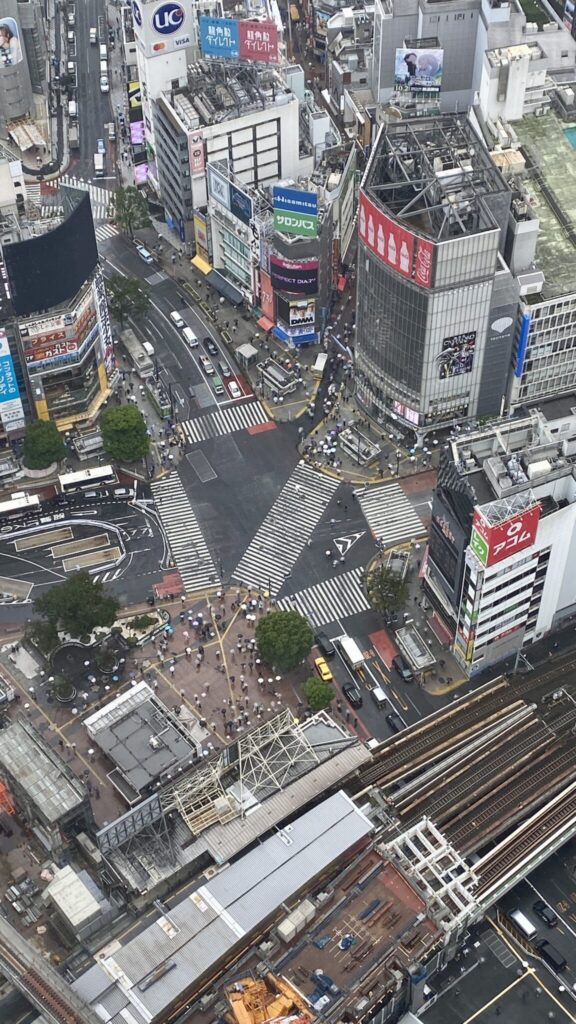
- Shibuya Crossing: Experience the world’s busiest pedestrian crossing, a symbol of Tokyo’s vibrant energy.
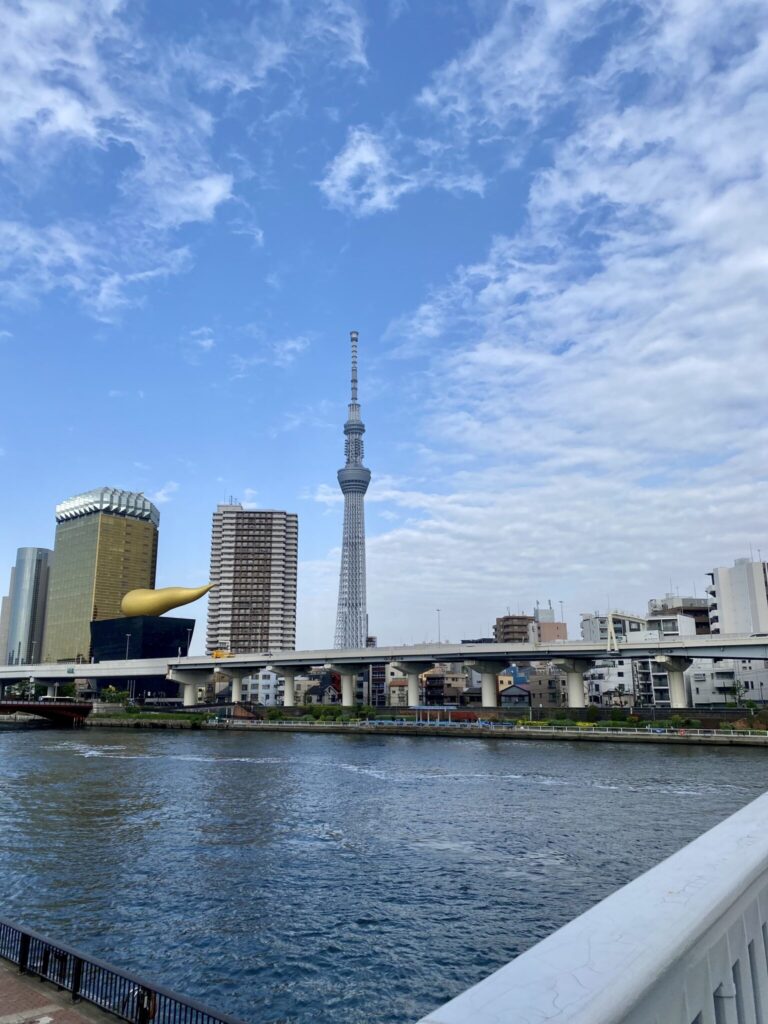
- Tokyo Skytree: Visit the tallest structure in Japan for panoramic city views. 👉🏽 Book here
- Use code FANCYNANCISTAKLOOK for a discount!
- Use code FANCYNANCISTAKLOOK for a discount!
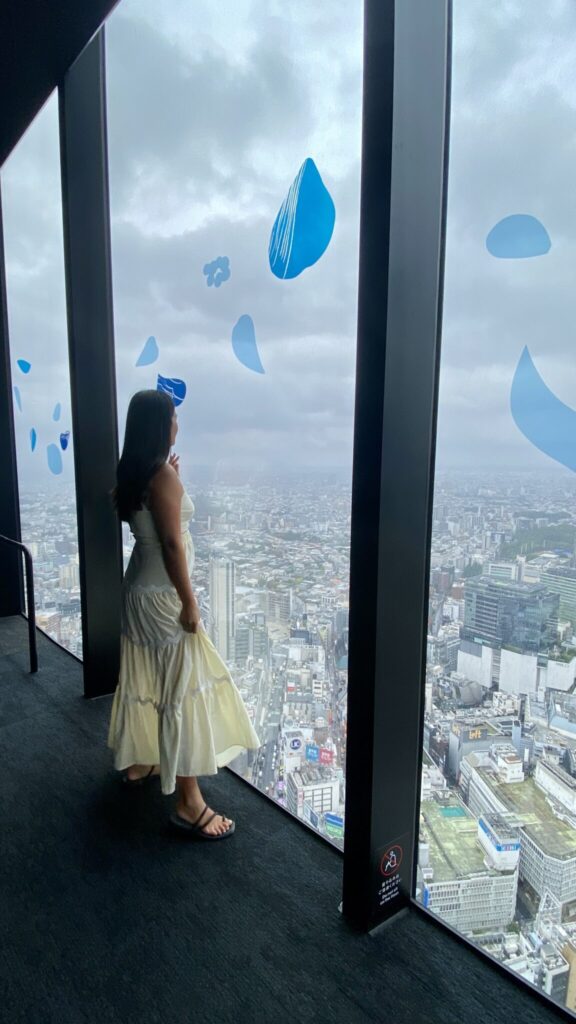
- Shibuya Sky: The open-air rooftop deck on top of Shibuya Scramble Square, with 360° views over the city (and Mt. Fuji on a clear day). Sunset slots sell out fast, so book ahead. 👉🏽 Book here
- Use code FANCYNANCISTAKLOOK for a discount!
- Use code FANCYNANCISTAKLOOK for a discount!
- Tsukiji Outer Market: Explore this bustling market known for fresh seafood and local delicacies. 👉🏽 Book here for a guided tour! Use code FANCYNANCISTA for a discount!
- teamLab Planets & teamLab Borderless: Immersive digital art museums that are just as fun in person as they look online. At teamLab Planets in Toyosu, you’ll even walk barefoot through water. Book a timed ticket in advance.
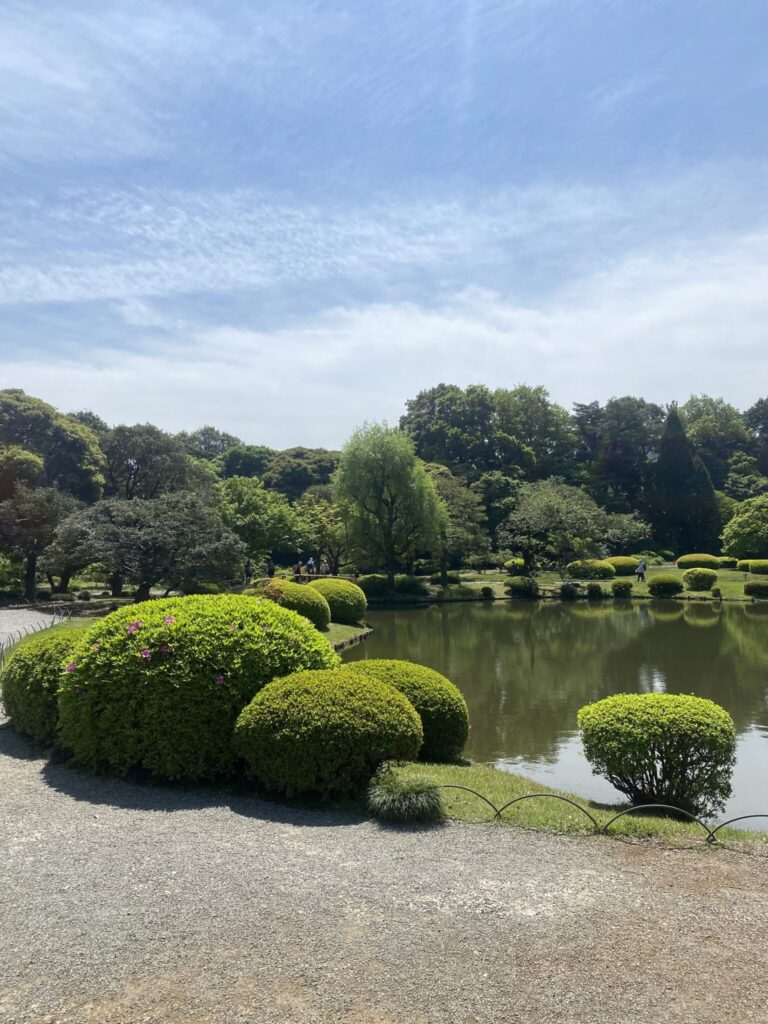
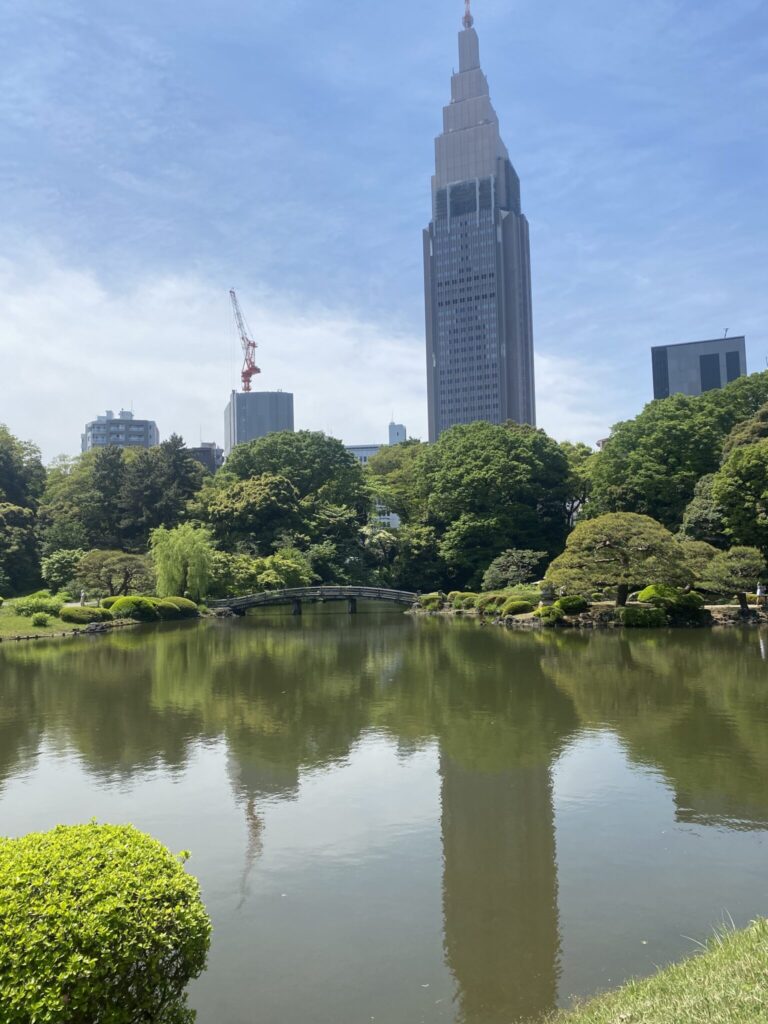
- Shinjuku Gyoen National Garden: One of the best spots in the city for cherry blossoms and fall leaves, with traditional Japanese, English, and French-style gardens.
- Harajuku & Takeshita Street: Colorful street fashion, crepes, and quirky shops. Walk over to Omotesando for high-end boutiques and cafés, and Meiji Jingu is right next door.
- Akihabara: Tokyo’s “Electric Town” for anime, manga, retro video games, and multi-floor arcades. A must for any fellow game nerds!
- Golden Gai (Shinjuku): A maze of narrow alleys packed with around 200 tiny bars, many seating only a handful of people. It’s perfect for intimate drinks and chatting with the bartenders and locals. Some bars charge a cover fee and a few are regulars-only, so check the signs on the door.
- Omoide Yokocho (Shinjuku): Also known as “Memory Lane,” a smoky little alley of yakitori stalls near Shinjuku Station. Great for a casual dinner before heading to Golden Gai.
- Ginza: Tokyo’s upscale shopping district, with flagship stores, department store food halls (depachika), and some of the city’s best sushi.
- Tokyo Tower: The classic orange tower is especially pretty lit up at night. Pair it with a visit to Zōjō-ji Temple at its base.

Best Temples and Shrines to Visit in Tokyo
Tokyo’s temples and shrines are some of my favorite places in the city. Here are the most popular ones, plus a few unique spots I’ve visited.
Popular Shrines and Temples
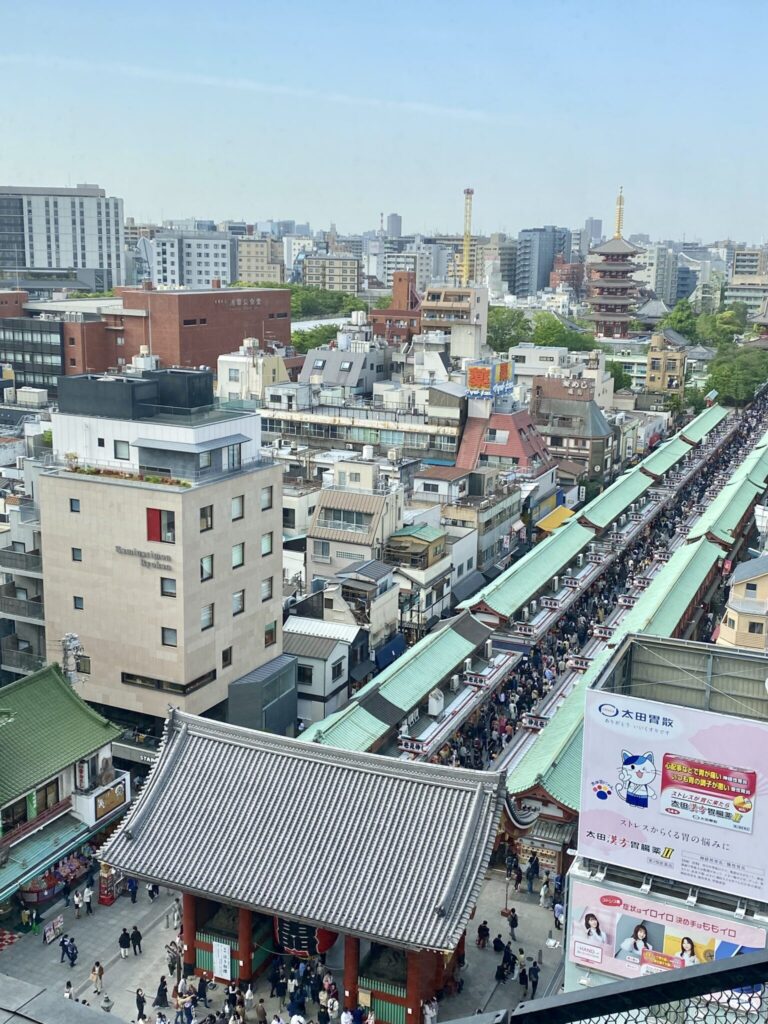
- Sensō-ji Temple (Asakusa): Tokyo’s oldest temple, founded in 628. Walk through the giant red Kaminarimon (Thunder Gate) and down Nakamise Street for snacks and souvenirs. Go early in the morning or at night, when it’s lit up and much quieter.
- Asakusa Shrine: Right next to Sensō-ji, this Shinto shrine is easy to miss but worth a stop. It survived the WWII air raids and hosts the lively Sanja Matsuri festival every May.
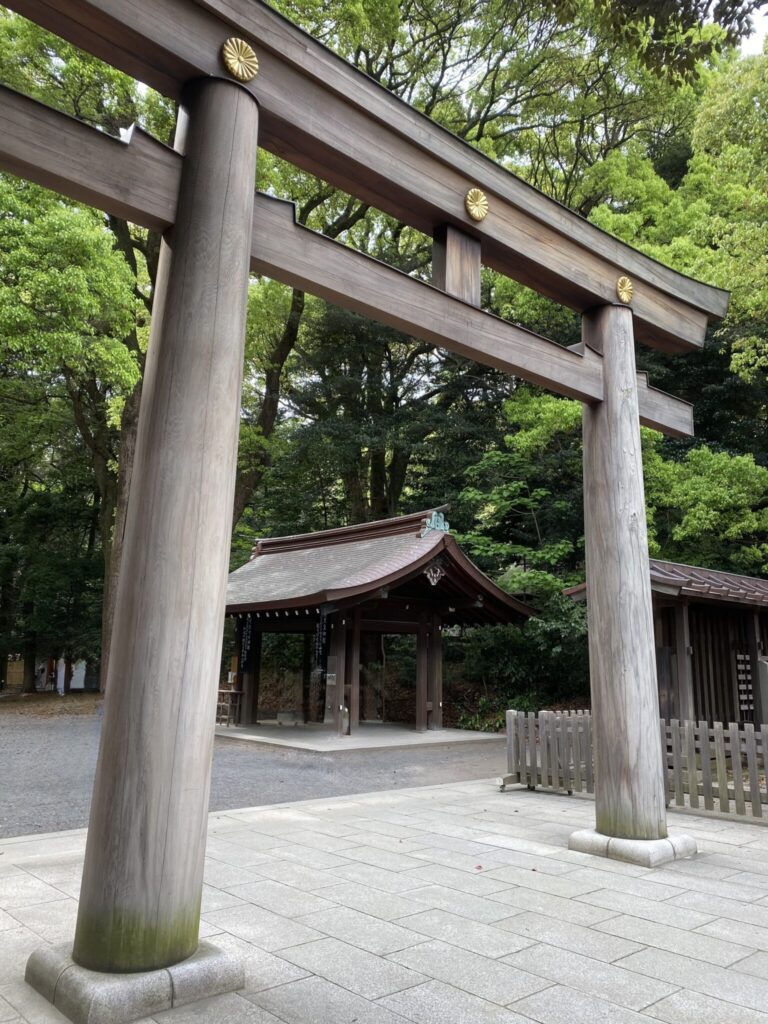
- Meiji Jingu Shrine (Harajuku): A peaceful Shinto shrine dedicated to Emperor Meiji and Empress Shoken, hidden in a forest right next to Harajuku. Walk through the huge wooden torii gates and look out for the wall of sake barrels.
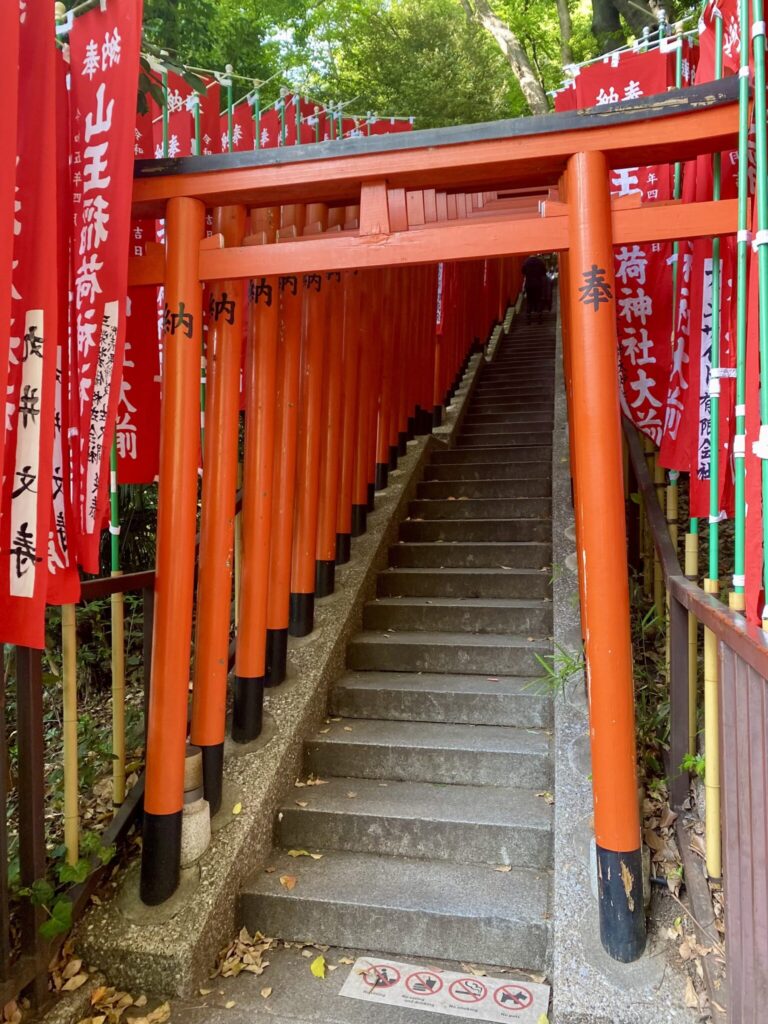
- Nezu Shrine (Bunkyo): One of Tokyo’s oldest shrines, with a tunnel of red torii gates that feels like a mini Fushimi Inari, without the crowds. Visit from mid-April to early May for the azalea festival.
Unique Shrines and Temples I’ve Visited
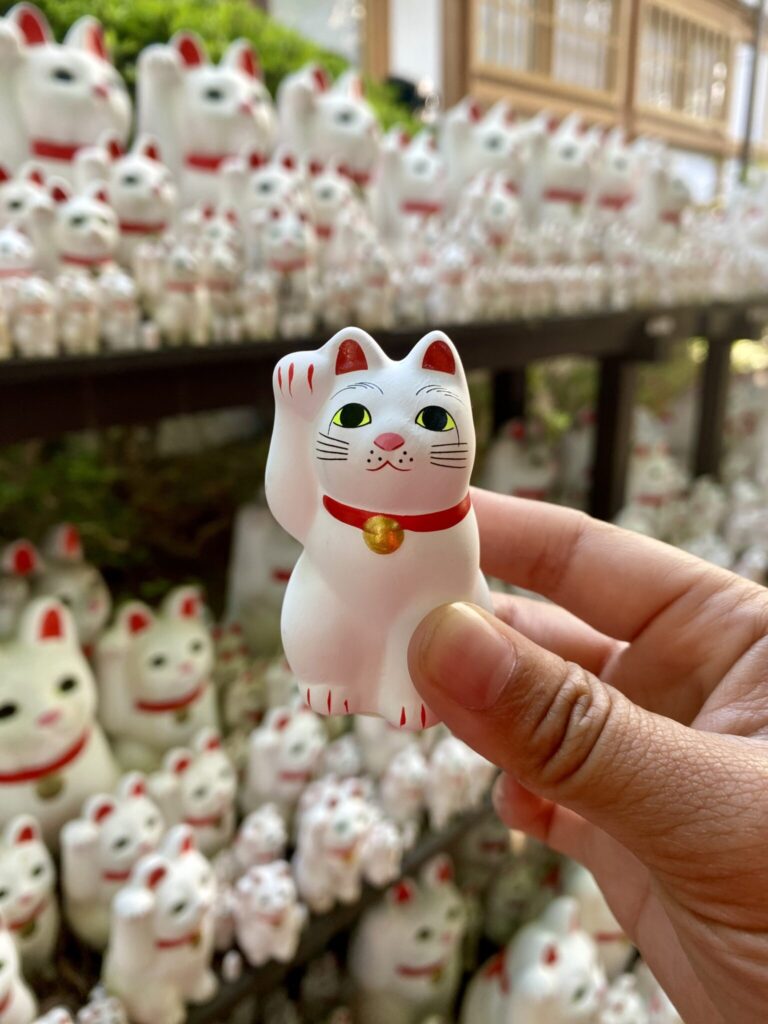
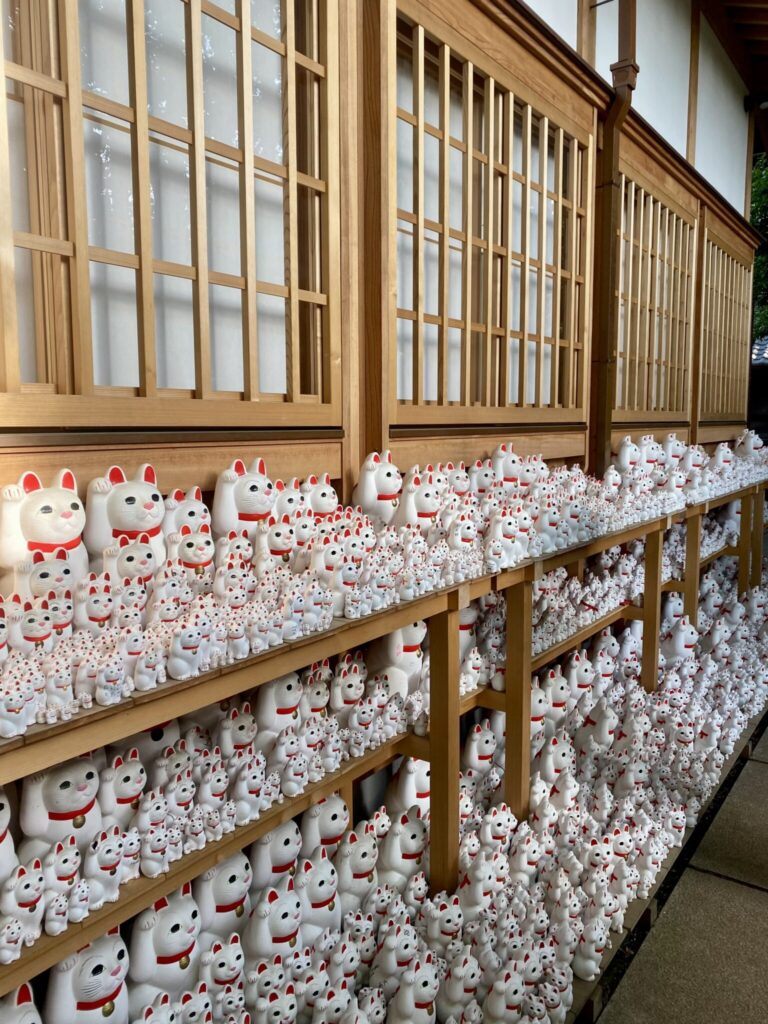
Gōtoku-ji Temple, aka the Cat Temple (Setagaya): Gōtoku-ji is said to be the birthplace of the maneki-neko, the lucky beckoning cat. Thousands of little white cat figurines line the grounds, left by visitors wishing for good fortune, and you can buy your own at the temple. It’s a short walk from Gōtokuji Station on the Odakyu Line.
Atago Shrine’s Stairs of Success (Minato): Atago Shrine sits on a hill in the middle of the city, and its 86 steep stone steps are known as the Stairs of Success (Shusse no Ishidan). Legend says a samurai rode his horse up these stairs to bring plum blossoms to the shogun and was rewarded for it, so climbing them is believed to bring success in your career. I like to visit for luck! Take your time though, they’re steeper than they look.
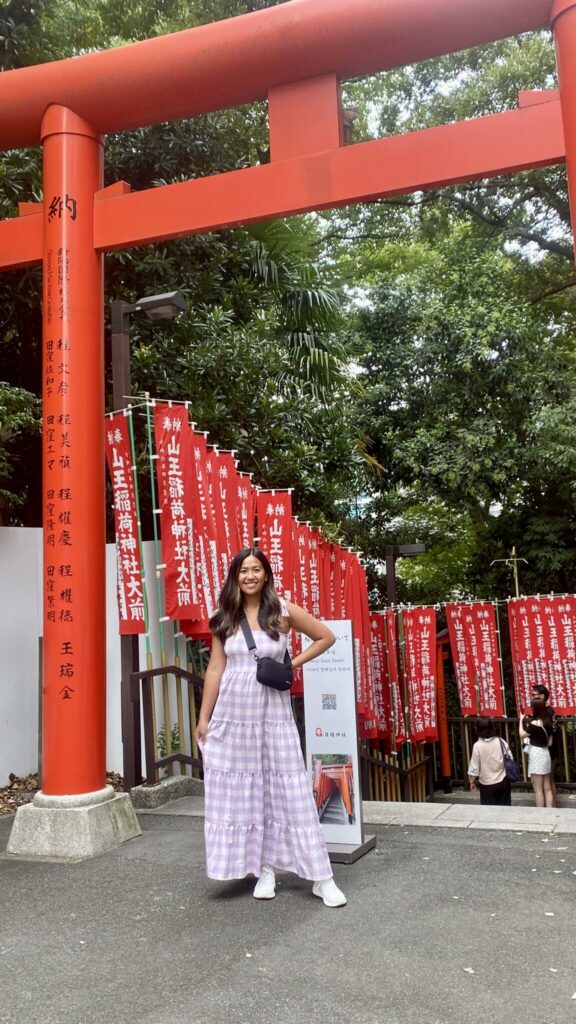
Also worth a visit: Zōjō-ji Temple, with rows of small Jizo statues and Tokyo Tower rising behind it; Hie Shrine in Akasaka, where a tunnel of red torii gates leads up the hillside to Sanno Inari Shrine (pictured below); and Kanda Myojin near Akihabara, a favorite with anime fans.
My tip: Pick up a goshuin-cho (stamp book) at your first shrine or temple and collect hand-written calligraphy stamps as you go. It makes the best souvenir! At shrines, bow twice, clap twice, and bow once more. At temples, bow and pray quietly, with no clapping.
Easy Day Trips from Tokyo
Tokyo is a great base for day trips, and some of Japan’s best scenery is just a train ride away:
- Hakone: Hot springs, the Lake Ashi sightseeing cruise, the Hakone Open-Air Museum, and (on a clear day) views of Mt. Fuji. The Odakyu Romancecar from Shinjuku gets you there in under 2 hours.
- Mt. Fuji & Lake Kawaguchiko: For those postcard views of Fuji, head to the Fuji Five Lakes area and visit the Chureito Pagoda. Direct buses from Shinjuku take about 2 hours, or join a day tour to make it easy.
- Kamakura: About an hour from Tokyo, this coastal town is home to the Great Buddha (Daibutsu), Hase-dera Temple, and the beach. Combine it with nearby Enoshima Island.
- Nikko: A UNESCO World Heritage Site with ornate shrines like Toshogu, waterfalls, and mountain scenery, about 2 hours from Tokyo.
- Yokohama: Just 30 minutes away, with Japan’s largest Chinatown, the Cup Noodles Museum, and a pretty waterfront.
Must-Book Tours and Food Experiences in Tokyo
Enhance your Tokyo adventure with these recommended tours. Food tours are one of the best ways to find the tiny local eateries you’d never discover on your own:
- Tokyo Private Food Tour w/ Context Travel: Delve into the city’s culinary scene with guided food tastings in local neighborhoods. 👉🏽 Book here for a guided tour! Use code FANCYNANCISTA for 15% off!
- Tokyo Shinjuku Food Tour – A great way to sample authentic Japanese dishes while learning about Tokyo’s food culture and hidden local spots. Book here!
- Tokyo Asakusa Food Tour – Perfect for experiencing Tokyo after dark while trying a variety of local specialties and izakaya-style cuisine. Book it here
- Shinjuku Food Tour (13 Dishes & 4 Eateries): A small-group evening tour through Shinjuku’s backstreets with a local guide, tasting 13 dishes at 4 local spots. Come hungry! 👉🏽 Book here
- Shinjuku Food Tour with Chopstick Making: Another fun way to eat your way through Shinjuku, plus you get to make your own chopsticks to take home. 👉🏽 Book here
- Sake Tasting in Shibuya with Snack Pairing: A great intro to Japanese sake, led by a local expert at a standing bar in Shibuya. You must be 20+ to join. 👉🏽 Book here
- Splurge Option: Unlimited Sake Tasting with Sushi Omakase: Want to treat yourself? This one pairs an omakase sushi experience with unlimited sake tasting near Tokyo Tower. 👉🏽 Book here
- Sushi Making Class – Learn how to make authentic sushi from a local chef and enjoy your creations afterward. This is a fun hands-on experience that’s perfect for food lovers – book here
- Sumo Wrestling Experience: Witness a traditional sumo match and learn about this ancient sport. 👉🏽 Book here for tickets!
- Samurai Museum Tour: Explore the history of Japan’s legendary warriors with interactive exhibits. 👉🏽 Book here!
My Top Tokyo Travel Tips
- Purchase a Suica or Pasmo Card: These rechargeable smart cards make traveling on public transport seamless.
- Stay Connected: Consider buying an eSIM for uninterrupted internet access during your stay.
- Cultural Etiquette: Familiarize yourself with local customs, such as removing shoes when entering homes and certain establishments.
- Cash is King: While credit cards are accepted in many places, carrying cash is advisable, especially in smaller establishments.
- Download Google Maps: It’s the best app for navigating Tokyo’s trains. It tells you which line, which platform, and even which station exit to take.
- Book Popular Spots in Advance: Shibuya Sky sunset slots, teamLab, and the Ghibli Museum can sell out, sometimes weeks ahead.
- No Tipping: Tipping isn’t part of the culture in Japan, and great service is just the norm.
- Carry a Small Trash Bag: Public trash cans are rare, so you’ll often hold on to your trash until you find a bin at a convenience store or station.
- Keep It Quiet on Trains: Avoid phone calls and loud conversations on public transport. And if you can, skip the morning rush hour (around 7:30 to 9:30 am).
- Konbini Food Is Legit: 7-Eleven, Lawson, and FamilyMart have amazing snacks and cheap meals. Try the egg sandwich and onigiri!
- Get Cash at 7-Eleven ATMs: They accept most foreign cards and you’ll find them everywhere.
- Use Luggage Forwarding: Changing hotels or heading to another city? Send your bags ahead with a takkyubin (luggage delivery) service so you can travel light.
- Solo Travel Friendly: Tokyo is a fantastic city for solo travelers. It’s safe, easy to navigate, and eating alone at a ramen counter is totally normal. Many train lines also have women-only cars during rush hour.
Tokyo Travel FAQs
Is Tokyo expensive to visit?
Tokyo can be as expensive or as affordable as you make it. Hotels are usually the biggest cost, but food can be surprisingly cheap: think ramen, conveyor-belt sushi, and konbini (convenience store) meals.
How many days do you need in Tokyo?
4 to 5 days is ideal for a first visit, or 3 days if Tokyo is part of a longer Japan trip. Add an extra day or two if you want to do day trips to places like Hakone or Mt. Fuji.
Is Tokyo safe for solo female travelers?
Yes! Tokyo is known as one of the safest big cities in the world, which makes it great for solo travel. Just use the same common sense you would anywhere, especially late at night in nightlife areas like Kabukicho.
Where should I stay in Tokyo for the first time?
Shinjuku or Shibuya are the easiest bases for first-timers, with great transport links, food, and nightlife. Asakusa is a quieter, more traditional option.
Do I need a JR Pass for Tokyo?
Not if you’re only staying in Tokyo. A Suica card or Tokyo Subway Ticket is much cheaper for getting around the city. The JR Pass is only worth it if you’re taking multiple long-distance bullet trains, like Tokyo to Kyoto and back.
Do I need cash in Tokyo?
Cards are widely accepted now, but some small restaurants, shrines, and temples are still cash-only. Carry some yen and top up at 7-Eleven ATMs.
By following this Tokyo Travel Guide, you’re well on your way to experiencing the best that Tokyo has to offer. And don’t forget to check out my 10-Day Japan Itinerary for Tokyo, Osaka, and Kyoto and watch my Tokyo Travel Guide YouTube video below! 🙂 Enjoy your trip!


