
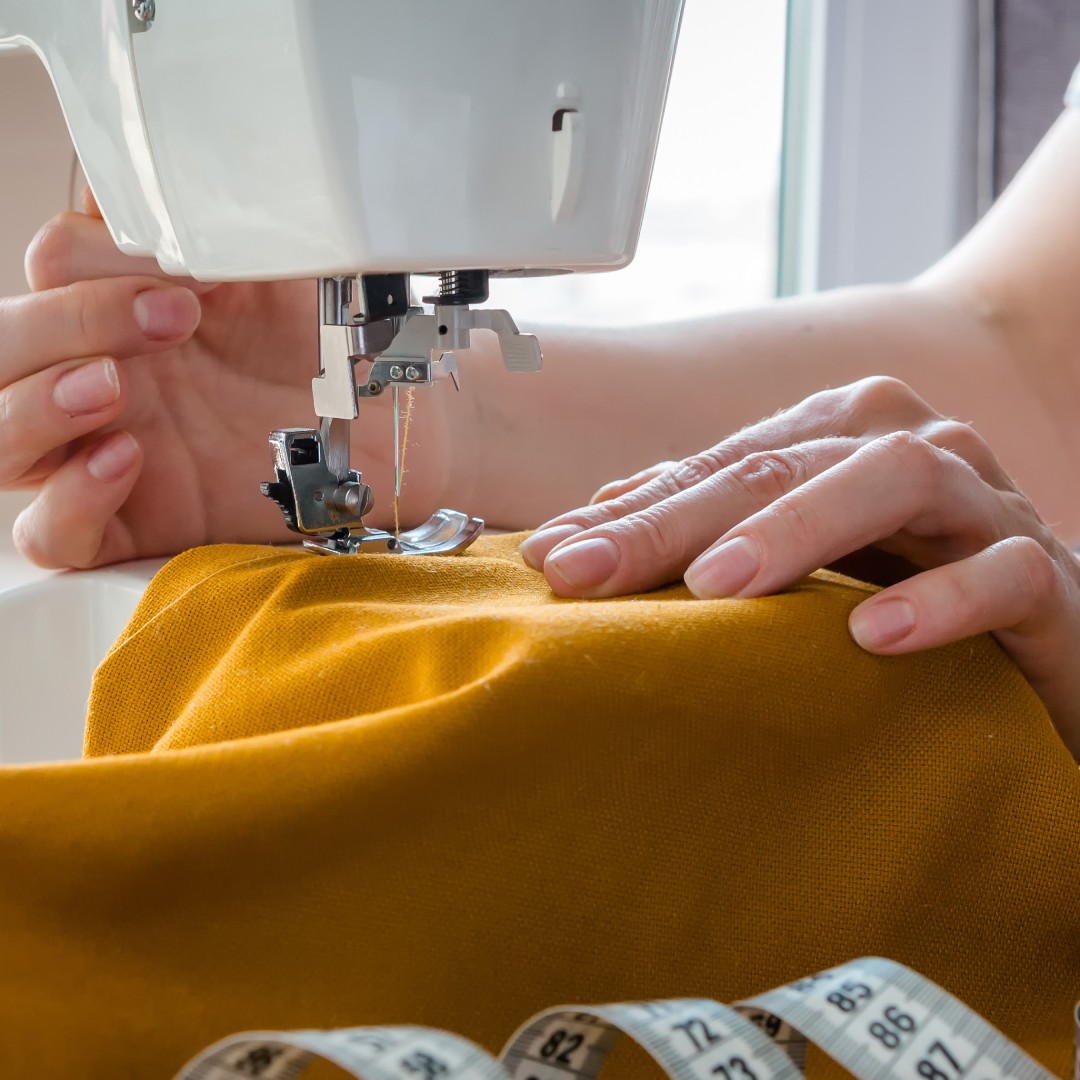
4 Helpful Ways To Improve Your Sewing Space
Creating a sewing area that feels inspiring and efficient can completely change how you approach your projects. Whether you sew daily or only on weekends, a well-designed space supports creativity and reduces frustration. These helpful ways to improve your sewing space will help you create a more functional, enjoyable environment without requiring a complete renovation.
Maximize Your Layout for Efficiency
Start by evaluating how you move through your sewing process. You likely rotate between cutting fabric, pressing seams, and stitching pieces together. Arrange your furniture to support that workflow. Place your cutting table near fabric storage, keep your ironing station within reach of your sewing machine, and ensure you have enough open surface area to manage larger projects.
Avoid pushing everything against the walls if it limits movement. If space allows, position your worktable in the center of the room so you can walk around it. Keep pathways clear and minimize clutter so you can transition between tasks without interruption. A thoughtful layout reduces wasted time and keeps you focused on creating rather than searching for tools.
Improve Lighting for Precision
Good lighting directly affects the quality of your work. Dim or uneven lighting can strain your eyes and cause mistakes in measuring or stitching. Place your sewing machine near natural light when possible, but do not rely on it alone. Supplement daylight with bright, neutral-toned task lighting that illuminates your workspace clearly.
Install adjustable lamps that let you direct light exactly where you need it. Under-shelf lighting can brighten cutting surfaces, while a focused lamp near your needle area helps with detailed stitching. Proper lighting improves accuracy and makes your space feel more open and inviting.
Create Smart Storage Solutions
An organized sewing space supports creativity. When tools and materials sit in predictable places, you spend less time digging through drawers and more time working on projects. Use clear containers for thread, bobbins, and notions so you can quickly see what you have. Label shelves and bins to maintain order over time.
Vertical storage works especially well in smaller rooms. Wall-mounted shelves, pegboards, and hanging organizers free up table space while keeping essentials within reach. Store frequently used items close to your main workstation and place seasonal or specialty materials higher or farther away. When every item has a designated home, cleanup becomes easier and your workspace stays tidy.
Prioritize Comfort and Ergonomics
Long sewing sessions can strain your neck, shoulders, and back if your setup does not support proper posture. Invest in a comfortable chair with adjustable height and good lumbar support. Position your sewing machine so your elbows rest at a natural angle and your shoulders stay relaxed. This creates a more ergonomic sewing setup that protects your body during extended projects.
Keep foot pedals aligned with your chair and avoid stretching to reach tools. Use anti-fatigue mats if you stand frequently while cutting or pressing. By designing your space around comfort, you reduce physical stress and maintain energy for creativity.
Refreshing your workspace does not require a major overhaul. By adjusting your layout, upgrading lighting, organizing storage, and improving comfort, you can transform how you sew each day. These helpful ways to improve your sewing space will ensure you create a room that supports both productivity and inspiration.
Image Credit: shintartanya, #431486489