
Why Texture and Pattern Matter in Interior Design

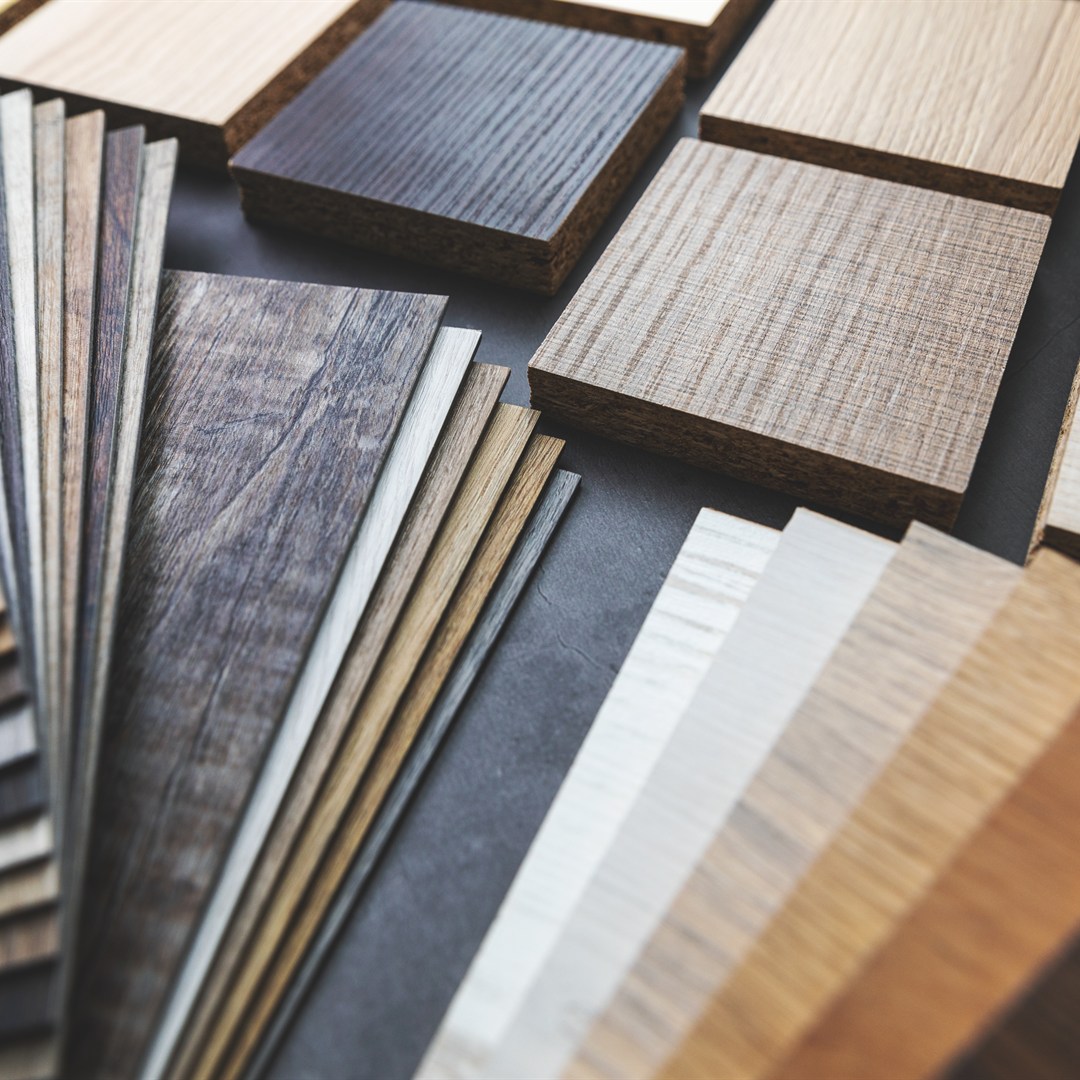
A room can have an attractive color palette, comfortable furniture, and plenty of natural light yet still feel unfinished. Often, the missing ingredients are the subtle variations that give surfaces character and encourage the eye to move around a space. Texture and pattern introduce those variations without requiring homeowners to fill every corner with decorative objects.
Understanding why texture and pattern matter in interior design helps homeowners make more intentional decisions about everything from upholstery to architectural finishes. These elements influence how a room looks, feels, and functions, making them valuable tools for creating spaces that are both practical and visually engaging.
Creating Depth Beyond Color
Color establishes much of a room’s visual identity, but texture determines how that color interacts with its surroundings. A cream linen sofa, a glossy ceramic vase, and a painted cream wall may share a similar shade, yet each surface responds differently to light. Those differences prevent a monochromatic room from appearing flat or repetitive.
Homeowners can introduce depth by combining materials with contrasting finishes. A smooth wooden coffee table might sit beside a woven rug, while soft curtains can balance the harder surfaces of metal fixtures. These combinations create visual separation between objects without requiring dramatic changes in color. Even a restrained palette can feel layered when the materials within it offer enough variation.
Establishing a Comfortable Atmosphere
The physical qualities of materials influence how people experience their surroundings. Plush fabrics, soft carpeting, and knitted accessories can make a living room feel inviting, while polished stone and sleek metal often contribute to a more refined appearance. Neither approach is inherently better; the appropriate combination depends on the purpose of the room.
Bedrooms, for example, benefit from materials that encourage relaxation and feel pleasant against the skin. A dining area may call for surfaces that are easier to clean and maintain. By considering the sensory experience alongside appearance, homeowners can select textures that support everyday activities rather than choosing finishes solely because they look appealing in photographs.
Giving Each Room a Visual Focal Point
Pattern can direct attention toward a particular area and establish a sense of hierarchy. A patterned headboard might draw the eye toward the bed, while a distinctive rug can define a seating arrangement in an open living area. Establishing a focal point makes it easier to organize the remaining furnishings around a central feature.
Permanent finishes can serve this purpose as effectively as movable accessories. When choosing cement tile patterns, homeowners should consider the size of the surface, the surrounding colors, and the amount of visual activity already present. A decorative backsplash or fireplace surround can provide a striking accent without overwhelming the rest of the room. Keeping nearby surfaces relatively understated allows the selected feature to receive the attention it deserves.
Balancing Different Pattern Scales
Combining multiple patterns can make an interior feel expressive, but patterns that compete for attention can also create visual confusion. Scale plays an important role in preventing that problem. A large floral print, a narrow stripe, and a small geometric motif can coexist because each contributes a different rhythm to the overall composition.
Shared colors help establish a relationship between otherwise distinct designs. For instance, curtains with a broad botanical print might complement striped cushions if both contain similar shades of green. Introducing solid fabrics between patterned pieces also gives the eye somewhere to rest. The goal is not to match every design perfectly but to establish enough consistency that the individual elements feel connected.
Influencing the Perception of Space
Patterns and textures can change how people perceive a room’s proportions. Vertical lines may emphasize ceiling height, while horizontal designs can draw attention across the width of a wall. Large, uninterrupted surfaces tend to emphasize openness, whereas smaller repeating motifs can create a more intimate impression.
Texture also affects the distribution of light. Reflective finishes can brighten certain areas by bouncing light around, while matte or heavily textured materials scatter light and produce a softer appearance. Homeowners should examine samples under the actual lighting conditions of their rooms before committing to a finish. A material that looks subtle in a showroom may appear much more pronounced when sunlight strikes it from an angle.
Connecting Spaces Throughout the Home
A cohesive interior does not require every room to feature identical furnishings or finishes. Repeating certain textures and patterns in different ways can establish continuity while allowing each space to maintain its own identity. Natural wood might appear in kitchen shelving, living room furniture, and bedroom accessories, for example.
Patterns can create similar connections through recurring shapes or motifs. A geometric design in an entryway might echo the angular forms of a dining room light fixture or the stitching on an upholstered chair. These relationships help rooms feel like parts of the same home rather than unrelated decorating projects. Repetition is especially useful in open floor plans, where multiple functional areas remain visible at once.
Considering Maintenance and Everyday Use
A beautiful material can become frustrating if it does not suit the demands of a household. Deeply textured surfaces may collect dust, while delicate woven fabrics can snag or stain. Smooth finishes are sometimes easier to wipe down, although glossy surfaces may reveal fingerprints and scratches more readily.
Patterned materials can help disguise minor visual imperfections, particularly in areas that experience frequent use. However, pattern is not a substitute for durability or proper maintenance. Families with children or pets should evaluate cleaning requirements, material strength, and replacement costs before investing in decorative finishes. Selecting materials that accommodate existing routines makes it easier to preserve the intended appearance over time without creating unnecessary household chores.
Developing a Personal Design Style
Texture and pattern provide opportunities to incorporate personal interests without relying entirely on popular decorating trends. A handmade textile, a collection of woven baskets, or a vintage patterned chair can introduce character that reflects a homeowner’s experiences and preferences. These details often make a space feel more individual than a room furnished exclusively with matching collections.
Recognizing why texture and pattern matter in interior design also encourages homeowners to approach decorating as an ongoing process. Rather than replacing every furnishing at once, they can experiment with smaller additions and observe how those changes affect the room. Thoughtful combinations of tactile materials, repeating motifs, and understated surfaces can produce a home that feels balanced, comfortable, and distinctive. The most successful interiors use these elements to support the way people live while leaving room for their tastes to evolve.
Image Credentials: 313220846 by ronstik